
Great Lakes Shipping Companies: Who Moves Cargo on the Lakes
Who the Great Lakes shipping companies are, what lakers carry, how the Soo Locks and the nine-month season shape operations, and what the jobs are like.
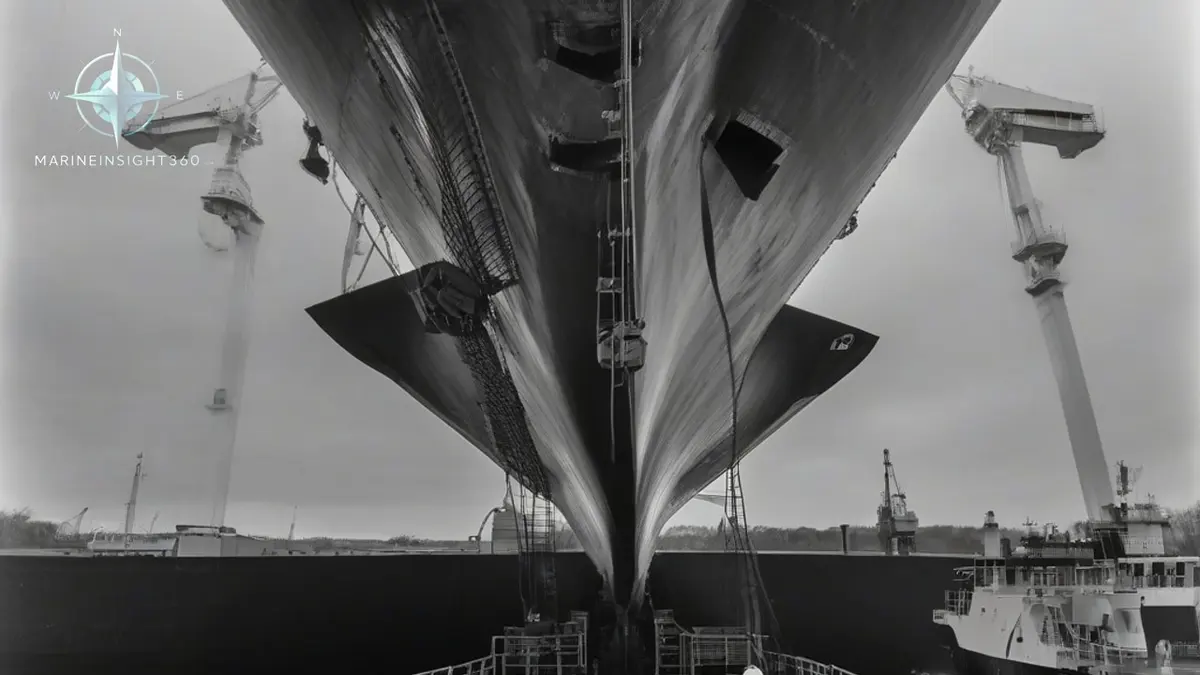
Great Lakes shipping companies operate the specialized bulk fleet that moves cargo between US and Canadian lake ports. The trades are iron ore, limestone, coal, cement, salt, sand and grain. The US-flag side is represented by the Lake Carriers' Association, which has spoken for the fleet since 1880. Its members report moving more than 90 million tons of cargo a year. The main US operators are Interlake Maritime Services, Great Lakes Fleet, American Steamship and Lower Lakes Towing.
On the Canadian side, Canada Steamship Lines and Algoma Central carry the bulk of the work.
The main operators
Interlake Steamship Company, headquartered in Middleburg Heights, Ohio, is the largest privately held US-flag fleet on the Lakes, with nine vessels carrying dry bulk cargoes and a history going back more than a century. It was formed in 1913 when a group of firms bought the seventeen vessels of the Gilchrist Company out of receivership. In December 2020 the group created Interlake Maritime Services after acquiring the assets of Pere Marquette Shipping and Lake Michigan Car Ferry.
Interlake has also ordered a new self-unloading bulk carrier, which will be the first US-flagged Great Lakes bulk carrier built in the United States in more than 35 years. That single fact tells you most of what you need to know about fleet age on the Lakes: many hulls in service were built in the 1970s and early 1980s and have been repowered and rebuilt rather than replaced.
Why lakers look the way they do
Lakers are shaped by the locks, not by the open water. Length, beam and draught are all constrained by lock chamber dimensions and channel depth, so designers push cargo capacity to the very limit of those boxes. The result is a long, low, slab-sided hull with the accommodation and bridge often placed forward, which is unusual for a bulk carrier.
Most are self-unloaders. A tunnel of belts under the cargo holds feeds an inclined conveyor to a deck boom that can swing over the side and discharge onto a dock with no shore equipment at all. That capability is why lake ports can be small, cheap and numerous. Turnaround is measured in hours rather than days.
The Soo Locks and the season
The Soo Locks at Sault Ste. Marie connect Lake Superior to the lower lakes and are the choke point for the entire system. Roughly 7,000 vessels transit each year carrying an estimated 86 million tons of cargo. The locks operate a nine-month season running from March through January, with a winter closure for maintenance.
That seasonal shape drives everything commercially. Iron ore and stone stockpiles are built ahead of the closure, crews work an intense nine-month schedule and then lay up, and any lock outage during the season has immediate consequences for steel production. The lack of redundancy at the Soo has been the industry's central infrastructure argument for years, and a second large lock has been pursued for exactly that reason.
US flag, Canadian flag and cabotage
Domestic waterborne trade between US ports is reserved under the Jones Act for vessels that are US-built, US-flagged, US-owned and crewed by US citizens or permanent residents. Canada has its own coasting trade rules. The practical effect on the Lakes is a clear split: US-flag operators carry US domestic cargo, Canadian operators carry Canadian domestic cargo, and cross-border and overseas moves through the St Lawrence Seaway involve different tonnage again.
Ocean-going ships that enter the system through the Seaway are called salties. They are limited by the Seaway lock dimensions to roughly handysize capacity, which is why the Lakes never developed around large ocean bulk carriers.
Working for a Great Lakes operator
The jobs differ from deep-sea work in ways that appeal to some mariners and not others. Rotations are seasonal rather than year-round, so a full career pattern involves working the season hard and taking the winter off or ashore. Watch-standing is intensive because passages are short, traffic is constant and there is almost always a lock, a river stretch or a confined channel coming up.
Credentialing follows the US Coast Guard system for US-flag vessels, with Great Lakes and inland endorsements alongside the usual Merchant Mariner Credential structure. Pilotage and local knowledge carry real weight, and many officers spend their whole career in the same trade.
What to watch
Three things shape the sector's next decade: the age of the fleet and whether newbuilding continues beyond the current orders, lock capacity at the Soo, and the direction of North American steel and construction demand, since ore and stone dominate the cargo mix. Ice conditions and icebreaker availability at the season margins remain the operational wildcard every year.
For related material on cargo handling and port operations, see the Ports and Shipboard Operations sections of the Knowledge Base.
The system's single point of failure is the Poe Lock at Sault Ste. Marie, the only chamber able to take the 1,000 foot lakers that carry most of the iron ore. Federal risk studies have repeatedly warned that an extended Poe outage would idle that tonnage and stall steel production downstream, which is the argument that finally funded a second large lock.
Age shows up as maintenance, not as headlines. Hulls built in the 1970s carry decades of ballast tank corrosion and coating breakdown, and winter lay-up is when steel renewal, cracked structure and worn self-unloading conveyor gear get dealt with. At the season margins ships get beset in ice, and a besetting that damages plating or a rudder can cost a vessel weeks of a nine-month earning window.
Sources and further reading
- U.S.-Flag Great Lakes Fleet - Lake Carriers' Association
- Soo Locks - Lake Carriers' Association
- Interlake Steamship Orders New Laker - gCaptain
- Interlake Steamship Company
What to read next
Recommended Reading

What Are Shipping Manifests? The Ship's Master Cargo Record
What shipping manifests are, what they list, how they differ from bills of lading, and the advance filing rules such as the US 24-hour rule and EU ENS.
What Is CDC in Shipping? Certain Dangerous Cargo Explained
CDC in shipping means Certain Dangerous Cargo under US Coast Guard rules. What is on the list, the notice of arrival duties, and how it changes a port call.
How Red Sea Cargo Diversions Squeeze the Holiday Shipping Season
Red Sea cargo diversions add 10 to 14 days to Asia-Europe voyages. How the Cape reroute reshapes peak season capacity, cost and shipboard operations.