
Hawaii's Ports Prepare for Tropical Storm Lala
Find out how Hawaii’s major ports are preparing for Tropical Storm Lala, the impact on vessels, and key steps for crews and operators to stay safe and compliant
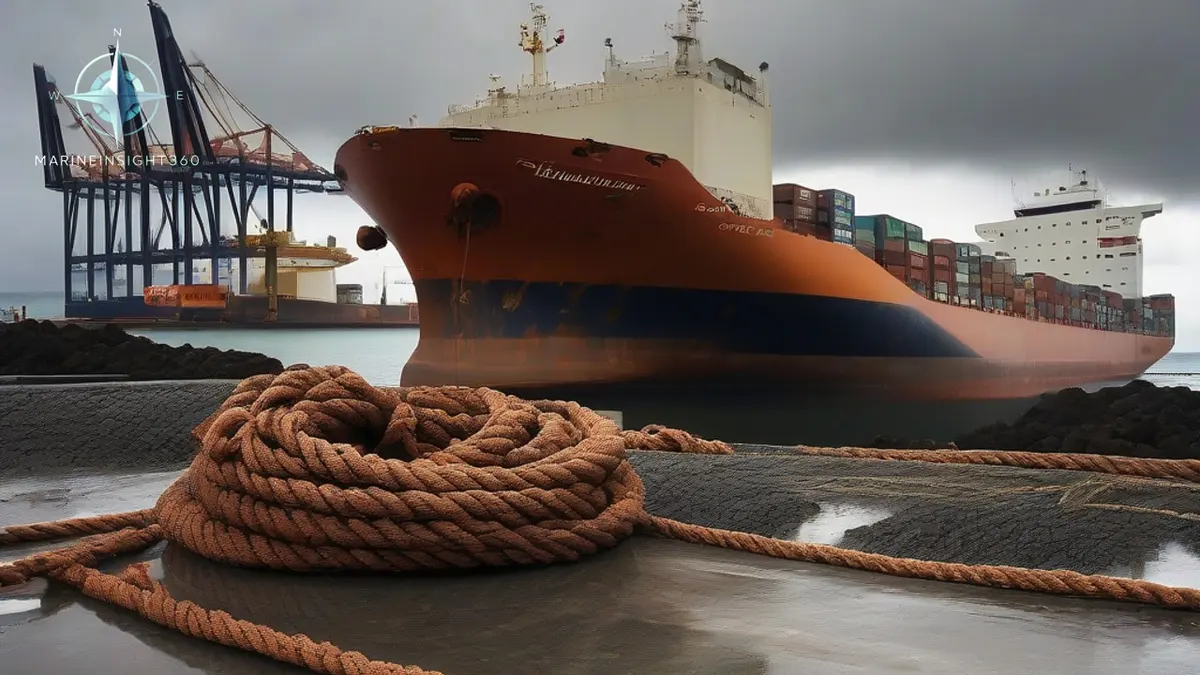
Hawaii’s Ports Activate Storm‑Response Plans for Tropical Storm Lala
Port authorities in Honolulu, Kahului and Hilo have opened their Emergency Operations Centers (EOC) and begun a pre‑storm checklist that includes securing moorings, reinforcing berth fenders, and pre‑positioning generators. These actions align with U.S. Coast Guard (USCG) storm‑response guidelines and aim to keep cargo, crews and equipment safe as Lala approaches.
Specific Measures at Honolulu, Kahului and Hilo
According to the latest bulletin, each port has taken the following steps:
- Activation of the Port EOC to centralise communication with vessels, carriers and local agencies.
- Inspection and reinforcement of berth fenders, gangways and crane foundations to resist high winds and wave impact.
- Pre‑positioning of emergency generators and fuel reserves to maintain critical power for cargo handling equipment.
- Issuing a weather‑related notice to mariners (NRM) that outlines expected wind speeds, sea state and recommended speed reductions for inbound and outbound ships.
- Coordinating with the USCG Pacific Area Command to monitor real‑time storm trajectory and issue safety advisories.
[verify: exact list of actions announced by each Hawaiian port authority]
How the Preparations Fit USCG Storm‑Response Guidelines
The USCG requires all U.S. ports to maintain a written storm‑response plan that addresses:
- Risk assessment of wind, surge and rainfall thresholds that trigger specific operational changes.
- Roles and responsibilities of port personnel, emergency services and maritime traffic controllers.
- Procedures for securing hazardous materials, including oil, chemicals and refrigerated cargo.
- Communication protocols for disseminating real‑time updates to ship masters, pilots and agents.
Hawaii’s ports are aligning their current actions with these standards, ensuring that any deviation from normal operations is documented and communicated promptly. This alignment reduces the likelihood of mis‑communication that could endanger crew safety or cargo integrity. [verify: confirmation that Hawaiian ports are following USCG storm‑response guidelines]
Operational Impact for Vessels, Crews and Cargo Owners
Ships scheduled to berth at Honolulu, Kahului or Hilo within the next 48 hours may face:
- Mandatory speed reductions of up to 10 knots to maintain safe maneuvering distances in deteriorating sea conditions.
- Potential hold‑overs in anchorage areas if berth availability is limited due to pre‑storm securing activities.
- Re‑routing of cargo to alternative U.S. West Coast terminals if the storm forces a temporary port closure.
- Extended lay‑time calculations for charter parties, which may trigger demurrage clauses depending on the contract language.
Crews should verify the latest NRM, confirm berth assignments with the port agent and ensure that all safety equipment—such as liferafts, personal flotation devices and emergency radios—is serviceable before departure. [verify: specific speed reduction orders and lay‑time implications for vessels]
Key Decision Criteria for Ship Operators
When deciding whether to proceed to a Hawaiian port during Tropical Storm Lala, operators should weigh:
- Storm intensity forecast: If projected sustained winds exceed 50 knots (58 mph), many carriers opt to delay arrival.
- Cargo sensitivity: Perishable or hazardous cargo may require a secure berth; otherwise, diversion to a safer hub could be justified.
- Contractual obligations: Review charter party clauses on force majeure and weather‑related delays to assess financial exposure.
- Crew welfare: Prolonged exposure to rough seas increases fatigue; consider crew rest periods and medical support availability on shore.
Making an informed choice early can prevent costly re‑positioning and protect crew safety.
Common Pitfalls and How to Avoid Them
Operators and port users often stumble over the following issues during tropical storms:
- Late receipt of weather notices: Subscribe to the USCG’s Marine Information Broadcast System (MIBS) for real‑time alerts.
- Assuming all berths remain open: Verify berth status directly with the port’s EOC; some piers may be closed for pre‑emptive securing.
- Under‑estimating cargo securing time: Allocate additional handling windows for hazardous or oversized loads that require extra lashings.
- Neglecting post‑storm inspections: Schedule a post‑event survey of cargo integrity and equipment condition before resuming normal operations.
[verify: typical timing of weather notices and post‑storm inspection procedures]
Lessons for Other Ports Facing Tropical Threats
Ports in the Caribbean, Southeast Asia and the Pacific can learn from Hawaii’s proactive stance:
- Maintain an up‑to‑date digital storm‑response plan accessible to all stakeholders.
- Conduct quarterly drills that simulate high‑wind and high‑surge scenarios.
- Integrate real‑time meteorological data feeds into the port’s traffic management system.
- Establish pre‑agreed diversion agreements with nearby ports to minimise cargo disruption.
Next Steps for Seafarers and Shipping Professionals
Stay informed through the Marine Insight 360 Knowledge Base for the latest USCG storm‑response guidelines and download the “Port Contingency Planning Checklist” template. Ship masters should also confirm their vessel’s compliance with the STCW (the international convention setting minimum training standards for seafarers) emergency procedures before entering Hawaiian waters.
Why This Matters
Effective preparation reduces the risk of cargo loss, equipment damage and crew injury, safeguarding the supply chain that relies on Hawaii’s strategic Pacific gateways.
For related equipment checks and troubleshooting guides, continue with the marine machinery knowledge base.
Recommended Reading
Measures Prepare for Tropical Revolving Storm (TRS)
Measures Prepare for Tropical Revolving Storm (TRS): technology, equipment and fleet context for US, UK, Canada, Australia, Singapore and European...
Maritime Cybersecurity in 2026: Why Every Ship and Port Must Prepare
Practical measures for ships and companies A robust maritime cybersecurity programme does not have to start with costly hardware.
What are Freeing Ports On Ships?
What are Freeing Ports On Ships?: ports, trade and shipping-market context for US, UK, Canada, Australia, Singapore and European maritime readers.