
The Dali: The Ship That Brought Down Baltimore's Key Bridge
What the container ship Dali is, how a loose signal wire blacked her out into Baltimore's Key Bridge, what the NTSB found, and where the case stands now.
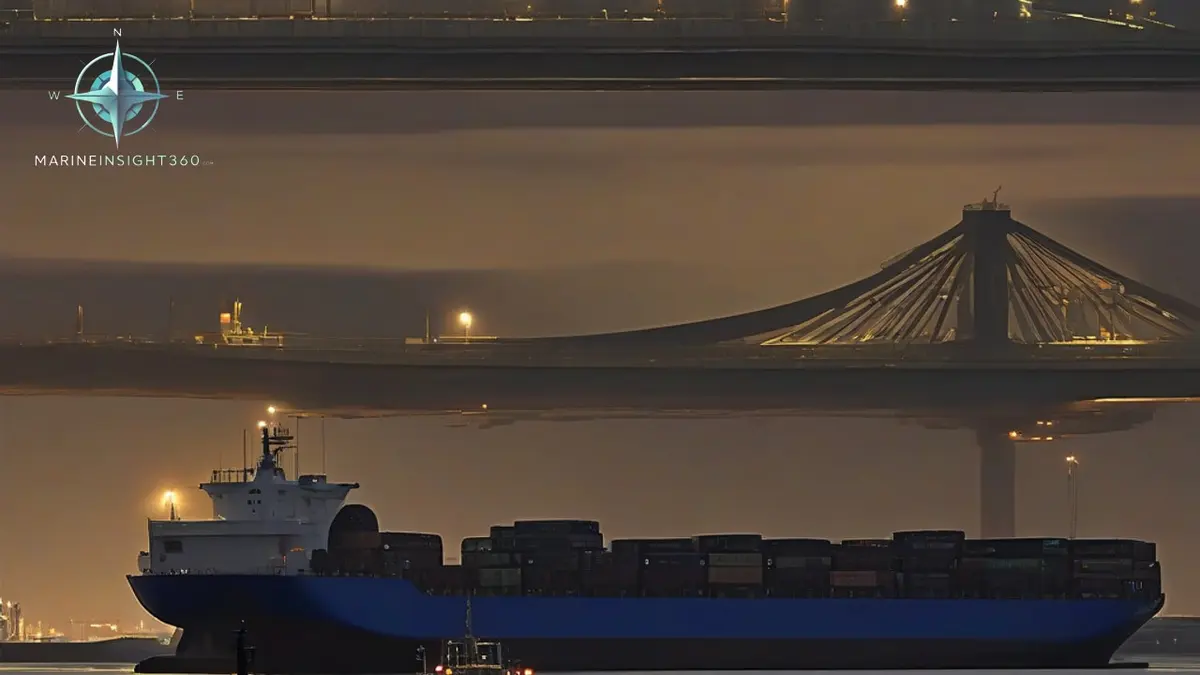
The Dali ship is a Singapore-flagged container vessel. She lost electrical power on March 26, 2024 and struck Baltimore's Francis Scott Key Bridge. The span collapsed into the Patapsco River, and six road workers were killed. Investigators later traced the blackout to a single loose signal wire in the ship's electrical system.
Few merchant ships have ever had this much consequence attached to one failure. The collision closed one of America's busiest ports and took down a piece of interstate highway. A routine departure became a case study, now taught in bridge engineering and marine electrical practice alike.
The Ship Herself
Dali is a large neo-panamax container vessel, roughly 300 meters (984 ft) long. She was built in 2015. At the time of the accident she was operated under charter to a major container line. Ships of her class carry on the order of ten thousand twenty-foot containers, stacked above and below deck. Such ships depart port under a harbor pilot's direction, exactly as Dali did that night.
Nothing about the ship was exotic. That is the uncomfortable part of the story. The failure chain ran through ordinary equipment found on thousands of vessels.
What Happened on March 26, 2024
Minutes after leaving her berth, Dali suffered a complete electrical blackout. She was approaching the bridge in the small hours. With no power there was no propulsion and no steering, so the ship drifted into one of the bridge's main support piers. The continuous truss span above failed, dropping a construction crew that was repairing the road deck overnight. Six workers died.
The ship's crew and pilots issued a mayday in time for police to stop most traffic from entering the bridge. That action is credited with preventing a far higher toll.
What the NTSB Found
After a 20-month investigation, the National Transportation Safety Board's final report identified the probable cause. It was a loose signal wire connection at a terminal block, the result of improper wire-label banding during installation. The label banding prevented the connector from seating fully, and the connection worked loose. The resulting cascade cut power, propulsion and steering at the worst possible position in the channel.
The board also named a contributing factor on the shore side. The bridge lacked the countermeasures that would have reduced its vulnerability to a strike by a modern ocean-going ship. Engineering guidance had recommended those protections for decades. The NTSB did not find the crew or the vessel's manager among the causes, and it called the collapse preventable.
Where the Case Stands Now
- The bridge: Maryland's replacement project has grown to an estimated 4.3 to 5.2 billion dollars. Completion is now projected for late 2030.
- The port: the shipping channel reopened after a massive wreck-clearance operation, and Baltimore's container traffic resumed within months of the collapse.
- The law: in May 2026 the US Justice Department announced criminal charges. Two companies connected to the ship were charged, along with the vessel's technical superintendent.
- The lesson: classification societies and operators worldwide re-examined electrical terminal work in the accident's wake. Blackout recovery drills and bridge-protection standards were reviewed as well.
Why One Wire Could Do All This
A modern merchant ship is a floating electrical grid. Everything that steers or propels her depends on that grid staying alive. Redundancy exists, but it must switch in fast enough to matter. A ship a few hundred meters from a bridge pier has seconds, not minutes. The Dali ship case is now the standard illustration of two old truths.
Small installation defects can carry catastrophic consequences, and infrastructure built for the ships of 1977 needs re-evaluation in the era of 300-meter vessels.
The economics compounded the engineering. The port closure interrupted car imports, coal exports and container flows across the US East Coast. Salvage crews meanwhile cut the fallen truss off the ship's bow. The insurance claims that followed rank among the largest in marine history. Limitation-of-liability proceedings, the centuries-old mechanism that caps a shipowner's exposure, met their most public test in decades. For the families of the six workers, the numbers never captured the loss.
The same was true for a city that used the bridge daily. The case reshaped how American ports think about the ships passing their bridges.
What to do next
The systems at the heart of this story have their own guides:
Recommended Reading
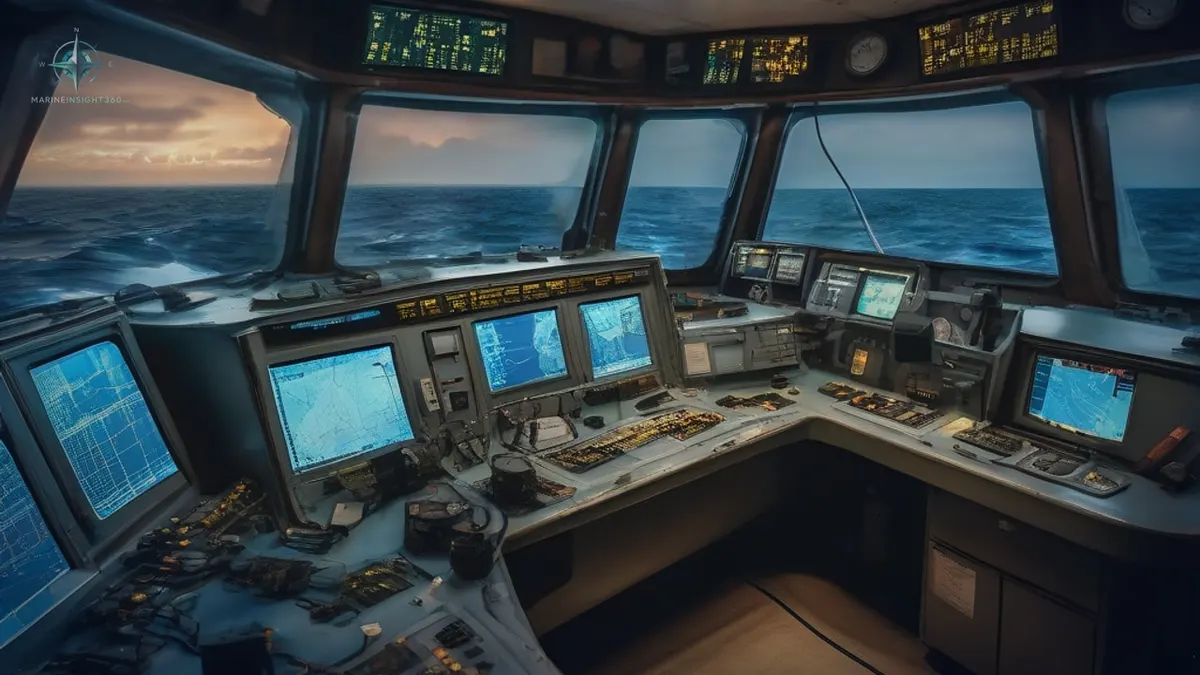
Ship Navigation Equipment: The 30 Systems on a Modern Bridge
The ship navigation equipment a modern bridge carries, grouped by job: position fixing, collision avoidance, charts, communications, safety recorders and more.
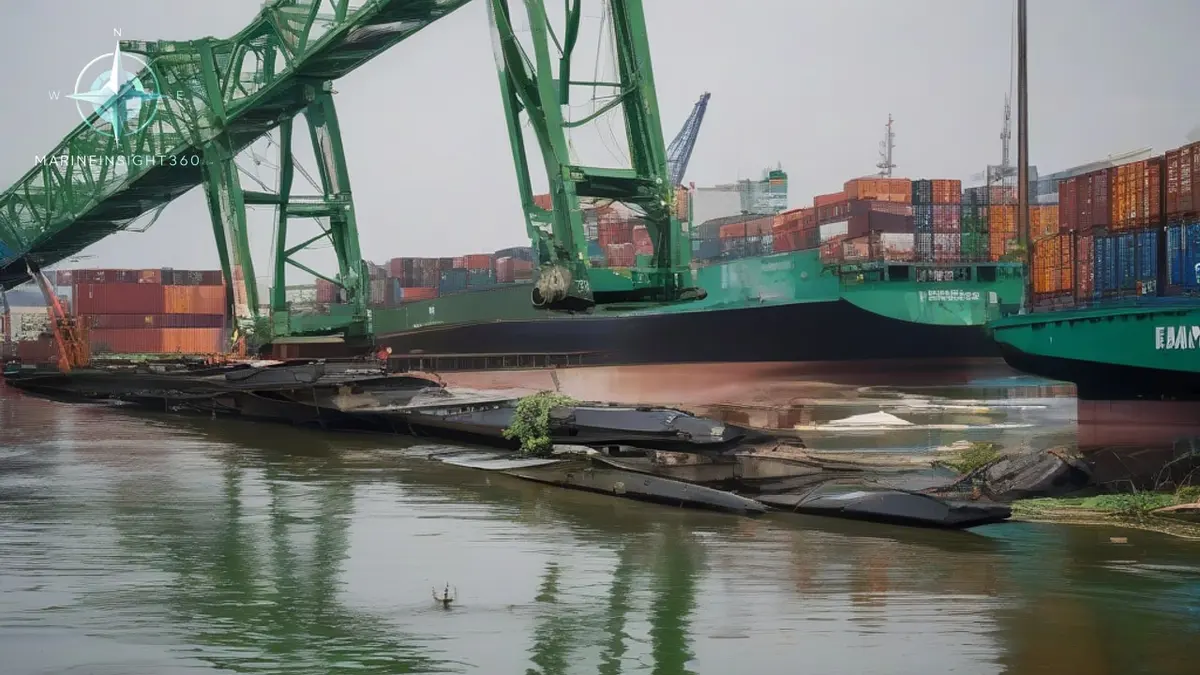
How Baltimore Bridge Collapse?
A cargo ship collided with Baltimore's Francis Scott Key Bridge, causing the bridge to collapse and possibly killing six construction workers. Officials…
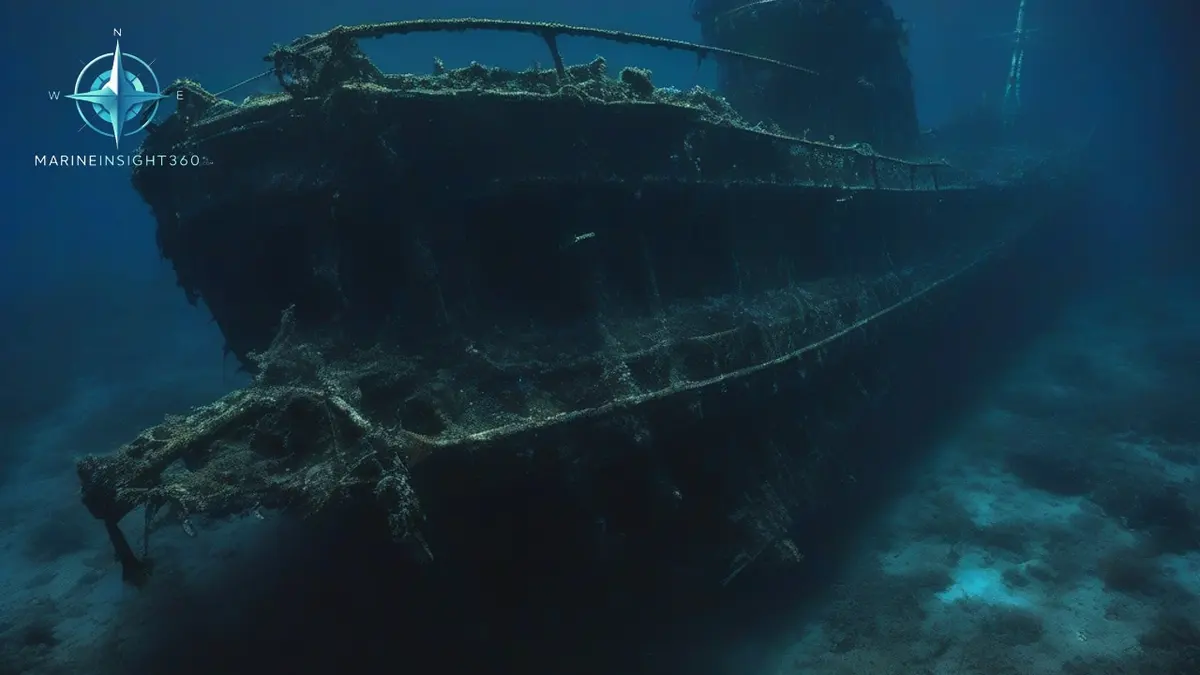
HMS Hood: The Mighty Hood, Her Three Minutes, and the Wreck Two Miles Down
HMS Hood was the Royal Navy's pride for twenty years, lost to Bismarck in minutes in 1941 with 1,415 men. Her story, the battle, and the wreck found in 2001.