
How Are Electronic Charts Updated? ENC Corrections on ECDIS
Electronic charts are updated by weekly ENC correction files from hydrographic offices, applied in ECDIS. How the cycle works and where updates fail.
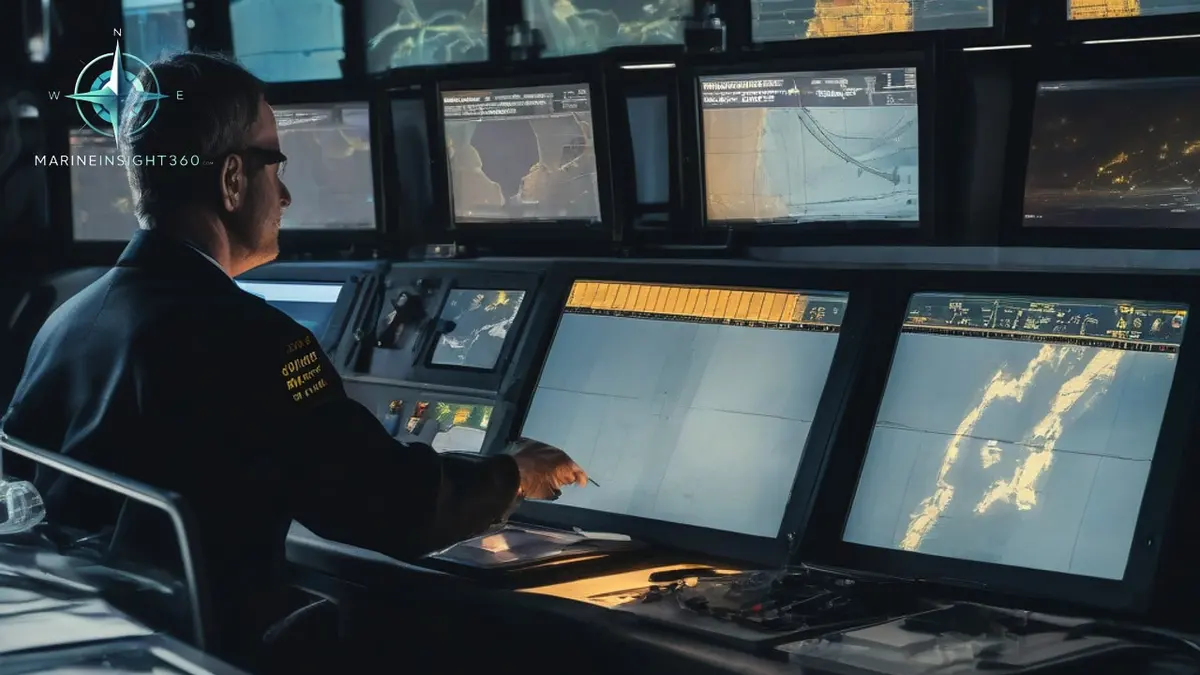
How are electronic charts updated? By weekly correction files from hydrographic offices such as the UKHO and NOAA. The navigating officer imports them into the ECDIS. Each ENC cell ships as a base file, and every later correction arrives as a sequentially numbered update file applied on top of it. When a cell changes too much for incremental correction, the office issues a new edition or re-issue that replaces the base data entirely.
Ships receive these by email, web download, satellite delivery or physical media. USCG and MCA port state control officers open the ECDIS update log first.
The obligation behind this sits in SOLAS Chapter V, which requires nautical charts and publications to be adequate and up to date for the intended voyage. Port state control officers check the update status on the ECDIS itself, so the evidence has to be in the system and in the record, not in an inbox.
The weekly update cycle, step by step
- Hydrographic offices collect source data from surveys, port authorities, wreck reports and navigational warnings, and compile it into ENC updates.
- Updates are validated and distributed through the regional ENC coordinating centers, which pool national data into consistent services.
- Chart service providers such as the Admiralty Vector Chart Service package the updates into exchange sets and issue them weekly to subscribers.
- The ship receives the exchange set and imports it into ECDIS, where the system applies each update file to the matching cell in order.
- The officer verifies the result against the ENC status or chart catalogue report, confirming that every cell in the folio now carries the latest edition and update number.
ENCs are supplied in the S-57 data format and delivered under S-63 encryption, which is why cells only open on a system holding a valid permit tied to that specific ECDIS unit. The IHO is progressively introducing the S-100 framework as the successor data standard, and fleets are planning software and licensing upgrades around it.
Permits, licenses and the failure they cause
Access to an ENC cell depends on two things: a valid cell permit and a live subscription period. Permits are issued against the ECDIS user permit, which is unique to the hardware, so a replaced ECDIS unit needs a fresh permit file before any chart will open. Expiry is the routine failure.
A cell whose license has lapsed may still display the last data held, and an officer who does not check the status report can sail on a chart that stopped receiving corrections weeks ago.
On a two-ECDIS installation, both units must be updated. Applying the exchange set to the primary and forgetting the backup is one of the most common deficiencies raised during inspections.
What the weekly ENC updates do not cover
Three categories of information sit outside the routine cell updates and must be handled separately.
- Temporary and preliminary notices. Not all T and P information is carried in ENC data. The Admiralty Information Overlay displays UKHO temporary and preliminary notices and ENC preliminary notices as a separate layer above the ENC, and equivalent arrangements exist in other services. Without that layer, or a manual routine to plot the notices, the information is missing from the passage plan.
- Navigational warnings. NAVTEX, SafetyNET and local VTS broadcasts carry information faster than any weekly cycle. These are plotted as manual corrections or mariner's notes on the ECDIS and reviewed at each watch handover.
- Nautical publications. Sailing directions, lists of lights, lists of radio signals and tide tables have their own correction cycles. A ship with perfectly updated ENCs and an uncorrected list of lights is still non-compliant.
Practices that keep an ENC folio defensible
- Fix a weekly slot for chart work and give one officer, normally the second mate, clear ownership of it.
- Print or save the ENC status report after every update, so there is dated evidence that the folio was current at that point.
- Check the ECDIS software version against the manufacturer's current release and against the IHO presentation library and test data set the system is certified to. An outdated presentation library can suppress the display of certain features and has been the subject of navigation warnings in its own right.
- Reconcile the folio against the passage plan before departure, not after: confirm every cell along the intended route, including deviation and contingency areas, is licensed and updated.
- Record chart work in the deck log or the chart correction log, because the audit trail is what an inspector asks for.
- Keep the ECDIS clock and the update media handling procedure clean. USB media brought aboard by third parties is a known route for malware onto navigation systems, and cyber risk management now sits inside the ship's safety management system.
When updates cannot be received
Long voyages, limited bandwidth or a failed communication link can interrupt the cycle. The workable approach is to load updates before departure for the full intended voyage plus contingency, to record why any week was missed, and to obtain the outstanding exchange sets at the first opportunity. A documented gap with a stated reason is a manageable finding; an undocumented one is treated as a systemic failure of the safety management system.
Before the next inspection, run through the ECDIS status report with the master and confirm three things: license expiry dates, the latest update number applied on both units, and whether the temporary and preliminary notices layer is switched on. The Marine Insight 360 Shipboard Operations section covers the wider passage planning workflow these checks feed into.
Sources and further reading
What to read next
Recommended Reading
How to Update Nautical Charts: Paper Corrections, ENC Updates and the SOLAS Duty
A working method for updating paper charts and ENCs on board: weekly Notices to Mariners, temporary notices, ECDIS update checks and what inspectors look for.
ECDIS Explained: How the Electronic Chart Display and Information System Works
How ECDIS meets SOLAS chart carriage, how ENC and RNC data differ, and which safety contour, backup and training details inspectors actually check.
What Is the Safety Contour in ECDIS, and How Should You Set It?
The ECDIS safety contour is the depth line dividing safe from unsafe water and the only one that alarms. How to calculate it and the mistakes crews make.