
How MSC Rebuilt Europe to South Africa Connectivity
MSC restructured its Europe to Southern Africa network in January 2025, adding Walvis Bay as a hub and two shuttles. What the rotation means for shippers.
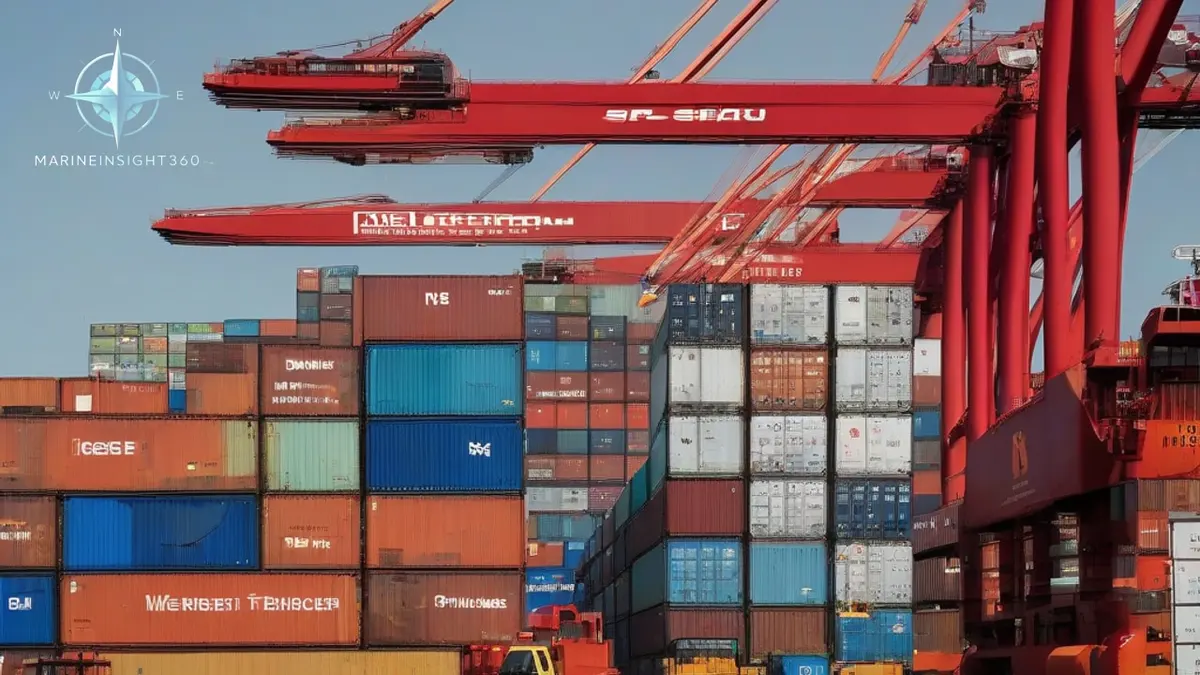
MSC enhances Europe South Africa connectivity through a network it rebuilt in January 2025. The carrier added a direct North Europe call at Walvis Bay. That Namibian port is now its transshipment hub for the Southern Africa west coast, and two feeder shuttles run alongside it. The revised North Europe rotation began when the MSC Rosaria sailed from London Gateway on January 20, 2025. For shippers in the UK, the Netherlands and Germany the change shortened the path to Namibia.
It also moved Mozambican and East African boxes away from congested South African relay points.
The commercial logic is straightforward. Southern Africa is a long, thin trade with sharp seasonal peaks, and a carrier holding a reliable direct string plus feeders captures cargo that would otherwise wait for space on a mainline service.
The revised North Europe to South Africa rotation
The NWC to South Africa service links North European and Iberian load ports with three South African ports, with Walvis Bay inserted as the first African call. The published rotation runs:
- London Gateway, United Kingdom
- Bremerhaven, Germany
- Rotterdam, Netherlands
- Antwerp, Belgium
- Le Havre, France
- Sines, Portugal
- Las Palmas, Spain
- Walvis Bay, Namibia
- Gqeberha (Port Elizabeth), South Africa
- Durban, South Africa
- Cape Town, South Africa
- Las Palmas, Spain, then back to London Gateway
Two details matter operationally. Las Palmas appears on both the southbound and northbound legs, giving the string a mid-ocean relay point for other services. And the South African calls run Gqeberha first, then Durban, then Cape Town, so Cape Town is the last load port rather than the first, which changes transit times for Western Cape cargo in both directions.
Why Walvis Bay became the transshipment hub
Walvis Bay is a deepwater port on an otherwise harborless coast, with a container terminal built on reclaimed land and, unlike Durban and Cape Town, no long history of berth queues. It also sits at the head of road corridors running inland toward Botswana, Zambia and the Copperbelt, so a hub there has landside reach as well as maritime reach.
Using it as a relay point takes Namibian, Mozambican and East African volumes out of the South African ports, where weather and equipment availability routinely cost vessels days. That is the practical gain for a European exporter: fewer boxes routed through the ports most likely to delay them.
The two shuttle services
The Namibia Express is the shorter of the two, running Cape Town to Walvis Bay and back. It lets cargo arriving from Europe on other strings reach Namibia through a Cape Town transshipment, and it started with the MSC Himanshi III sailing from Cape Town on January 8, 2025.
The Mozambique Shuttle covers far more ground, calling Beira, Walvis Bay, Durban, Maputo, Mombasa and Dar es Salaam before returning to Beira. It opened with the MSC Imma III leaving Beira on January 14, 2025. Between them the two shuttles tie the Namibian hub to both the Mozambique Channel ports and the East African gateways.
What European shippers should plan around
- Reefer seasonality. Southern African citrus moves north through the middle of the year, and table grapes and deciduous fruit in the Southern Hemisphere summer. Space and reefer plug availability tighten sharply in those windows.
- Cape Town wind. The port loses working hours to strong southeasterly winds, which is the most common single source of schedule slip on the South African coast.
- Transshipment risk. A relay through Walvis Bay adds a lift and a wait. For time-critical cargo a direct call is usually worth paying for.
- Rotation order. Because Cape Town is the last southbound call, Western Cape cargo arrives later in the string than a glance at the port list suggests.
Why one carrier's network change moves the whole lane
Europe to Southern Africa is served by a small number of strings, so a single carrier reshaping its rotation shifts the trade. When a hub call is added, feeder operators reprice, competing lines review their own relay points, and forwarders rebuild their transit-time tables. Shippers who watch only the rate miss the change that actually determines their delivery date.
Carriers revise these rotations regularly, so treat any published port list as a snapshot and confirm the current schedule with the line before committing a booking. The Ports and Shipping section tracks how these trade lanes change.
A European string carries regulatory load that a schedule change does not remove. Ships calling at EEA ports must monitor and report their emissions under the EU system that EMSA administers, and voyages into and out of the EEA fall within the emissions trading scheme, which prices the leg south. Port state control officers under the Paris MoU inspect at London Gateway, Rotterdam, Antwerp and Le Havre.
The recurring failures on this lane are reefer and relay. A plug that trips unnoticed at a transshipment terminal condemns a container of citrus, and the claim lands on the carrier. Boxes rolled at a hub miss the vessel they were booked on. Protection and indemnity clubs also rank South African ports among the most common stowaway embarkation points, so gangway watch and pre-departure searches are contractual, not optional.
Sources and further reading
- MSC Enhances Connectivity in Southern Africa - MSC customer advisory
- MSC boosts connectivity across South Africa - Container News
- MSC enhances Southern Africa to Europe trade with new shuttle services and revised routes - FreshPlaza
What to read next
Recommended Reading
South Africa Sees a Maritime Traffic Surge as Ships Reroute Around the Cape
Why South Africa sees a maritime traffic surge, what 10 to 14 extra days costs a voyage, and where ships can still bunker on the Cape route.
How To Join The Merchant Navy in South Africa
Working in a Merchant navy in South Africa that transports goods and also people at sea is an honorable profession. As it is an essential part of global…
Scapa Flow: Inside Northern Europe's Great Natural Anchorage
Scapa Flow is northern Europe's great sheltered anchorage. How its entrances, tides, the Flotta oil terminal and protected wrecks shape shipping there.