
South Africa Sees a Maritime Traffic Surge as Ships Reroute Around the Cape
Why South Africa sees a maritime traffic surge, what 10 to 14 extra days costs a voyage, and where ships can still bunker on the Cape route.
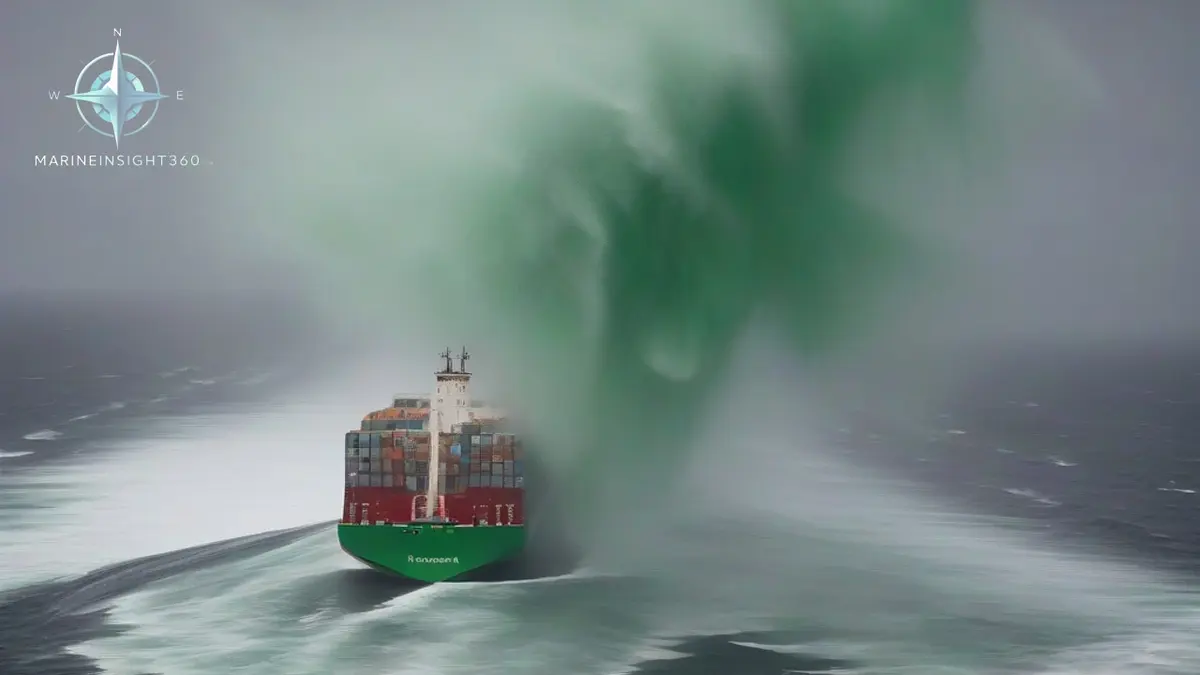
South Africa is seeing a maritime traffic surge because both short routes between Asia and Europe turned unreliable at once. Red Sea diversions began in late 2023, and disruption at the Strait of Hormuz then compounded them. That leaves the Cape of Good Hope as the one corridor needing no transit permission, no convoy and no naval escort.
Cape diversions were reported to have more than doubled by early 2026, and Maersk, Hapag-Lloyd and CMA CGM are among the carriers sending boxes the long way around Africa.
For the ship, the consequence is simple and expensive. A Cape routing adds roughly 10 to 14 days to an Asia to Europe passage, burns more fuel, costs more to insure, and forces a bunkering decision on a coast where refuelling capacity is thinner than the traffic now demands.
What 10 to 14 extra days does to a voyage plan
The added distance is the easy part to calculate. The knock-on effects are what catch operators out.
- Fuel. A longer leg at the same speed burns proportionally more, so most operators slow steam to claw back part of the cost. That in turn stretches the schedule further and changes the cargo delivery window written into the fixture.
- Crew contracts. The Maritime Labour Convention caps continuous service at 11 months. Two consecutive Cape rotations can push a joiner past a planned relief date, so the crewing office needs a repatriation port identified before the ship leaves Asia.
- Stores and spares. Lube oil, chemicals, provisions and critical spares that were sized for a Suez rotation run short. Spares couriered to Durban or Cape Town clear slower than the same package sent to a Mediterranean port.
- Charterparty exposure. Deviation, war risk and bunker clauses decide who pays for the longer route. Those clauses are worth reading before fixing, not after the diversion order arrives.
Bunkering is the real bottleneck on the Cape route
Algoa Bay off Gqeberha was the natural offshore refuelling stop for Cape traffic, and it remains geographically ideal. Its bunkering capacity has been reduced since a tax crackdown in late 2023, which arrived just as demand for Cape refuelling started climbing. The business has moved elsewhere.
Ship refuelling operators along the African coast report a clear surge as vessels divert around the Cape. Namibia is expanding Walvis Bay as a logistics gateway into southern Africa, Togo is building the Port of Lome into a bunkering and transshipment platform, and Kenya is positioning Lamu as an East African alternative.
South Africa, meanwhile, is watching a large share of this traffic pass its coast without a port call, and its transshipment volumes have declined steadily over the past decade as cargo shifted toward Walvis Bay and Maputo.
Practical bunker planning for a Cape passage
- Carry a primary and a secondary refuelling option, because offshore stems in open roadsteads are weather dependent and a southwesterly can suspend delivery for days.
- Confirm grade availability early. Very low sulphur fuel oil supply on this coast is not as deep as at Singapore or Fujairah, and a last minute switch to a different grade raises compatibility and stability questions.
- Budget for the barge waiting time that comes with a congested anchorage rather than assuming Singapore turnaround speeds.
Weather off the Agulhas Bank is the other cost
The Agulhas Current runs southwest down the east coast of South Africa at speeds that can reach four knots or more in the core. When a strong southwesterly buster runs against that flow, the sea state builds steeply and abnormally high waves form off the Wild Coast and along the edge of the Agulhas Bank. Cargo losses and heavy weather damage off South Africa have risen along with the traffic.
Masters who work this coast regularly treat the current axis as a routing decision rather than a free push. Riding the current southbound saves hours in settled weather, but the same water becomes the most dangerous place on the coast once a front arrives.
Standard practice is to move well inshore or well offshore of the current axis when a southwesterly is forecast, to check lashings and container stack weights before the front, and to adjust ballast so the ship is not stiff and snapping in a steep sea.
What operators should lock down before the next Cape passage
The routing is no longer an exception, so treat it as a standing plan rather than a one-off deviation.
- Fix the bunker plan with two named ports and a weather contingency before departure.
- Notify hull, war risk and protection and indemnity underwriters of the routing change and confirm which trading limits apply.
- Book the crew change port in advance, with visa and repatriation logistics checked against contract expiry dates.
- Prepare a heavy weather routing brief for the Agulhas leg and give the bridge team a clear instruction on when to stand off the current.
- Increase the stores and spares margin rather than trusting a mid voyage delivery to catch the ship.
Why this matters beyond one voyage
Every diverted ship absorbs capacity that would otherwise serve other trades, which is why a Cape routing raises freight costs on routes far from Africa. For the crews and operators actually running these passages, the surge is not an abstract chart on a market report. It is a longer contract, a thinner bunker market, a harder stretch of sea and a schedule with less room to absorb anything going wrong.
Nobody polices a Cape routing directly, but the paperwork it generates gets inspected. Port state control officers boarding in Durban or Cape Town check the passage plan, the bunker delivery notes and the fuel changeover log. Class surveyors from DNV or Lloyd's Register look at lashing gear and hatch securing after a heavy weather leg, and the IMO now requires containers lost at sea to be reported.
The failures on this route are predictable. Lashing rods and twistlocks work loose in a long beam sea, and stack collapses follow. Fuel taken in thin markets is where off-spec stems and cat fines appear, and incompatible blends sludge purifiers and clog filters days later. Corrosion from prolonged salt spray is the quiet one, found at survey rather than at sea.
Sources and further reading
- African bunkering hubs gain as ships reroute around the Cape - Engineering News
- Bunkering Hubs Along African Coast See Surge as Vessels Reroute - MarineLink
- South Africa is watching billions sail past - IOL Business Report
- African bunkering hubs gain as ships reroute around the Cape - CNBC Africa
What to read next
Recommended Reading
Greek Tankers Reroute Around Africa to Avoid Deadly Red Sea Attacks
Why Greek tankers reroute around Africa to avoid Red Sea attacks: the war risk, charterparty and bunker arithmetic behind the Cape of Good Hope call.
How MSC Rebuilt Europe to South Africa Connectivity
MSC restructured its Europe to Southern Africa network in January 2025, adding Walvis Bay as a hub and two shuttles. What the rotation means for shippers.
How To Join The Merchant Navy in South Africa
Working in a Merchant navy in South Africa that transports goods and also people at sea is an honorable profession. As it is an essential part of global…