
How Much Do Merchant Mariners Make? Pay by Rank and Sector
US water transport work paid a median of 66,490 dollars, with licensed officers at 88,730. How rank, rotation, sector and union deals change the number.
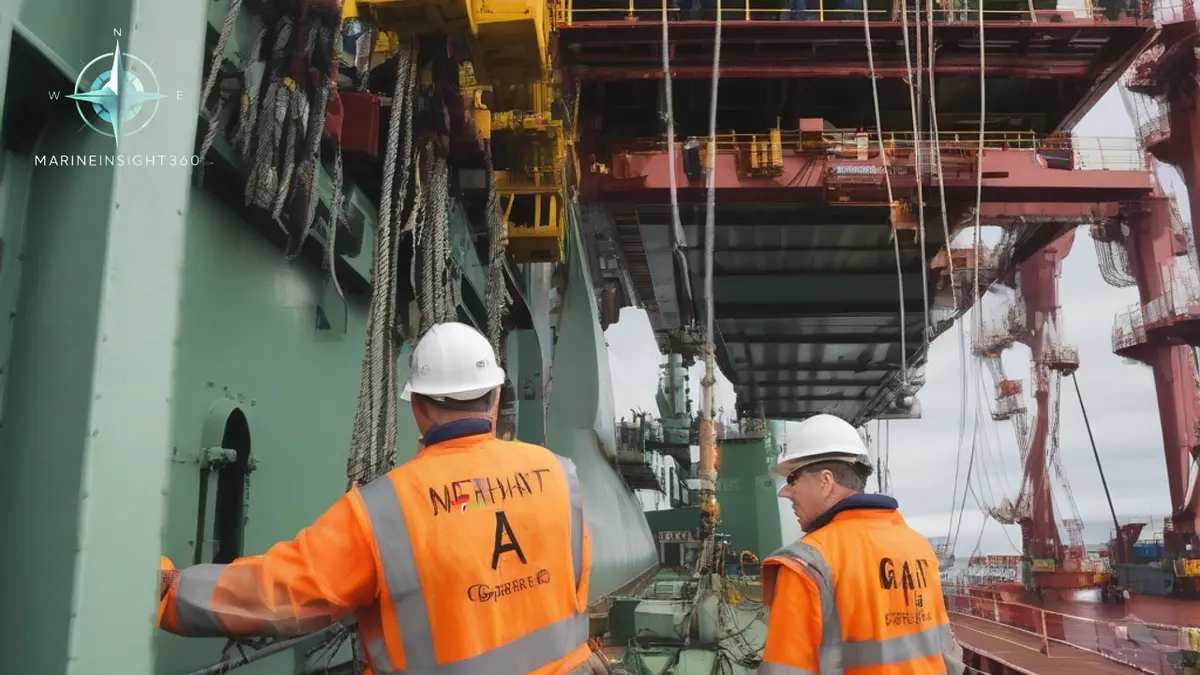
How much do merchant marines make? In the United States the median annual wage across water transportation occupations was 66,490 dollars as of May 2024, according to the Bureau of Labor Statistics. Licensed officers earn substantially more. The BLS category covering captains, mates and pilots of water vessels shows a median of 88,730 dollars and a mean of 97,820 dollars.
The spread is wide, from under 37,000 dollars at the tenth percentile for entry-level unlicensed crew to more than 139,000 dollars at the ninetieth percentile for senior masters and chief engineers.
Those national figures hide the two variables that actually decide a mariner's income: how many days a year you work, and which sector you work in. A day rate on a 28 days on, 28 days off rotation produces a very different annual figure from the same rate worked on a four month contract, and both differ from a salaried position with paid leave.
How pay is structured at sea
Three structures dominate, and comparing offers means converting them to a common basis.
- Day rate. Common in US inland towing, offshore supply and dredging. You are paid only for days worked, so an equal-time rotation means roughly 182 paid days a year. A 700 dollar day rate on equal time is around 127,000 dollars annually, not 255,000.
- Contract wage plus leave. Standard in deep-sea international shipping. A monthly consolidated wage covers basic pay, fixed overtime and leave pay, and the officer is paid for the contract period rather than the calendar year. Leave may be paid at a reduced rate or accrued.
- Salaried with rotation. Used by ferry operators, government fleets and some coastal trades, where the mariner is a permanent employee with normal benefits.
Overtime, penalty payments for tank cleaning or cargo work, watchkeeping allowances and completion bonuses can add materially to the base figure, and they vary far more between companies than base pay does.
What moves the number most
Rank and license
The gap between unlicensed ratings and licensed officers is the single largest driver. Within the officer ranks, an unlimited tonnage master or chief engineer with dual-fuel or DP experience commands a premium over an officer with the same years but limited endorsements. Every additional endorsement, tanker, gas, ice, dynamic positioning, high voltage, narrows the pool of qualified candidates and raises the rate.
Sector
- Jones Act and coastwise US trades. Restricted to US-crewed vessels, so pay is set by the domestic labor market and tends to sit well above international rates.
- Offshore energy and DP vessels. Higher day rates for the same rank, with DP certification and offshore survival training as gatekeepers, but with earnings tied to the drilling and construction cycle.
- Deep-sea international shipping. Rates set against a global crewing market, with the flag, the manning agreement and the vessel type deciding where in the range you land.
- Inland towing and Great Lakes. Steady, rotation-based, with shorter travel and a strong pipeline from deckhand to licensed operator.
- Ferries, pilotage and harbour towage. Home most nights, and pilotage in particular is among the best-paid maritime work, though entry is heavily restricted.
- Cruise. Officer pay is competitive; hotel and service department pay is not comparable to deck and engine rates.
Union and collective agreements
In the United States, membership of a maritime union normally comes with a negotiated wage scale, pension and medical benefits, and a hiring hall that governs how jobs are allocated. In the UK, Europe and Australia, ITF-approved collective bargaining agreements set minimum wage scales for many flags and are the reference point when assessing an offer on a foreign-flag ship.
Beyond the US: what tier-one markets look like
UK Merchant Navy officers are typically paid a consolidated annual salary tied to rank and rotation, with a common pattern of several months on and a similar period of paid leave. Officers who meet the residence and days-abroad conditions may claim the Seafarers' Earnings Deduction against UK income tax, which changes take-home pay considerably; the eligibility rules are specific and worth checking against current HMRC guidance rather than assumed.
Australian and New Zealand coastal and offshore work pays strongly, reflecting a small domestic labor pool and demanding rosters. Canadian pay varies sharply between Great Lakes and St Lawrence trades, coastal ferries and Arctic supply work. Singapore is a major employer of officers for internationally trading fleets, with pay set against the global market rather than local wage levels.
Costs the headline figure ignores
Before comparing a sea job with a shore job, count the items that come out of the difference:
- Certificate renewals, medical examinations and refresher training, which may or may not be company funded.
- Travel to and from the ship, and the unpaid days that travel consumes on some contracts.
- Tax treatment, which varies by residence, days outside the country and flag, and which is the most commonly misjudged part of a seafaring offer.
- Pension provision, which is strong in union and national fleets and weak or absent in some foreign-flag employment.
- Time away from home, which is the real currency of the trade and does not appear on any pay scale.
When you evaluate an offer, reduce everything to earnings per paid day and then to earnings per year, and ask what training and travel the company covers. The Marine Insight 360 Merchant Navy Careers section sets out the certification steps and sea time requirements behind each of the ranks quoted above.
Wages are not left entirely to the market. MLC 2006 Regulation 2.2 requires seafarers to be paid monthly and in full, with an allotment facility to send money home, and the ILO publishes a recommended minimum monthly basic wage for able seafarers that collective agreements are measured against. Port state control officers under the Paris MoU and Tokyo MoU check the wage account alongside the certificates.
The failure mode is non-payment, not underpayment. Wages months in arrears, an owner who stops answering, and a crew held aboard a ship with no bunkers is a pattern the ILO and IMO track in their joint abandonment database. Unions recover unpaid wages each year, and a wage deficiency can detain a ship. Falsified hours-of-rest records are the other routine finding.
Sources and further reading
- US Bureau of Labor Statistics: Water Transportation Workers, Occupational Outlook Handbook
- Payscale: Captain, Mate, or Pilot of Water Vessels salary research
What to read next
Recommended Reading
How Much Do Merchant Mariners Make? Pay by Rank and Trade
US merchant mariner pay by rank, with federal wage medians, day-rate math, rotation effects, union scales and how UK sea pay compares.

Do Merchant Marines Wear Uniforms? What Crews Actually Wear at Sea
Merchant marines do wear uniforms, but not all day and not on every ship. How stripes, epaulettes and department insignia work, and what crews wear on watch.

How Much Do You Get Paid as a Marine Biologist?
Marine biologist pay in the US, UK and Australia, why federal data has no separate category, and which offshore and consultancy roles pay the most.