
Iran Imposes New Shipping Rules in the Strait of Hormuz: What Transit Now Requires
Iran now demands 48 hours notice, insurance proof and a 40 question form to transit the Strait of Hormuz. How the rules clash with UNCLOS transit passage.
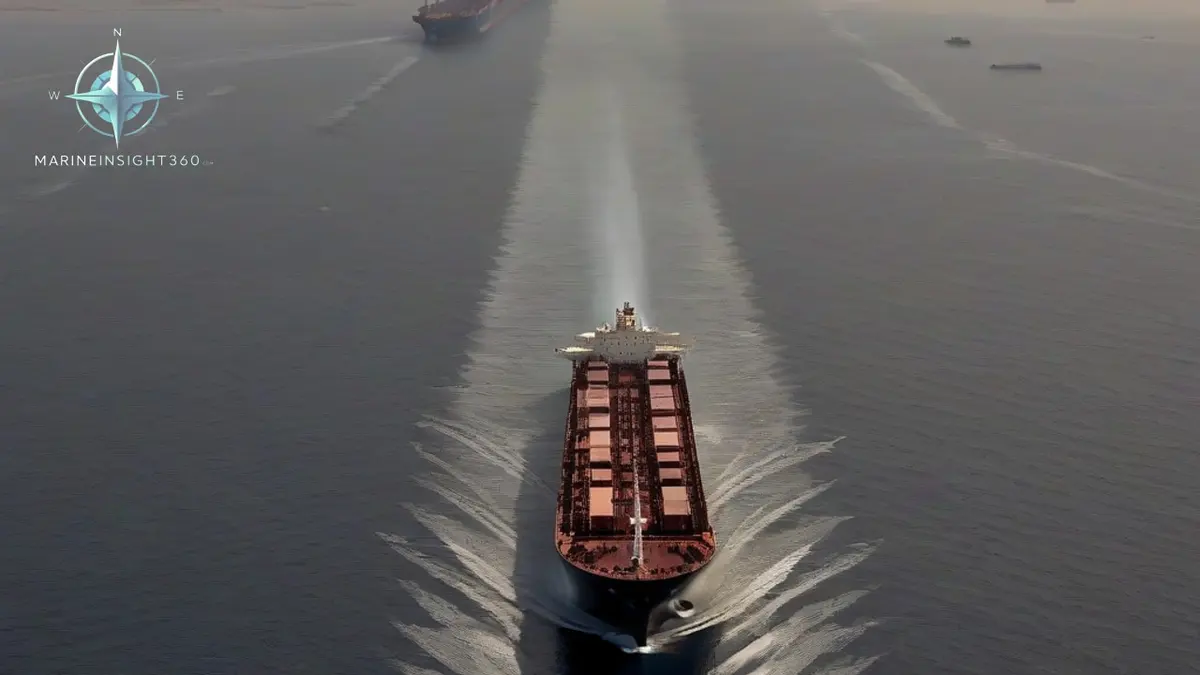
What the New Strait of Hormuz Rules Mean for Your Voyage
Iran now requires every vessel that plans to transit the Strait of Hormuz to email the Persian Gulf Strait Authority 48 hours before passage, submit a 40‑item questionnaire, and pay a fee that can reach two million dollars. The authority will then release the regulations to the operator before the ship may move through the strait.
Why the Rules Clash With International Law
Under Part III of the United Nations Convention on the Law of the Sea (UNCLOS), the Strait of Hormuz is a “strait used for international navigation.” Article 38 guarantees transit passage and forbids any impediment. Article 42 allows bordering states to legislate on safety, traffic separation, pollution and customs, but only if the laws do not discriminate or effectively deny transit passage. Article 44 bars any state from hampering transit passage.
Iran’s 48‑hour notification, detailed declaration and fee sit squarely in the area that Article 42 excludes. Iran has signed UNCLOS in 1982 but has not ratified it, and it argues that transit passage is a treaty benefit available only to parties. Most maritime states, including the United States, treat transit passage as customary international law that applies regardless of ratification.
Operational Implications for Shipowners and Masters
Deciding Whether to File
Complying may reduce the risk of interception, but it also gives a party in a conflict a record of ownership, crew nationality and cargo. This information can be sensitive for crew safety and future port calls. Owners must weigh the benefit of avoiding a boarding against the potential exposure of their vessel’s details.
Assessing the Payment Requirement
Payments to an authority linked to the Islamic Revolutionary Guard Corps can trigger U.S. sanctions exposure for owners, charterers, insurers and banks. Take legal advice before any money moves. The fee may be unlawful under IMO statements that charging for passage through an international strait is prohibited.
War‑Risk Clauses and Crew Consent
War‑risk clauses such as CONWARTIME and VOYWAR allow an owner to refuse a voyage into a dangerous area, but the clause must be invoked correctly. Seafarers cannot be compelled to enter a war zone without consent. Masters should obtain a written position from the company and report it to the flag state before committing to the voyage.
Planning the Transit
Plan the transit for the desired time of day and tide, then check it against the notification requirement. Stay inside the traffic separation scheme, which lies within Omani territorial waters at the narrowest point (21 nautical miles (39 km) wide). Record the intention in the passage plan. Pre‑brief the VHF response: who answers, what is said, what is logged, and when the security report is sent.
Harden the bridge front and have the citadel ready, as the April 2026 attack on a container ship off Oman demonstrated the vulnerability of the bridge watch area.
Commercial Consequences to Expect
War‑risk premiums for Gulf transits rise with each incident and fall slowly. Charterers should anticipate owners seeking explicit indemnity for transit costs and delays. Bunker planning must account for possible waiting times; vessels may need endurance to hold offshore rather than drift toward a coast. Over the long term, restricted transit accelerates existing workarounds—Saudi pipelines to the Red Sea, Fujairah terminals on the Gulf of Oman, and buyer diversification away from Gulf crude—but none replace Hormuz volume.
What to Do Before Your Next Gulf Voyage
- Obtain a written company position on filing and payment.
- Confirm the war‑risk clause in the governing charterparty.
- Confirm crew consent and report it to the flag state.
- Ensure the security reporting pack is current.
- File transit details with the Persian Gulf Strait Authority 48 hours before passage.
- Report entry and exit to the regional naval reporting authority.
- Log any interference with transit passage to the flag administration to trigger a diplomatic channel.
Where to Find More Guidance
Our Navigation and Seamanship section covers chokepoint passage planning in more detail. UKMTO runs the voluntary reporting area covering the Gulf of Oman and the approaches to Hormuz. The IMO’s statement on unlawful passage charges gives flag states a basis for protest. For British‑registered tonnage, the Marine Accident Investigation Branch (MAIB) handles casualty investigations and publishes reports.
Why this matters
Strait Of Hormuz matters because maritime decisions rarely sit in one department. A route story may affect insurance, crew planning and cargo timing. A machinery topic may affect maintenance, safety permits and spare-part planning. A career question may affect training, documents and joining readiness.
For readers in the United States, United Kingdom, Europe, Canada, Australia, Singapore and other mature maritime markets, the useful angle is practical: what changes, what remains uncertain, and which checks should happen before a decision is made.
For connected route-risk and trade coverage, continue with the maritime markets hub.
Next steps
For connected route-risk and trade coverage, continue with the maritime markets hub. Use the linked hub to compare the topic with related guidance before making operational, training or commercial decisions.
Recommended Reading
Iran's Strait of Hormuz Maritime Zone Claim and What It Means for Shipping
Iran claims regulatory control over the Strait of Hormuz. Here is what transit passage law says, how traffic has collapsed, and what masters should do.
Iran's New Strait of Hormuz Rules: What Transiting Ships Now Face
Iran now wants transit requests 48 hours ahead plus a 40 question ownership and cargo form for Strait of Hormuz passage. What operators and masters must weigh.

Marine Scrubbers: Types, How They Work and Where the Rules Are Tightening
How marine scrubbers strip sulfur from ship exhaust, the difference between open-loop, closed-loop and hybrid systems, and where washwater discharge is banned.