
Iran's New Strait of Hormuz Rules: What Transiting Ships Now Face
Iran now wants transit requests 48 hours ahead plus a 40 question ownership and cargo form for Strait of Hormuz passage. What operators and masters must weigh.
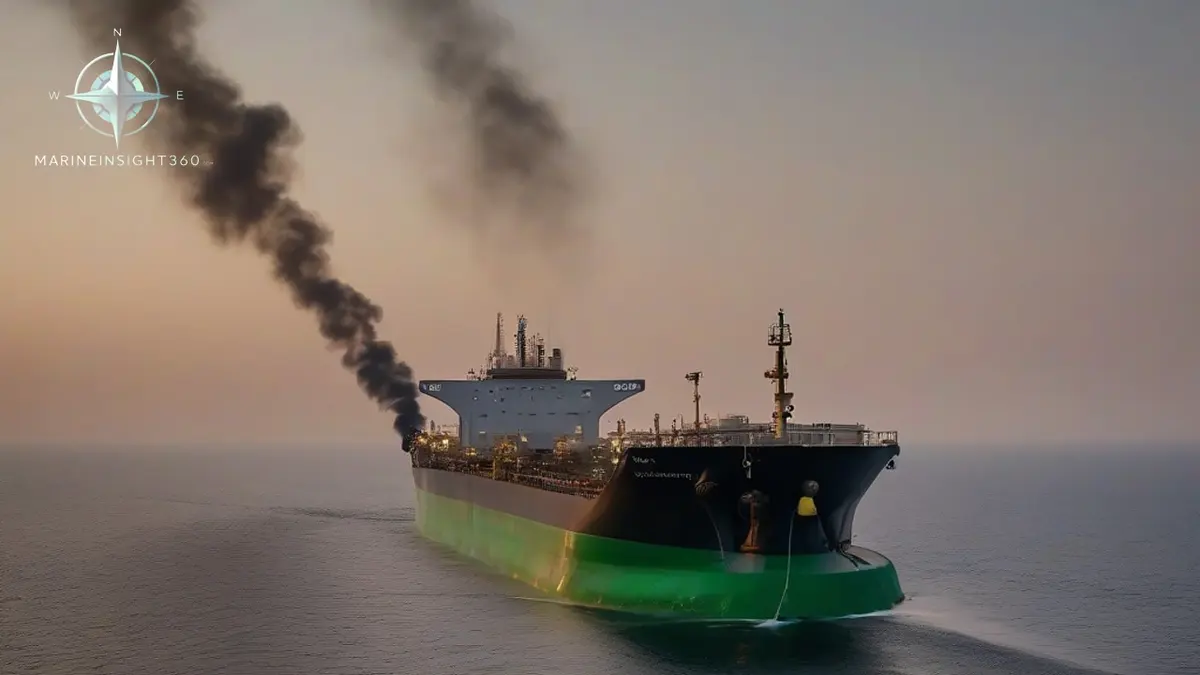
What the New Strait of Hormuz Rules Mean for Your Voyage
Under Iran’s new rules, any vessel that plans to transit the Strait of Hormuz must submit a 40‑question disclosure form at least 48 hours before arrival, obtain a permit and insurance approved by the Persian Gulf Strait Authority, and pay a fee that can reach US$2 million. The requirement is a direct challenge to the UN Convention on the Law of the Sea (UNCLOS) right of transit passage, which most flag states and maritime powers reject.
How the Rules Are Structured and Who Enforces Them
The Persian Gulf Strait Authority, a newly created body, administers the process. Ship owners or masters must email the completed form, which includes vessel name, IMO number, previous names, country of origin and destination, nationalities of owners, operators and crew, and cargo details. The authority also accepts permits and insurance documents before the vessel may enter the strait.
Legal Uncertainty and Practical Risks
- Sanctions risk : Paying the fee without first screening against U.S., U.K. or EU sanctions can expose operators to penalties.
- Insurance coverage : Underwriters may add premiums or refuse coverage if the vessel transits without the required notice, especially in a “listed area.”
- War‑risk clauses : Charterparty clauses such as CONWARTIME or VOYWAR give owners a right to refuse a voyage into a dangerous area, but the notice mechanics must be followed exactly.
- Data privacy : Disclosing crew nationalities raises personal data and safety concerns; consult flag‑state and P&I guidance before routine submission.
Bridge‑Team Discipline During Transit
Regardless of paperwork decisions, the passage itself demands high‑risk transit discipline:
- Report to the regional naval reporting authority per current advisories.
- Maintain planned speed on the traffic separation scheme, with an extra lookout for small craft from either side.
- Brief the crew on the ship security plan, citadel arrangements, and test communications before entry.
- Log every contact, query or instruction received, with times and positions; this log becomes evidence in any dispute.
- Use a pre‑agreed script and keep a company contact reachable at all hours; do not improvise responses to demands.
Why This Matters Beyond the Gulf
If a coastal state can convert transit passage through a strategic strait into a permit system, the same argument could be applied to other busy waterways such as the Malacca and Singapore Straits or the approaches to Bab el‑Mandeb. Freight and insurance costs will reflect that uncertainty even if no vessel is stopped. Charterers should anticipate higher war‑risk premiums and more difficult negotiations on Gulf business until the legal position stabilises.
Keeping a Paperwork Trail
Maintain a contemporaneous record of every notification sent, acknowledgment received, and instruction refused. In disputes over demurrage, deviation or insurance cover, a vessel with a complete trail is far stronger than one relying on recollection. This discipline costs nothing and is the most useful tool while the legal position remains unsettled.
Key Reporting Bodies to Know
- UKMTO: voluntary reporting scheme for the Gulf of Oman and the approaches to the strait.
- MARAD: publishes advisories for U.S. flagged and owned tonnage.
- IMO: has stated that charging for passage through an international strait is unlawful.
- DNV, Lloyd’s Register: survey against flag‑state certificates.
- Tokyo MoU, Paris MoU: port state control inspections at discharge ports.
Because a Hormuz clearance does not appear in any of these chains, operators must rely on the Persian Gulf Strait Authority’s documentation alone.
For further guidance, see Marine Insight 360’s Shipboard Operations section or the Knowledge Base article on Transit Passage and International Straits .
Operational context
In daily maritime work, strait of hormuz rules should be compared with vessel type, flag requirements, company procedures, port expectations, cargo risk and crew competence. The same topic can look different on a container ship, bulk carrier, tanker, offshore vessel, training ship or shore-side logistics desk.
That is why this article avoids treating the subject as a standalone headline. It connects the issue with the checks that ship operators, masters, safety officers and compliance teams can use when reading a report, preparing for a voyage, reviewing a procedure or planning a career step.
Checks for readers
- Identify whether the topic affects safety, compliance, maintenance, navigation, cargo, careers or commercial planning.
- Confirm the latest company procedure, official notice, training requirement or port instruction before acting.
- Separate background context from instructions that require a qualified officer, engineer, surveyor or shore-side approval.
- Use related Marine Insight 360 pages to build a stronger topic cluster instead of reading one article in isolation.
For related compliance and onboard procedure topics, continue with the shipboard operations knowledge base.
Next steps
For related compliance and onboard procedure topics, continue with the shipboard operations knowledge base. Use the linked hub to compare the topic with related guidance before making operational, training or commercial decisions.
Recommended Reading
Iran Imposes New Shipping Rules in the Strait of Hormuz: What Transit Now Requires
Iran now demands 48 hours notice, insurance proof and a 40 question form to transit the Strait of Hormuz. How the rules clash with UNCLOS transit passage.

Marine Scrubbers: Types, How They Work and Where the Rules Are Tightening
How marine scrubbers strip sulfur from ship exhaust, the difference between open-loop, closed-loop and hybrid systems, and where washwater discharge is banned.
Iran's Strait of Hormuz Maritime Zone Claim and What It Means for Shipping
Iran claims regulatory control over the Strait of Hormuz. Here is what transit passage law says, how traffic has collapsed, and what masters should do.