
Iran Must Not Charge Tolls in the Strait of Hormuz, UN Maritime Chief Says
The IMO chief says charging tolls in the Strait of Hormuz breaks international law. What UNCLOS transit passage means and what operators face in practice.
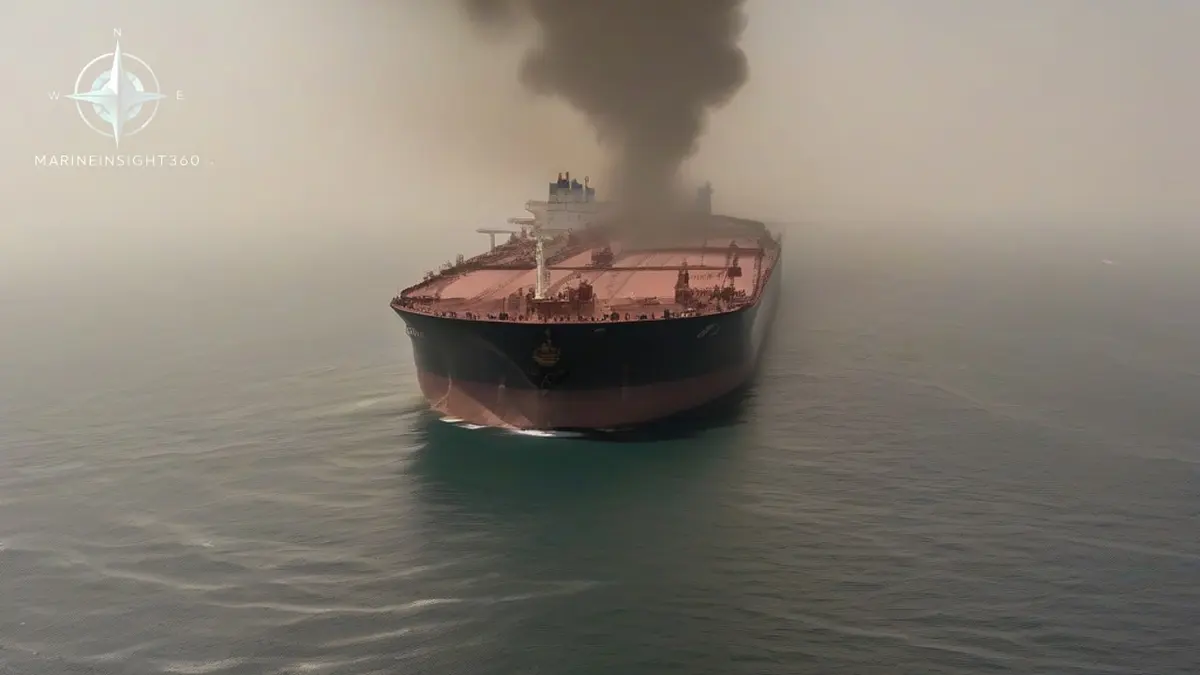
UN Maritime Chief Declares Hormuz Tolls Illegal
Hormuz tolls are barred by international law: the International Maritime Organization’s (IMO) Secretary‑General, Arsenio Dominguez, has stated that Iran cannot impose transit fees in the Strait of Hormuz. The legal basis is clear: under the United Nations Convention on the Law of the Sea (UNCLOS), a natural strait used for international navigation is protected from tolls.
Why a Toll Violates International Law
UNCLOS Article 37 grants vessels the right of transit passage —continuous, expeditious movement through a strait that coastal states may not impede or suspend. The treaty explicitly bars charging a foreign ship merely for passing through a strait. Fees are only permissible if they compensate for a specific, non‑discriminatory service such as pilotage, lighting, or vessel traffic management. A flat toll for the privilege of transiting does not meet this test.
Legal Consequences Beyond the Strait
If Iran were to set a toll, the precedent would extend to other key waterways: the Malacca Strait, Singapore, Bab el‑Mandeb, Gibraltar, the Danish Straits, and the Dover Strait. Shipping operators rely on the assumption that international straits remain toll‑free; a change would ripple through global cost structures and insurance pricing.
Operational Reality: What Operators Face
Even when a charge is unlawful, a master encountering an armed patrol boat has no immediate enforcement remedy. The real challenges are contractual, financial, and regulatory:
- Contractual placement – Charterparties typically allocate canal dues and war‑risk premiums. A new toll may fall outside existing clauses, prompting a rewrite of fixture terms to name the charge explicitly.
- Sanctions exposure – Paying a sanctioned entity or through a sanctioned channel creates liability for owners, managers, banks, and insurers, regardless of duress.
- Insurance impact – War‑risk underwriters price the Gulf on a per‑transit basis. A toll regime combined with conflict can raise premiums and trigger warranty breaches if a listed area is entered without notice.
- Crew rights – Seafarers in war‑like areas may refuse transit, with repatriation paid by the owner. This introduces a manning issue beyond legal compliance.
Alternatives and Their Limits
Some Gulf crude can bypass Hormuz via pipelines or alternate routes—Saudi Arabia’s Yanbu loading and the UAE’s Fujairah export. However, these routes handle only a fraction of the volume that moves through Hormuz and do not serve LNG or imports into Gulf ports. Ships already in the Gulf cannot avoid the strait; a toll would affect both entry and exit.
Practical Steps for Operators
To protect crews and cargoes, operators should:
- Obtain written company instructions on handling payment demands.
- Confirm with the P&I club and war‑risk underwriter whether a duress payment affects coverage.
- Screen payment channels for sanctions before transit.
- Document every communication, position, time, and unit involved.
- Review crew agreements for war‑like operations provisions and brief crews honestly before entering the area.
Why This Matters to Global Trade
A toll would become a permanent cost addition for a large share of the world’s oil and gas trade, first absorbed by owners and charterers, then by consumers. More importantly, it would set a legal precedent that could be invoked in other strategic waterways, reshaping maritime economics and insurance markets worldwide.
Next Steps for Shipping Professionals
Operators should monitor ongoing coverage in the Marine Insight 360 Ports and Shipping section and consult the Knowledge Base for updates on sanctions screening and war‑risk underwriting. Preparing robust documentation and clear contractual terms is essential to mitigate exposure.
Operational context
In daily maritime work, un maritime chief should be compared with vessel type, flag requirements, company procedures, port expectations, cargo risk and crew competence. The same topic can look different on a container ship, bulk carrier, tanker, offshore vessel, training ship or shore-side logistics desk.
That is why this article avoids treating the subject as a standalone headline. It connects the issue with the checks that ship operators, masters, safety officers and compliance teams can use when reading a report, preparing for a voyage, reviewing a procedure or planning a career step.
Checks for readers
- Identify whether the topic affects safety, compliance, maintenance, navigation, cargo, careers or commercial planning.
- Confirm the latest company procedure, official notice, training requirement or port instruction before acting.
- Separate background context from instructions that require a qualified officer, engineer, surveyor or shore-side approval.
- Use related Marine Insight 360 pages to build a stronger topic cluster instead of reading one article in isolation.
Evidence and trust signals
A useful maritime article should show where the reader needs evidence, even when the page is an explainer rather than a breaking-news report. Look for dates, vessel context, source attribution, regulatory references, equipment details, route names, job requirements or operational constraints that can be verified.
When evidence is missing or the situation is changing, treat the article as a starting point. For safety-critical, legal, medical, immigration, training or commercial decisions, confirm the details through official channels and qualified professionals.
For related compliance and onboard procedure topics, continue with the shipboard operations knowledge base.
Recommended Reading
Iran's Threat to Burn Ships in the Strait of Hormuz: What It Means at Sea
Iran has threatened to burn ships in the Strait of Hormuz and mined the corridor. What the threat means for transit planning, war risk cover and crews.
Iran's New Maritime Oversight Zone Across the Strait of Hormuz: What It Means for Merchant Ships
Iran has defined a maritime oversight zone across the Strait of Hormuz. What the redrawn routing, IRGC coordination and reporting mean for merchant ships.
US Tightens Controls on Iran and Warns Shipping Over Hormuz Tolls
The US has warned shipping that paying Iranian Strait of Hormuz tolls risks sanctions. Designations, insurance fallout and compliance steps explained.