
US Tightens Controls on Iran and Warns Shipping Over Hormuz Tolls
The US has warned shipping that paying Iranian Strait of Hormuz tolls risks sanctions. Designations, insurance fallout and compliance steps explained.
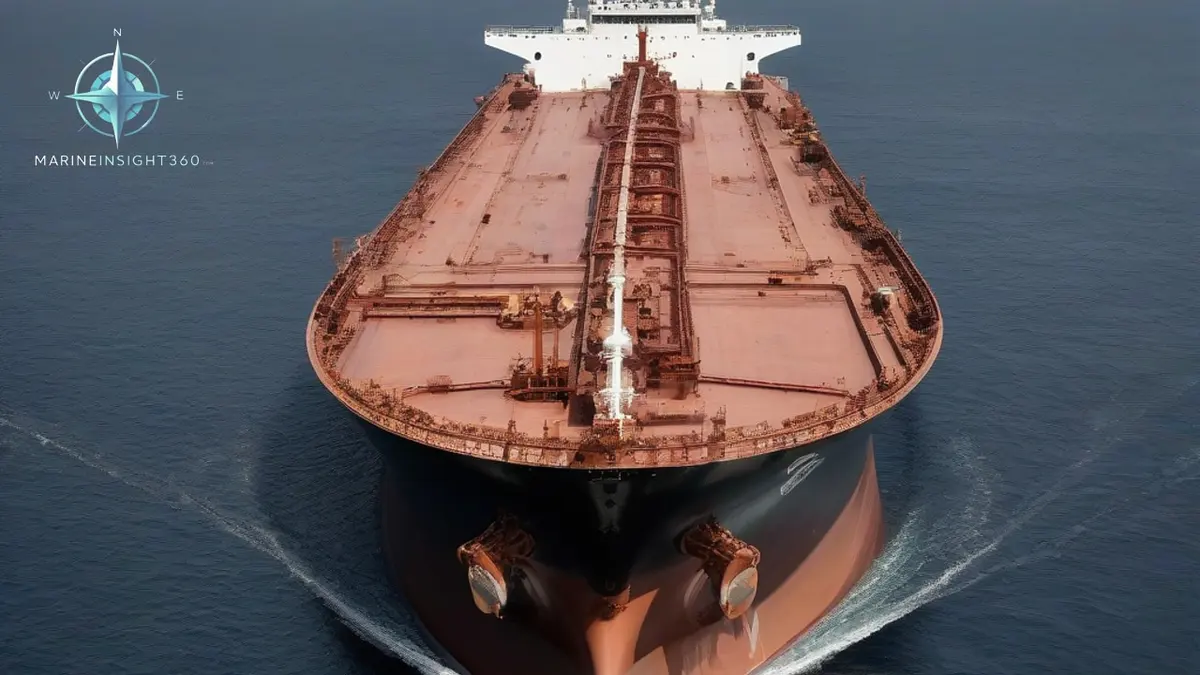
The United States has tightened economic controls on Iran and warned shipping that paying Hormuz tolls creates direct sanctions exposure. The Office of Foreign Assets Control (OFAC) administers US sanctions. It has issued an alert on Iranian threats to shipping. The alert also names demands for toll payments in exchange for safe passage. Making those payments carries sanctions risk for US and non-US persons alike.
Traffic through the strait has been largely blocked since 28 February 2026, when the United States and Israel began an air campaign against Iran. Roughly a fifth of the world's seaborne oil and a comparable share of traded LNG normally pass through that water.
Which entities have been designated
Two rounds of designations frame the exposure:
- On 28 May 2026 the US sanctioned Iran's Persian Gulf Strait Authority, the body created to approve transits and levy the charge, together with any person or entity cooperating with it. Reported tolls have run as high as 2 million US dollars per vessel.
- In late July 2026 the Treasury designated Persian Gulf Marine Insurance Company and HormuzSafe Marine Services Authority, which it said compel commercial vessels to buy a mandatory maritime insurance product in order to transit.
Treasury Secretary Scott Bessent described the arrangement as an attempt to extort global maritime trade.
Why paying Hormuz tolls creates sanctions exposure whatever the route
The OFAC alert is explicit that the form of payment creates no safe harbor. Demands may be structured as fiat currency, digital assets, offsets, informal swaps, or in-kind payments including nominally charitable donations routed to bodies such as the Iranian Red Crescent Society, Bonyad Mostazafan, or Iranian embassy accounts.
Distance in the payment chain does not help either. A charterer, agent, intermediary or local service provider making the payment does not insulate the owner. Exposure can arise where freight, charter hire or other shipping payments are later used by an operator to satisfy an Iranian passage charge, which pulls banks with US dollar clearing relationships into the same analysis.
Insurance has become the binding constraint
The commercial decision has moved from the size of the toll to the insurance consequence. Because the Persian Gulf Strait Authority is a Specially Designated National linked to the Islamic Revolutionary Guard Corps, payments to it, including premiums for the mandated cover, expose shipowners, protection and indemnity clubs and banks under both US and EU law.
London market insurers have responded with clauses under which cover terminates if such a payment is made, drafted to follow the money rather than the payer. A vessel that pays and transits can therefore reach the discharge port with no valid hull cover and no protection and indemnity cover, the mutual liability insurance carried by nearly every commercial ship. That is a worse position than a delayed cargo.
What the law of the sea says about charging for a strait transit
The United Nations Convention on the Law of the Sea treats Hormuz as a strait used for international navigation. Ships and aircraft hold the right of transit passage, and states bordering the strait may not impede or suspend it. The convention also limits charges: a coastal state may not levy a charge on a foreign ship merely for passage, only for a specific service rendered to that vessel.
A blanket transit fee backed by a threat of force does not fit that exception.
Practical steps for owners, charterers and masters
- Fix the sanctions position in the charter party. Make sure the sanctions clause covers passage charges by name and states who bears delay if the vessel cannot transit.
- Confirm cover in writing before entering the area. Ask the club and the hull underwriters for a written position on transit and on payment-triggered termination.
- Log every approach and demand. Record VHF calls, positions, times, and any craft or aircraft that closes the ship. That record supports both the insurance file and the sanctions file.
- Give the master standing written no-payment authority. A master under pressure at 0300 needs an instruction already in hand, not a phone call.
- Screen the whole chain. Agents, bunker suppliers and local service providers in the region should be run against current designations, not a cached list.
Why this matters beyond the Gulf
A tolled international strait, if the practice takes hold, changes the cost basis of every route that depends on narrow water. Owners are already pricing longer voyages and higher war risk premiums into Gulf trades, and charterers are writing transit assumptions into fixtures that used to go unstated. The compliance work above now belongs inside voyage planning rather than in a legal review after the fact. The Marine Insight 360 Shipboard Operations section carries related transit risk guidance.
Reporting runs through UKMTO, the UK Maritime Trade Operations centre, and it is the first call for a merchant ship facing interference in the Gulf. Vessels entering the region send a movement report and transit the voluntary reporting area, so an approach or a demand is logged against a known track. That record is what an owner later shows underwriters, the flag state and investigators.
The failure mode is documentary rather than dramatic. Owners who cannot show a contemporaneous log of the approach, the demand and the refusal find the sanctions file and the insurance file resting on recollection. Clubs in the International Group ask for the same material, and a gap of several hours in the record is read against the ship. Log the VHF exchange as it happens, not at the end of the watch.
Sources and further reading
- OFAC Alert: Sanctions Risks of Iranian Demands for Strait of Hormuz Passage
- US imposes sanctions on Iranian agency trying to control shipping in the Strait of Hormuz
- OFAC targets Iran's extortion insurance scheme in Hormuz
- Strait of Hormuz: Sanctions Considerations, Steamship Mutual
What to read next
Recommended Reading
Iran's Strait of Hormuz Maritime Zone Claim and What It Means for Shipping
Iran claims regulatory control over the Strait of Hormuz. Here is what transit passage law says, how traffic has collapsed, and what masters should do.
Iran Imposes New Shipping Rules in the Strait of Hormuz: What Transit Now Requires
Iran now demands 48 hours notice, insurance proof and a 40 question form to transit the Strait of Hormuz. How the rules clash with UNCLOS transit passage.
Iran Must Not Charge Tolls in the Strait of Hormuz, UN Maritime Chief Says
The IMO chief says charging tolls in the Strait of Hormuz breaks international law. What UNCLOS transit passage means and what operators face in practice.