
What Does SS Mean on a Ship? Steamship, and Every Other Prefix Explained
SS on a ship means steamship, a vessel driven by steam engines. What the prefix tells you, why modern ships use MV instead, and what RMS, HMS and USS mean.
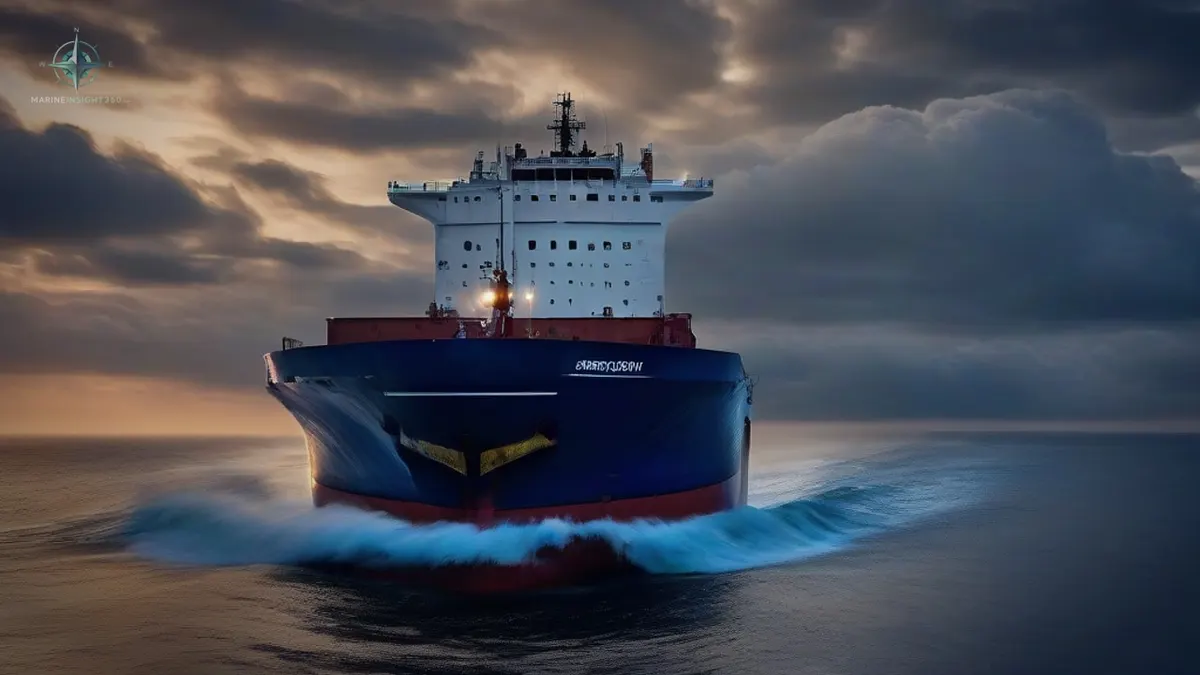
What does SS mean on a ship? It stands for steamship: a vessel propelled by steam engines. The prefix dates from the era when steam power replaced sail, and it survives today mostly on historic vessels, in old records, and in popular culture, because almost no modern merchant ship actually runs on steam.
Ship prefixes are a compressed technical label. Two or three letters before a name tell you how the vessel is powered, what work it does, or which navy owns it, and reading them correctly turns any ship list into plain information.
Where SS Came From
Through the 19th century, steam propulsion transformed shipping, and operators began marking the difference in the name itself. SS distinguished a steam-driven vessel from the sailing ships that still crowded harbors. Some sources also read the doubled letter through screw steamer, a steamship driven by a screw propeller rather than paddle wheels; both usages point at the same machinery age.
Famous bearers like the SS United States and SS Great Britain carried the prefix as a statement of modernity in their day.
Why Modern Ships Say MV Instead
Steam gave way to the marine diesel engine across the 20th century, and the prefixes followed the machinery. MV stands for motor vessel and MS for motor ship, both meaning diesel-driven, and they are what you will see on nearly every modern cargo ship, tanker and ferry. A handful of steam-turbine ships survived late in specialized trades, notably some LNG carriers that burned their own cargo's boil-off gas, but new construction has moved on, and so has the naming.
The Prefixes Worth Knowing
- SS: steamship, the historic steam-powered marker.
- MV / MS: motor vessel or motor ship, diesel powered, today's default.
- RMS: Royal Mail Ship, a British vessel contracted to carry mail, famously the RMS Titanic.
- HMS: His or Her Majesty's Ship, a commissioned Royal Navy warship.
- USS: United States Ship, a commissioned US Navy vessel.
- USNS: United States Naval Ship, civilian-crewed vessels of the Military Sealift Command.
- MT: motor tanker, a diesel-powered tank vessel.
- FV: fishing vessel; RV: research vessel; SV: sailing vessel.
How Prefixes Are Actually Used Today
Nothing in international law forces a merchant ship to carry a prefix; registries record a name, an IMO number and the technical facts. The prefixes live on in charter parties, insurance documents, naval tradition and journalism because they compress useful context into two letters. Navies are the strictest users: HMS and USS are formal designations tied to commissioning, and using them for the wrong vessel is a genuine error.
In the United States and United Kingdom, editors and maritime lawyers still check prefixes the way they check spellings.
Quick Answers
- Was the Titanic an SS? She was RMS Titanic, the mail contract outranked the steam label, though SS Titanic appears in some period documents.
- Can a modern diesel ship use SS? It would be technically wrong; MV is the honest prefix.
- Do prefixes appear on the hull? Usually not; hulls carry the name and port of registry, while prefixes live in documents.
Famous Survivors You Can Still Visit
A handful of genuine steamships survive as museums, and they make the prefix tangible. The SS Great Britain, Brunel's 1843 iron pioneer, sits restored in her original Bristol dry dock in the United Kingdom and ranks among the world's great preserved ships. The SS United States, holder of the transatlantic speed record since 1952, survived decades of uncertainty in Philadelphia before her preservation as a reef project began.
On the American Great Lakes, steamers like the SS Badger still carry cars and passengers across Lake Michigan, a working museum in daily service. Maritime museums in the United States and United Kingdom keep engine rooms open precisely because steam is now exotic; watching a triple-expansion engine turn explains SS better than any glossary.
The prefix also survives in paperwork long after engines change. A ship's IMO number never changes through name, flag or owner swaps, which is how researchers trace one hull through five names and three prefixes. When a record says SS where you expected MV, check the year: the letters usually date the document as much as the vessel.
What to do next
Prefixes are one corner of ship identity, and these guides continue it:
Recommended Reading
Marine Fire Safety: What the FSS Code Requires on Every Ship
How marine fire safety works under the FSS Code: fire mains and pumps, fixed gas and sprinkler systems, detection, escape gear and the drills that bind it all.
Ship Decks: Every Type, What It Does, and the Equipment It Carries
What ship decks are, from tank top to bridge: the main deck types, how they are numbered, and the windlasses, winches, cranes and hatches that work on them.
Cargo Barges: Every Major Type and What Each One Carries
The main types of cargo barges, hopper, deck, tank, crane and more, what each carries, and how tug-and-tow economics move bulk freight on inland waterways.