
What is water hammer? How can it be prevented?
What is water hammer? How can it be prevented?: technology, equipment and fleet context for US, UK, Canada, Australia, Singapore and European maritime...
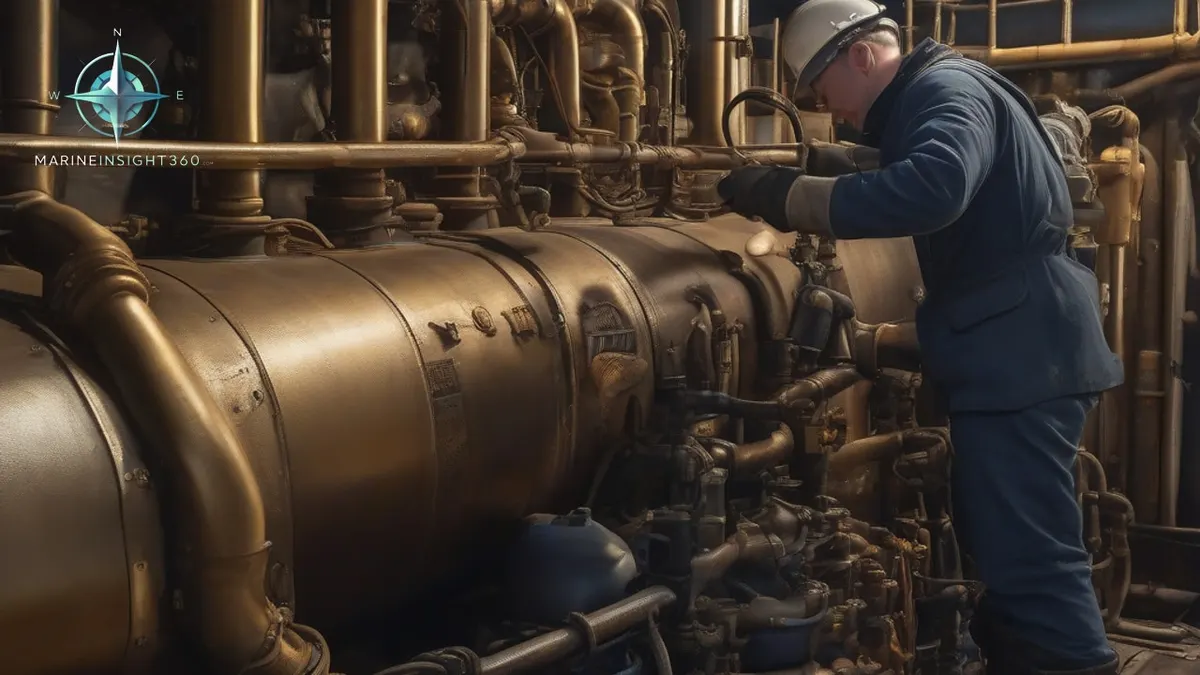
Understanding the Risks of Water Hammer
The International Maritime Organization (IMO) emphasizes the importance of maintaining proper steam line systems to prevent accidents, as outlined in the Safety of Life at Sea (SOLAS) convention. Water hammer can lead to significant damage to the steam line, valves, and other equipment, resulting in costly repairs and potentially causing environmental harm. For instance, if a valve rupture occurs, it can lead to a significant release of steam, causing burns to personnel in the surrounding area.
Moreover, the damage to the steam line can lead to a decrease in the overall efficiency of the engine, ultimately affecting the vessel's performance and safety. The International Safety Management (ISM) Code also highlights the need for regular maintenance and inspection of steam lines to prevent such accidents. The most important way to prevent water hammer is to drain the water before it flows through the steam line again. Water is drained from the steam line through the drain fitting.
The water must be completely drained to clean the pipes. Then, the steam valve must be slightly opened to allow the pipes to warm to operating temperature. This also ensures that any condensate generated when steam enters the pipes through the open valve is removed. The drain outlet must be checked regularly to ensure complete drainage. Avoid sharp bends in the steam pipes, as these can increase condensate.
Once the water has completely drained and the drain sound has changed to steam, the steam valve must be reopened.
This process must be done slowly and gradually. After a period of time, the drain valve must be completely closed and the steam valve fully opened. This method prevents water from accumulating in the pipes, ultimately eliminating water hammer.
Prevention and Maintenance Strategies
To prevent water hammer, it is essential to implement a regular maintenance schedule for the steam line system. This includes inspecting the steam lines for any signs of damage or corrosion, checking the drain valves for proper functioning, and ensuring that the steam valves are operating correctly. The Standards of Training, Certification, and Watchkeeping (STCW) for seafarers emphasize the importance of proper training in maintenance and repair of steam line systems.
Additionally, the Marine Environment Protection Committee (MEPC) of the IMO has implemented regulations to reduce the risk of pollution from ships, which includes proper maintenance of steam line systems. By following these guidelines and implementing a regular maintenance schedule, the risk of water hammer can be significantly reduced. In real-world contexts, maritime professionals can take practical steps to prevent water hammer.
For example, during routine maintenance, engineers can check the steam lines for any blockages or debris that may cause water to accumulate.
They can also ensure that the drain valves are functioning correctly and that the steam valves are operating smoothly. Furthermore, engineers can monitor the steam line system for any signs of water hammer, such as unusual noises or vibrations, and take prompt action to address the issue. By taking these proactive measures, maritime professionals can help prevent water hammer and ensure the safe and efficient operation of the vessel.
Best Practices for Steam Line Systems
The Maritime Pollution (MARPOL) convention emphasizes the importance of preventing pollution from ships, which includes proper management of steam line systems. To prevent water hammer, it is essential to follow best practices for steam line systems. This includes ensuring that the steam lines are properly sized and configured, that the drain valves are functioning correctly, and that the steam valves are operating smoothly. Additionally, engineers should follow established procedures for draining and venting the steam lines, and ensure that the system is properly maintained and inspected regularly.
By following these best practices and guidelines, maritime professionals can help prevent water hammer and ensure the safe and efficient operation of the vessel. Some key best practices for steam line systems include:
- Regularly inspecting the steam lines for signs of damage or corrosion
- Ensuring that the drain valves are functioning correctly
- Operating the steam valves smoothly and gradually
- Monitoring the steam line system for signs of water hammer
- Following established procedures for draining and venting the steam lines
By following these best practices and guidelines, maritime professionals can help prevent water hammer and ensure the safe and efficient operation of the vessel.
Recommended Reading

Bioluminescent Bays: Where the Water Glows and Why It Happens
What makes a bioluminescent bay glow, where the world's brightest bays are, the best conditions for seeing them, and how fragile these lagoons really are.
Water Sprinkler and Water Mist Fire Extinguishing Systems
Water Sprinkler and Water Mist Fire Extinguishing Systems: safety, training and compliance context for US, UK, Canada, Australia, Singapore and...
Ship Behavior in Shallow Water; Resistance & Speed
Ship Behavior in Shallow Water; Resistance & Speed: ports, trade and shipping-market context for US, UK, Canada, Australia, Singapore and European...