
General Procedures for Preparing a Ship for a Port Arrival
General Procedures for Preparing a Ship for a Port Arrival: ports, trade and shipping-market context for US, UK, Canada, Australia, Singapore and...
General Procedures for Preparing a Ship for a Port Arrival
Entering and leaving a port are two crucial parts of a ship's voyage. Due to their complexity, both procedures are crucial. Thorough preparations must be made in advance, both in the engine room and on deck, to ensure the safety of the vessel and its crew.
Before entering a port, the crew must plan and discuss all matters necessary for the vessel to safely berth and load cargo.
This article outlines the guidelines to be followed before a ship enters a port. Please note that the following list is not exhaustive; the responsible officer must use his or her knowledge and skills to ensure the vessel's safe maneuvering and berthing. The navigating officer must also fully understand his or her responsibilities.
Before Entering a Port
The captain must inform the chief officer and chief engineer officer in advance of the vessel's port entry date. If necessary, a meeting with the chief officer or officer in charge will be arranged to discuss all matters necessary for the vessel's entry.
After completing these procedures, the responsible officer will review the completion of all items on the port entry checklist. The results of this review will be recorded in the vessel's deck log.
All officers, including deck cadets and crew members, have specific responsibilities during the docking process. Under the captain's orders, all personnel involved in docking are assigned to their respective positions, performing their duties and directing the ship's operations.
What are Freeing Ports On Ships?
World’s Biggest Eco-Friendly Cargo Ship at Hamburg Port
The overall plan for a port call includes the following:
The captain commands the ship from the bridge, accompanied by the third officer.
The chief officer, located forward, commands and directs the forward station.
The second officer, located aft, commands the aft station (although this may be adjusted if the captain has other responsibilities for the second officer). The second or chief officer may request assistance from deck crew members during docking operations.
If necessary, the captain may request other deck crew membersto serve as lookouts.
The captain typically assists the chief officer.
The overall plan for the engine room department during a port call includes the following:
The chief engineer commands the engine room.
The second and third engineers may be stationed in the engine room and direct their subordinates to operate machinery systems.
The third and fourth engineers may be stationed in specific areas of the engine room as directed by the chief or second engineer.
The assistant engineer assists the chief engineer and patrols the engine room as directed by the chief engineer. Under the supervision of the Chief Engineer, the Engineer/Fireman assists the Chief Engineer in engine room operations. The Chief Engineer may assign other Engineers to perform duties as needed.
a main engine stern rudder test is mandatory before a vessel enters port. This test is usually conducted before the pilot comes aboard.
Career planning context
For cadets, ratings and officers, general procedures should be read alongside current company requirements, flag-state rules, medical fitness standards and training-provider instructions. The pathway can change by country, rank, vessel type and previous sea service, so candidates should verify documents before paying fees or accepting a joining offer.
Recommended Reading
Maritime Cybersecurity in 2026: Why Every Ship and Port Must Prepare
Practical measures for ships and companies A robust maritime cybersecurity programme does not have to start with costly hardware.
Shipping Agent Role: Port Call Duties Explained
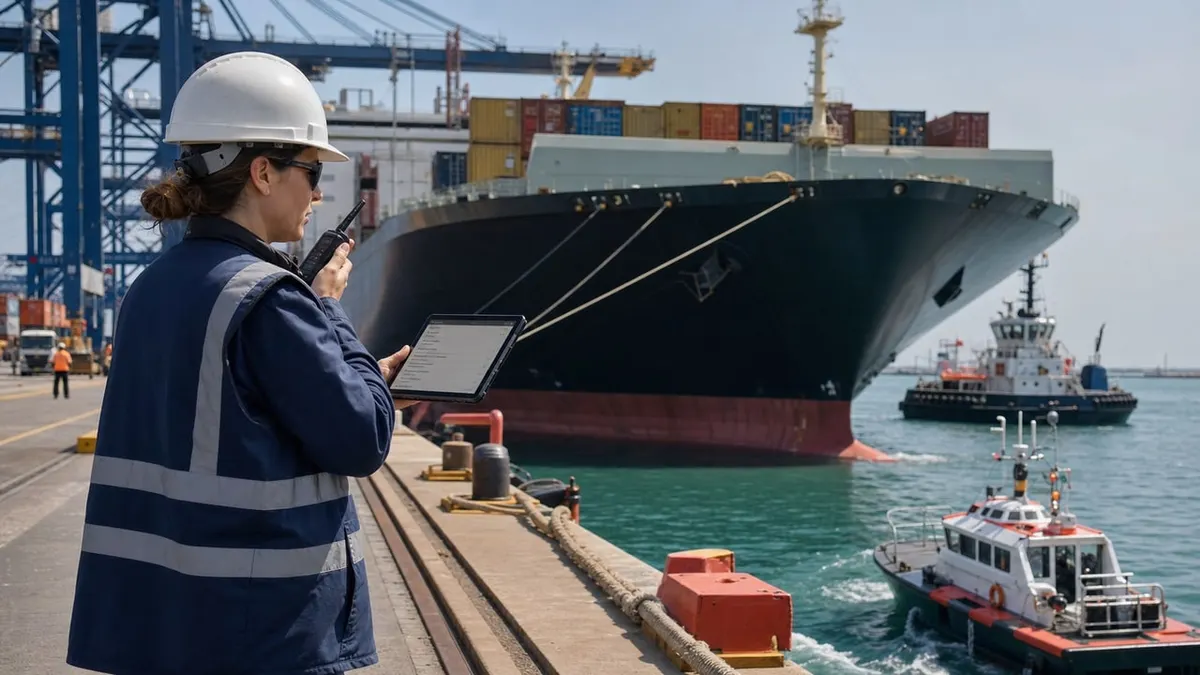
Learn how a shipping agent coordinates vessel clearance, port services, documents and communications before, during and after a port call.
Emergency Generator Operation and Testing Procedures
Emergency Generator Operation and Testing Procedures: regulatory and compliance context for US, UK, Canada, Australia, Singapore and European maritime...