
Shadow Fleet Tanker Detained in Gibraltar After Russian Crew Left Unpaid
A shadow fleet tanker was detained in Gibraltar after its Russian crew went unpaid. What counts as abandonment under MLC 2006 and what seafarers should do.
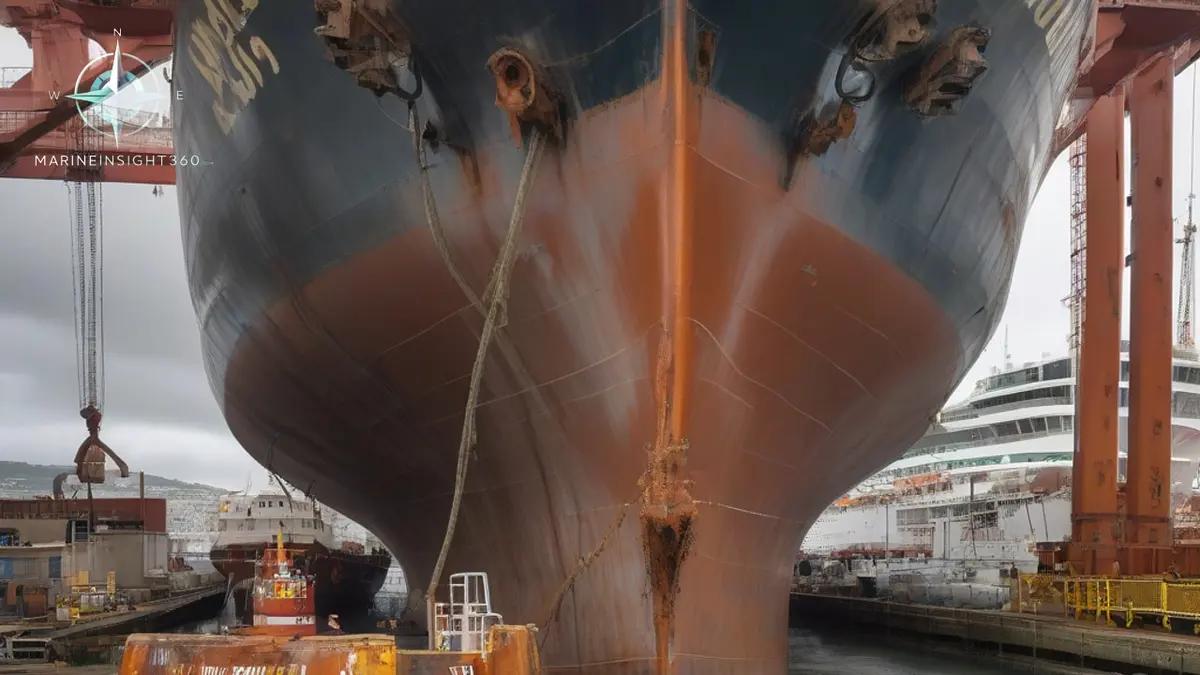
A shadow fleet tanker was detained in Gibraltar by port state control after its Russian crew complained they had not been paid. Gibraltar is a British Overseas Territory, and its inspectors work to the Paris MoU regime. The detention goes on the record that European port states read. The ship was the 50,921 dwt Electra, built in 2005 and linked to India-based Gatik Ship Management. She was stopped a week after a ship-to-ship transfer of Russian oil products off Greece.
She had loaded 300,000 barrels of naphtha at the Russian port of Ust-Luga in November and December. Unpaid wages are the detainable deficiency here, and that is the part every seafarer should understand.
Unpaid wages are a port state control deficiency
Crews often assume wage disputes are a private matter between them and the manager. Under the Maritime Labour Convention 2006 they are not. Seafarer employment conditions are inspectable, and a port state control officer who finds evidence of non-payment can raise it as a deficiency and, where it is serious or repeated, detain the ship until it is resolved.
That mechanism is the only real leverage a crew has. A ship earns nothing alongside under detention, so a detention converts a wage claim that an opaque owner can ignore into a cost that is accruing daily.
What counts as abandonment under MLC 2006
The convention sets a specific definition rather than leaving it to judgement. A seafarer is considered abandoned when the shipowner does any of the following:
- Fails to cover the cost of the seafarer's repatriation.
- Leaves the seafarer without the necessary maintenance and support, meaning adequate food, accommodation, drinking water, essential fuel and medical care.
- Otherwise unilaterally severs ties, including failing to pay contractual wages for a period of at least two months.
The two month wage test is the one that matters in cases like Gibraltar. It converts a slipping payroll from a grievance into a defined status with legal consequences.
The financial security certificate every seafarer should check
The 2014 amendments to MLC 2006 require shipowners to hold a financial security system covering abandonment, and separately for death or long-term disability from occupational injury or illness. The evidence of that cover is a certificate that must be posted on board where the crew can see it, naming the provider and how to contact them.
The abandonment guarantee is designed to pay directly rather than through the owner. It covers outstanding wages and other entitlements for up to four months, repatriation costs, and essential needs including food, accommodation, drinking water, fuel and medical care until the seafarer is home. Two practical points follow. Photograph that certificate when you join, because a crew that cannot name its own insurer loses weeks. And note that the guarantee is a floor, not a cap on what is owed.
Why the shadow fleet produces these cases
The pattern behind the Gibraltar detention repeats across sanctioned oil trades. Vessels are old, often two decades or more, bought cheaply for a short earning life. Ownership sits behind single-ship companies in jurisdictions that make the beneficial owner hard to identify. Flags change frequently, sometimes mid-voyage, and insurance may sit with providers whose ability to respond to a claim is untested.
Cash flow is the weak point. When a cargo is delayed, a payment channel is closed or a buyer walks away, there is no balance sheet behind the ship to bridge the gap, and the crew payroll is the first thing to stop. Seafarers taking a berth on aged tonnage in these trades should treat wage risk as the primary risk, above the technical condition of the ship.
The scale of the problem in 2025
Abandonment reached record levels in 2025. Some 6,223 seafarers were abandoned across 410 ships, a 31 percent rise in ships and a 32 percent rise in seafarers on the previous year, and the sixth consecutive record year for vessels involved. Seafarers were owed a reported total of 25.8 million USD, and the International Transport Workers Federation recovered 16.5 million USD in unpaid wages. Indian seafarers were the worst affected nationality, with more than 1,000 abandoned.
The ITF handled 400 of the 410 cases, and the IMO and ILO maintain the joint database that records them.
What a crew should do when wages stop
- Document from day one. Keep copies of the employment agreement, wage accounts, allotment records and every written request for payment. A clear paper trail is what turns a complaint into a claim.
- Make the demand in writing to the master, the manager and the owner, and keep the sent copies.
- Contact an ITF inspector at the next port. They board ships, deal with owners and managers, and know which authority in that port responds.
- Raise it with the flag state and the port state control authority. Under MLC the on-board complaint procedure exists precisely for this, and the port state has inspection powers regardless of the flag.
- Trigger the financial security certificate where two months have passed, because that is what it exists for.
- Do not sign off or leave the ship on an informal promise. Leaving without a settlement or a repatriation arrangement in writing weakens the claim and can cost the passage home.
The Gibraltar case ended the way these cases end best: the ship stopped, the authority engaged, and the crew's problem became the owner's problem. That only happened because the crew reported it.
Sources and further reading
- Shadow fleet tanker detained in Gibraltar after Russian crew left unpaid - TradeWinds
- Seafarer abandonment crisis: thousands left behind in shipping's worst year on record - ITF Seafarers
- Seafarer abandonment - International Maritime Organization
- ILO: 400 cases of seafarer abandonment recorded in 2025 - SAFETY4SEA
What to read next
Recommended Reading
Why a Viken JV Tanker Was Auctioned in Gibraltar Over Russian Sanctions Links
A Viken joint venture aframax was sold by court auction in Gibraltar to clear US sanctions links. How judicial sales give a tanker clean title.
Two Crew Members Seriously Injured in Explosion on Tanker at Ireland's Second Largest Port
An explosion aboard the chemical tanker Bow Hercules at Shannon Foynes seriously injured two crew members. What the case shows about gas cylinder safety.
IRGC Gunboats Open Fire on a Tanker Off Oman: The Crew Response That Matters
UKMTO reported IRGC gunboats firing on a tanker 20 nautical miles off Oman without a radio challenge. What crews do when a state naval unit closes in.