
The World's First Absolute Zero-Emission Container Ship is Set to Be Ordered By The Startup
Veer’s 150‑TEU vessel combines hydrogen and wind propulsion to achieve zero emissions. Learn the design, finance, and operational impact for the shipping indust
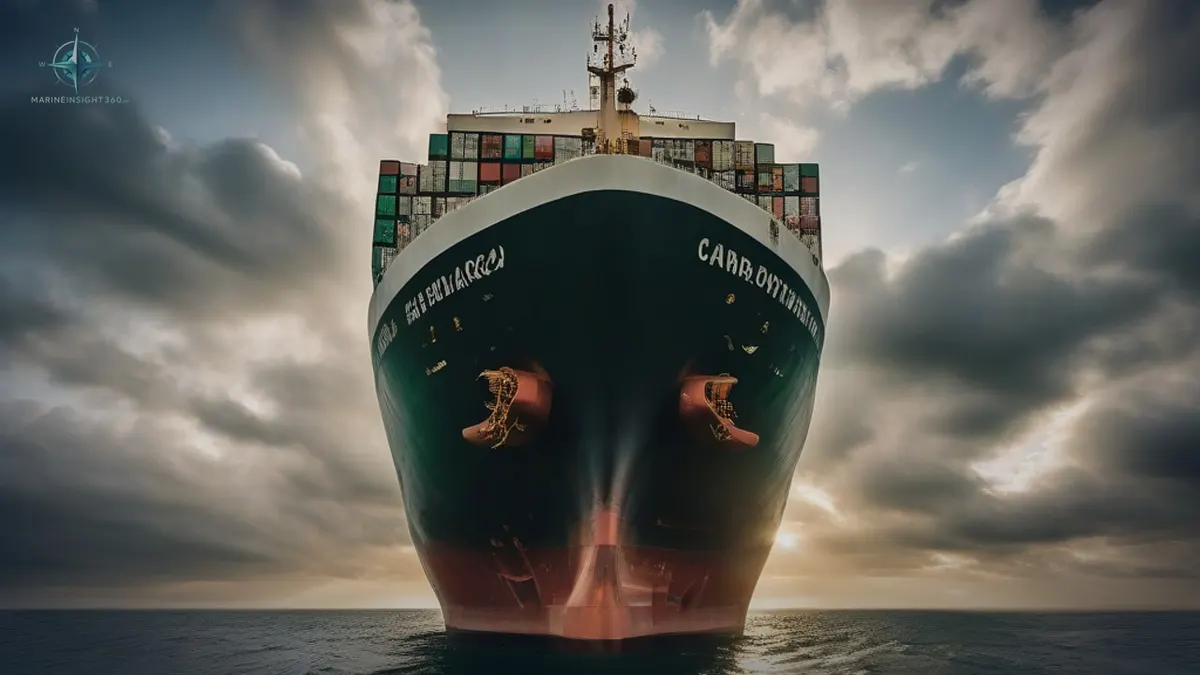
Why the First Absolute Zero‑Emission Container Ship Is a Game‑Changer
Shipping companies and shippers worldwide are racing to meet the IMO’s 2050 zero‑emission target. The announcement that Veer, a Canadian start‑up, is poised to deliver the world’s first absolute zero‑emission container vessel gives the industry a concrete benchmark to aim for. It shows that hydrogen and wind can be combined on a commercial scale, and that investors are willing to back the technology.
Veer’s Vision: A Sandbox for Clean Shipping
Founded by Daniel Southcott, Veer grew out of his earlier work building sailing cargo ships in Costa Rica. Southcott has positioned the company as a “sandbox” for new clean technologies, a statement he made to TradeWinds. The goal is to create a fleet of small (150 TEU) container ships that can serve liner services for shippers and charterers who demand a zero‑emissions supply chain.
Veer’s approach is two‑fold: it will harness wind power and hydrogen propulsion in the first draft of its design. The company also plans to develop a pipeline of innovative solutions that will be patented through an “Ocean Solutions Incubation Facility.” This dual strategy aims to keep the design flexible while protecting intellectual property.
Design Highlights: Hydrogen Meets Wind
The vessel’s propulsion system combines a hydrogen fuel cell or combustion engine with a wind‑assisted system. While the source does not detail the exact wind technology, the combination is intended to reduce fossil‑fuel consumption to zero. Hydrogen offers a clean energy source that can be produced from renewable electricity, while wind propulsion—whether via sails, rotors, or kites—provides a renewable thrust that cuts engine load.
Because the ship is only 150 TEU, the design can be more experimental than a large‑scale carrier. Small vessels are easier to retrofit and test, allowing Veer to iterate quickly and share lessons with the wider industry.
Decision Criteria for Operators and Charterers
- Emission profile – Absolute zero means no CO₂, NOₓ, or SO₂ from the vessel’s own operations.
- Operational cost – Hydrogen fuel costs and wind‑assisted efficiency must be weighed against traditional diesel.
- Infrastructure readiness – Ports need hydrogen bunkering or refueling stations, and wind‑assisted navigation requires crew training.
- Reliability – The new propulsion mix must meet schedule commitments and have proven redundancy.
Financial Landscape: Letters of Intent and Shipyard Offers
Veer has secured letters of intent worth 50 million euros (about $54 million). These commitments signal investor confidence but also highlight the capital intensity of zero‑emission vessels. Five European shipyards have offered to build the first ship, indicating that the design is within current shipbuilding capabilities.
In August of last year, Veer submitted a bid to a shipyard for its 150‑TEU “design number one.” The company is now actively seeking additional investors to raise the remaining financing needed to move from design to construction.
For shipping companies, the financial picture is two‑fold: upfront capital outlay versus long‑term fuel savings and potential regulatory incentives. Investors must assess whether the projected operational savings offset the higher initial cost of hydrogen production and wind‑assisted equipment.
Common Mistakes in Early‑Stage Green Shipping Projects
- Underestimating infrastructure gaps – Assuming all ports will have hydrogen bunkering when many do not.
- Overlooking crew training needs – New propulsion systems require specialized skills that are not yet widespread.
- Ignoring supply chain dependencies – Hydrogen production must be renewable; otherwise the zero‑emission claim weakens.
- Neglecting lifecycle assessment – The environmental benefit of the vessel depends on the entire supply chain, from construction materials to end‑of‑life recycling.
Operational Impact for Shippers, Charterers, and Crew
For shippers and charterers, a zero‑emission container ship offers a clear marketing advantage. Companies can claim carbon‑neutral transport, aligning with sustainability goals and potentially accessing green financing or tax incentives.
From a crew perspective, operating a hydrogen‑powered vessel requires new safety protocols. Hydrogen is highly flammable, so onboard storage and handling must meet stringent safety standards. Wind‑assisted navigation also demands a different skill set, as the crew must manage sails or rotor systems in addition to conventional engine controls.
Operationally, the vessel’s smaller size means it can serve niche routes or feeder services where traditional large carriers are not economical. This flexibility can open new market segments for shipping lines willing to adopt green technology early.
What This Means for the Global Shipping Community
Veer’s progress demonstrates that absolute zero‑emission container shipping is no longer a distant concept. It provides a tangible case study for other operators, shipyards, and investors to evaluate the feasibility of hydrogen and wind propulsion at commercial scale.
Shipping professionals should monitor Veer’s development closely, especially the outcomes of its first vessel’s construction and sea trials. The lessons learned will inform future vessel design, regulatory frameworks, and market adoption strategies.
To stay ahead, explore Marine Insight 360’s Marine Machinery and Shipboard Operations sections for deeper technical insights into hydrogen fuel cells and wind‑assisted propulsion systems.
Next step
Next step
For related context, compare this project with our guides to LNG propulsion systems and green shipping strategy.
Recommended Reading
Container Loading and Unloading: How Boxes Move Between Ship, Yard and Warehouse
How container loading and unloading actually works: stowage plans and cut-off dates, ship-to-shore cranes, yard handling, and stuffing at the warehouse.
Container Tracking: How Shippers Actually Follow a Box Across the Ocean
How container tracking works, from free carrier lookups to visibility platforms: what each tool layer does, what it costs, and how to pick for your volume.
Container Tracking Systems: A Comprehensive Guide
Searates container tracking is a big headache for most businesses. Fulfilling the global demand for quality goods means automating and improving the monitoring of all kinds of processes.