
Container Ship: How the Box Boat Runs World Trade
What a container ship is and how it works: TEU sizes from feeder to 24,000-box giants, who crews them, how fast they sail, and why they carry your shopping.
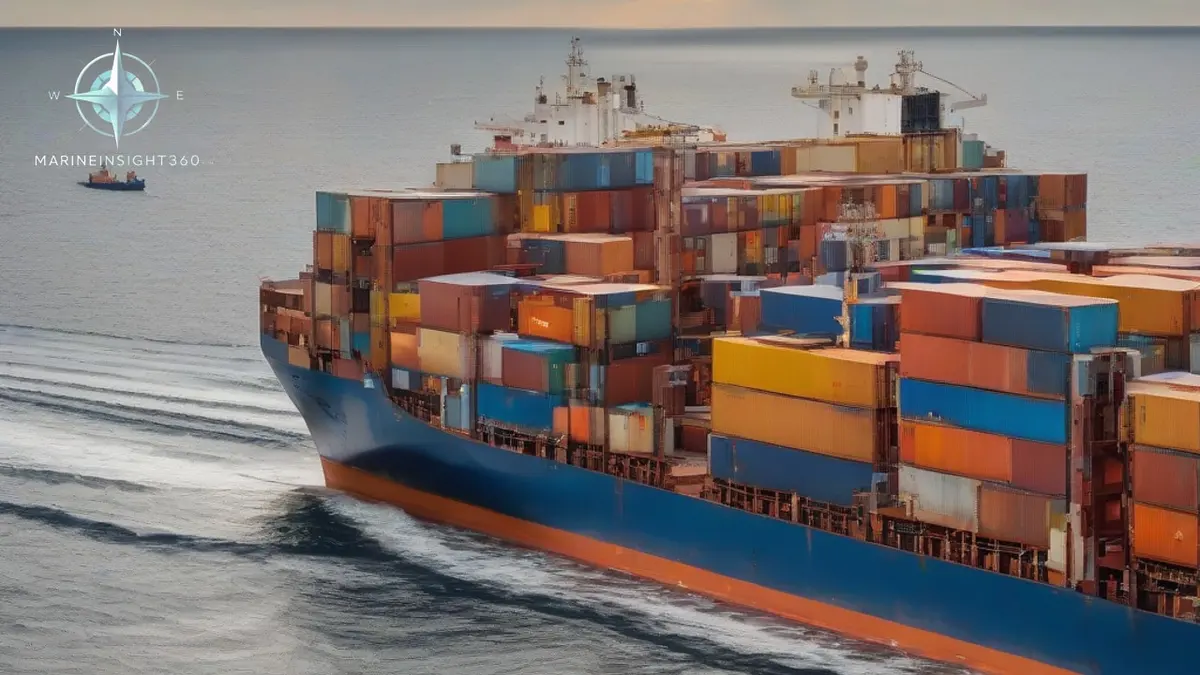
A container ship is a cargo vessel built to carry standardized steel boxes, stacked in cellular holds and on deck, so that cranes can load and discharge thousands of them in hours. Around ninety percent of the world's manufactured goods travel this way at some point, which makes the type the quiet engine of every store shelf in the United States and United Kingdom.
The idea is standardization. Because every box shares the same corner fittings and footprint, one crane, one chassis and one cell guide fit them all, and cargo handling that once took a week of manual labor now takes a shift.
How the Ship Is Measured: TEU
Capacity is quoted in TEU, twenty-foot equivalent units, the space one standard twenty-foot box occupies. A forty-foot box counts as two. The measure lets owners, ports and charterers compare vessels instantly: a 2,000 TEU feeder and a 24,000 TEU giant are the same concept at different scales. The largest class afloat, led by ships like MSC's biggest series, carries on the order of 24,000 TEU, a stack of boxes that would stretch dozens of miles if lined up on trucks.
The Size Ladder
- Feeders, up to about 3,000 TEU: the regional distributors, shuttling boxes between hub ports and smaller harbors.
- Panamax and neo-Panamax, roughly 4,000 to 14,000 TEU: sized to canal locks, the workhorses of mid-size trades.
- Ultra-large vessels, 18,000 TEU and up: the Asia-to-Europe giants, restricted to the deepest ports with the biggest cranes.
Bigger is cheaper per box but less flexible, and the industry keeps rebalancing between the two.
Life and Work On Board
A modern container ship sails with a crew of roughly twenty to twenty-five people, which surprises most visitors given the ship may be 400 meters long. Automation explains the number: one enormous engine, unattended machinery spaces at night, and no cargo gear to work at sea. The rhythm is port-intensive; sea passages are the calm part, while port calls compress cargo operations, inspections and storing into a day or less.
Officers plan stowage so the ship stays stable, the reefers stay powered, dangerous goods stay separated, and the boxes for the next port sit on top.
Speed, Fuel and Cost
Service speeds today sit around 16 to 20 knots, deliberately below the 25 knots these hulls managed before fuel prices and emissions rules made slow steaming standard. A large new vessel costs in the region of 150 to 200 million US dollars, and lines commit to them in series, betting a decade ahead on trade volumes. Those bets ripple to consumers: when capacity is tight, freight rates multiply, and when it is loose, the same voyage can run below cost.
The container freight market is famously the most volatile part of shipping.
Why the Type Keeps Winning
The box network is a system, not a ship: standardized containers, cellular vessels, dedicated terminals, rail links and chassis pools all speak the same dimensional language. That system moves a pair of sneakers from an Asian factory to a shop in London or Chicago for a freight cost measured in cents. Nothing else in transport history has cut the price of distance so hard, which is why the fleet keeps growing and the ports serving it keep digging deeper channels.
Quick Answers
- How many containers fall overboard? Industry surveys count a few hundred to a couple of thousand boxes lost in a typical year, a tiny fraction of the roughly 250 million moves made annually, though bad winters spike the number.
- How long does an Asia to US crossing take? Around two to three weeks port to port across the Pacific, depending on route, speed and congestion.
- How big is the biggest one? The largest class runs about 400 meters long with capacity around 24,000 TEU, longer than four soccer pitches.
- Who operates the biggest fleets? A handful of global lines, led by MSC and Maersk, control most of the capacity through fleets and alliances that share vessels and port calls.
- Why is the freight so cheap? Scale and standardization: one crew and one engine move tens of thousands of tonnes, and every port in the network handles the same box the same way.
What to do next
These guides continue the container story:
Recommended Reading
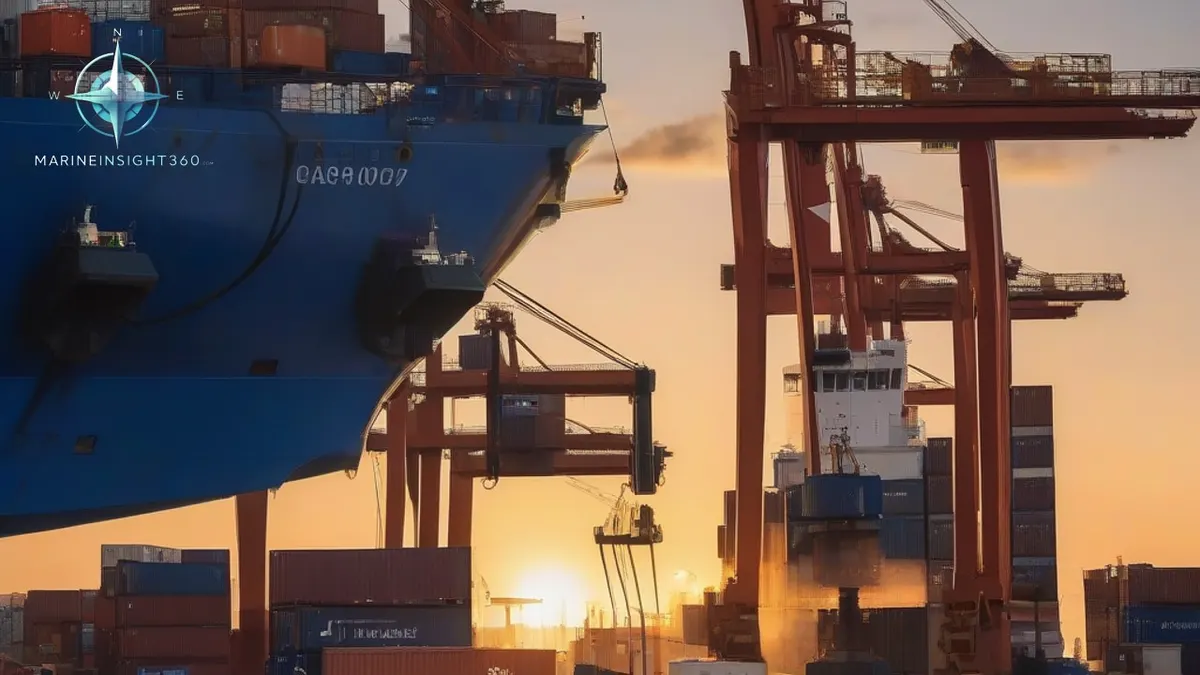
Container Loading and Unloading: How Boxes Move Between Ship, Yard and Warehouse
How container loading and unloading actually works: stowage plans and cut-off dates, ship-to-shore cranes, yard handling, and stuffing at the warehouse.
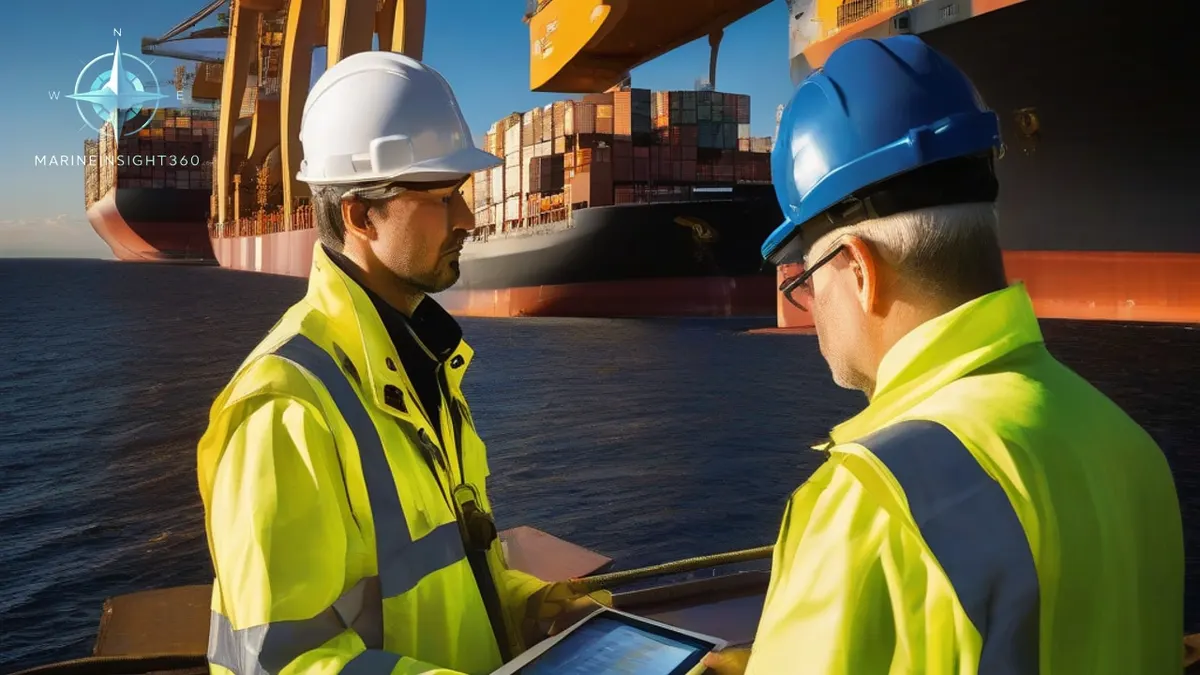
Container Tracking: How Shippers Actually Follow a Box Across the Ocean
How container tracking works, from free carrier lookups to visibility platforms: what each tool layer does, what it costs, and how to pick for your volume.
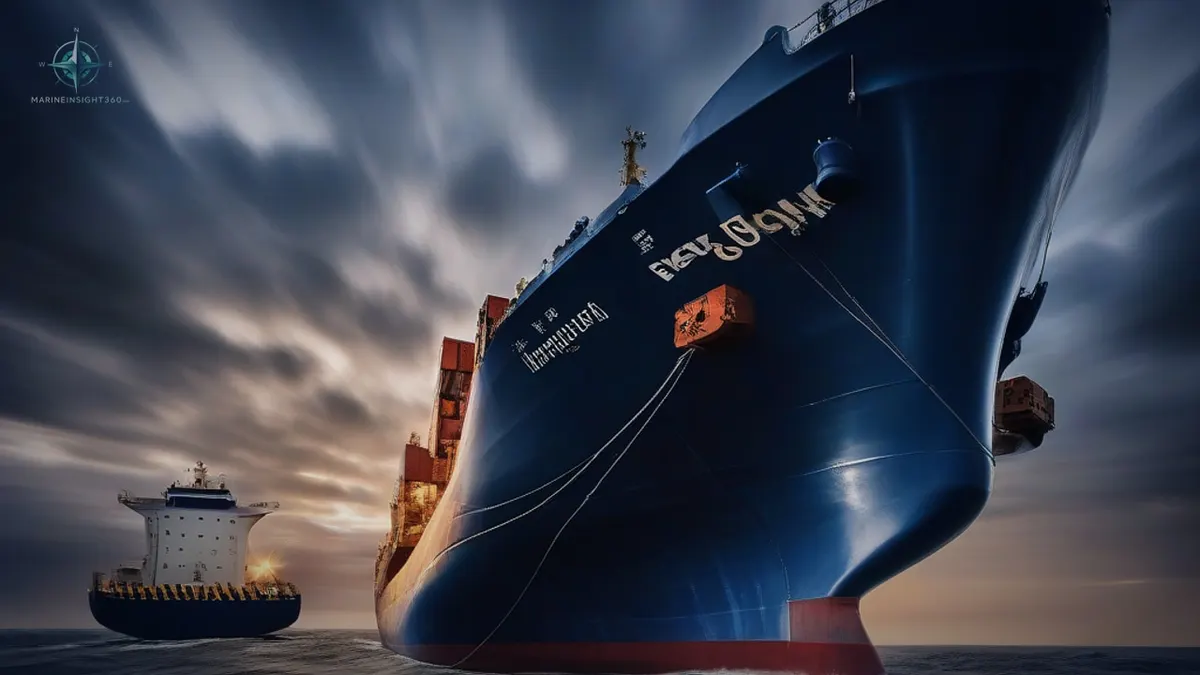
Ro-Ro Ships: How Roll-On Roll-Off Vessels Work and Why They Dominate Vehicle Trade
How ro-ro ships work: ramps, decks and lane meters, the difference between PCTC, ConRo and RoPax types, and the stability risks unique to roll-on roll-off.