
What Are Fishing Nets Made Of? Materials, Trade-offs and Ocean Impact
What fishing nets are made of today: nylon, polyethylene and polypropylene, why synthetics replaced natural fibers, and the ghost gear problem.
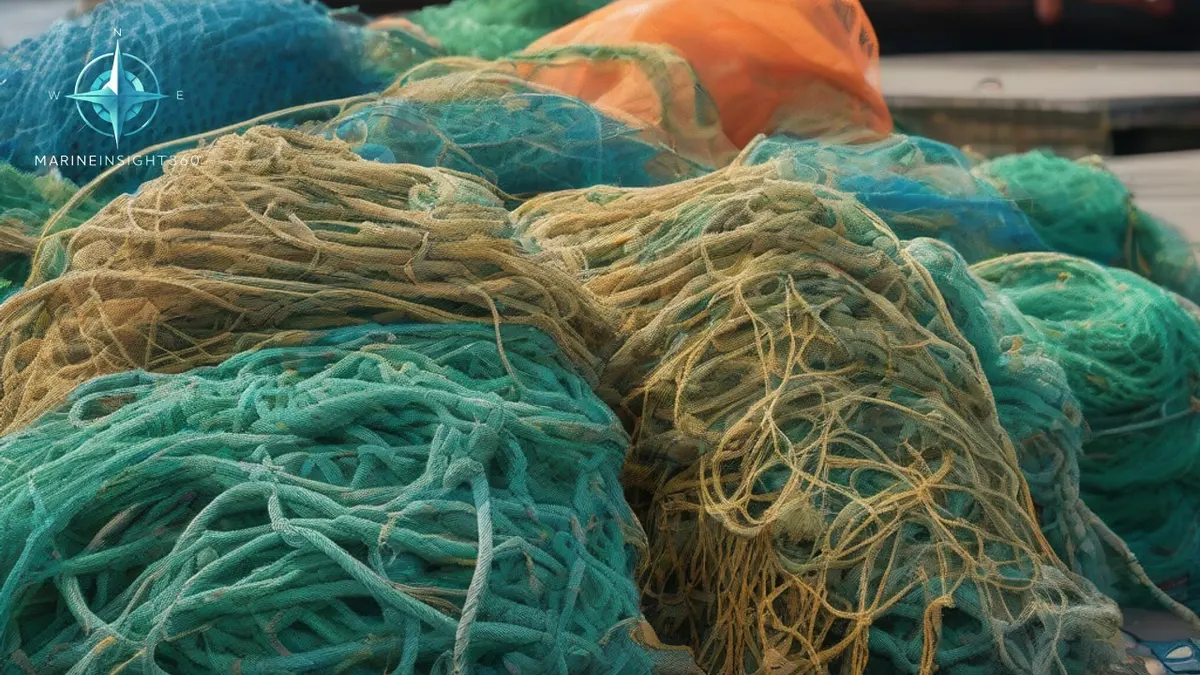
What are fishing nets made of? Almost every commercial net in service today is made of synthetic plastic: nylon (polyamide), high density polyethylene (HDPE) or polypropylene (PP). Before the 1950s, nets were made from natural fibers such as cotton, hemp and coconut fiber. The switch to synthetics gave fishermen gear that is stronger, cheaper and far more durable.
That durability is also why lost nets have become one of the most damaging forms of marine debris, and why regulators such as NOAA Fisheries in the United States and the EU now require fishing gear to be marked and lost gear reported.
The main materials modern fishing nets are made of
Three polymer families dominate netting, and each earns its place for different reasons.
- Nylon is strong, elastic and slightly denser than seawater, so it sinks. Monofilament nylon is nearly invisible in the water, which makes it the standard choice for gillnets. Multifilament nylon twine builds the large, flexible walls of purse seine nets.
- High density polyethylene resists abrasion, floats and costs less than nylon. It is widely used in trawl netting that gets dragged across the seabed, and in aquaculture cage netting that must survive years of immersion.
- Polypropylene is the lightest of the three and also floats. It appears in ropes, headlines and combination twines rather than in fine mesh.
At the premium end, some large trawls and cage nets use ultra high molecular weight polyethylene, a fiber with exceptional strength for its weight. It allows thinner twine, which cuts drag and fuel burn on a trawler, at a noticeably higher purchase price.
How the fishing method decides the material
Gear designers start from the catching method, not the polymer catalog. A gillnet works by being invisible, so it needs fine monofilament nylon that fish swim into. A bottom trawl works by being dragged, so abrasion resistance beats invisibility and HDPE wins. A purse seine must be shot fast, hold a school of tuna under load and be hauled back through a power block, so soft, strong nylon multifilament is the standard.
Construction details matter as much as fiber choice. Knotted netting is the traditional form and is easy to repair at sea. Knotless netting is smoother, kinder to the catch and creates less drag, which is why aquaculture and some midwater trawls prefer it.
Why natural fibers disappeared after the 1950s
Cotton and hemp nets rotted. They absorbed water, grew heavy, weakened in sunlight and needed constant drying and tarring between trips. A cotton gillnet might last a season or two with careful maintenance. When synthetic twines became affordable after the Second World War, they solved every one of those problems at once, and within two decades natural fiber netting had all but vanished from commercial fleets.
The trade-off only became clear later. A hemp net that went overboard decayed within months. A nylon or HDPE net that goes overboard keeps its strength for years and can persist in the ocean, in fragments, for far longer.
Ghost gear: when durable nets become a problem
Fishing gear that is abandoned, lost or discarded at sea is called ghost gear, and the US National Oceanic and Atmospheric Administration (NOAA) identifies derelict fishing gear as among the most harmful forms of marine debris. A lost gillnet keeps doing exactly what it was designed to do: it catches fish, along with turtles, seabirds and marine mammals, with no one hauling it back.
Because the netting is plastic, the problem does not end when the net finally breaks up. Sunlight, salt and abrasion split synthetic netting into fragments, and those fragments feed the microplastic load that ends up inside fish and other marine organisms.
Recycling and the search for biodegradable netting
Two responses are gathering pace. The first is recycling: nylon 6 netting can be chemically processed back into caprolactam, the raw material for new nylon, and recovered nets now feed regenerated nylon supply chains for clothing and consumer goods. Port collection schemes and gear buy-back programs supply the raw material.
The second is biodegradable gear. Researchers have trialed gillnets made from biodegradable polymer blends that lose strength and break down after a defined period in seawater. The engineering challenge is real: a net that degrades too fast loses catch, and published trials show knot strength and durability still trail conventional nylon. Gear marking, better stowage and reporting of lost gear remain the practical measures skippers can apply today.
The Marine Insight 360 Ocean & Environment section tracks marine plastic and ghost gear developments in more depth, including port reception and recycling schemes.
The rules have a home. MARPOL Annex V, the IMO instrument covering garbage from ships, prohibits the discharge of fishing gear into the sea and requires accidental loss to be reported to the flag state, and to the coastal state whose waters the loss threatens. Marking gear so a recovered net can be traced back to its owner is the enforcement mechanism behind that.
Where it breaks down is at the point of loss. A net parted in bad weather or cut free from a snag is rarely reported, because reporting takes time and the skipper is already down a day of fishing. Port reception facilities that charge for landing damaged gear push the same way. Free reception and simple reporting are what actually shift the numbers.
Sources and further reading
- NOAA: Marine Debris - Derelict Fishing Gear
- Olive Ridley Project: What are ghost nets made of?
- ScienceDirect: Biodegradable fishing gears - a potential solution to ghost fishing
What to read next
Recommended Reading

Container Tracking: How Shippers Actually Follow a Box Across the Ocean
How container tracking works, from free carrier lookups to visibility platforms: what each tool layer does, what it costs, and how to pick for your volume.
The Hull of a Ship: Purpose, Design and the Trade-offs Behind It
What a ship hull does, how naval architects shape it, and why block coefficient, bulbous bows, stern form and double hulls change fuel burn and survivability.
Chinese-Built Containership Fines Could Force Ocean Carriers Out of U.S. Trade
Chinese-Built Containership Fines Could Force Ocean Carriers Out of U.S. Trade: ports, trade and shipping-market context for US, UK, Canada, Australia,...