
What Are Masts on a Ship? Purpose, Types and Modern Design
What masts are on ships: their purpose on sailing and motor vessels, common types and materials, and how modern mast design has changed.
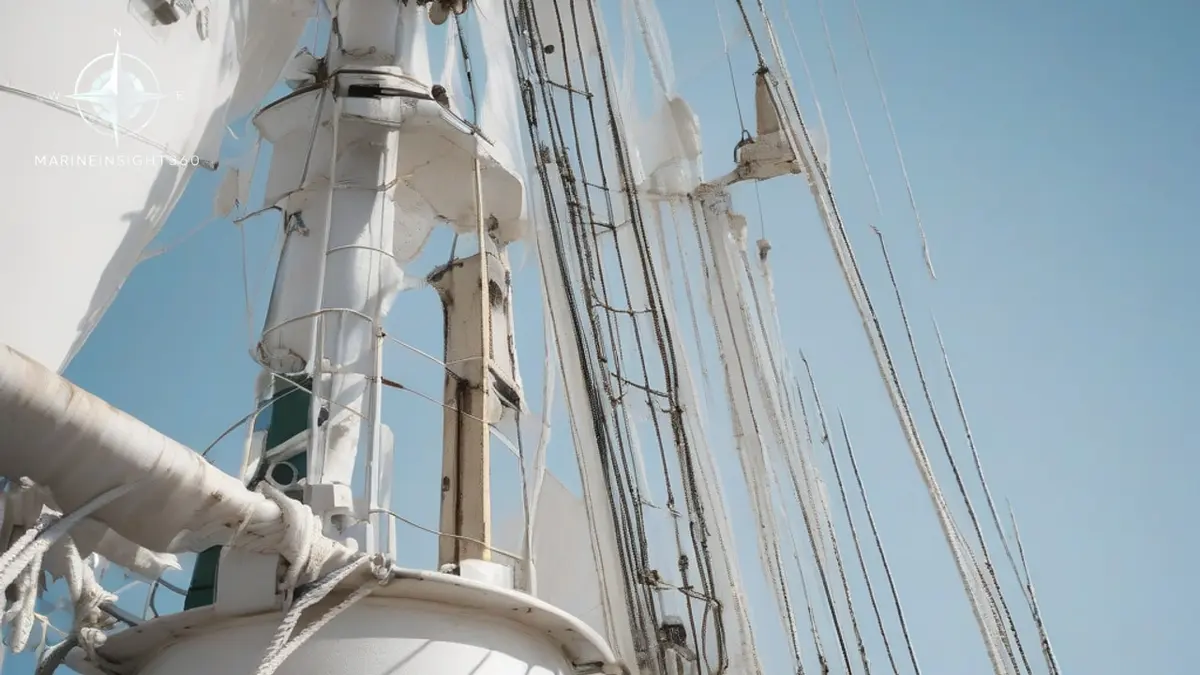
What are masts? They are the vertical spars or structures that rise from a vessel's deck or superstructure. On sailing ships, masts carry the sails and the rigging that supports them. On modern motor ships no sail is set, yet masts survive because ships still need height: for navigation lights, radar scanners, radio and satellite antennas, signal flags and the whistle.
Every commercial vessel afloat today carries at least one, and USCG, MCA and AMSA inspectors check the lights and shapes it displays during port state control.
What masts do on a modern merchant ship
The clearest way to understand a mast is to list what is bolted to it. On a typical cargo ship you will find:
- Navigation lights required by the COLREGs, the international collision regulations. The white masthead light must show over an arc of 225 degrees facing forward, which is why it sits high on the centreline where nothing blocks it.
- Radar scanners , mounted high to extend detection range and reduce blind sectors caused by deck cranes and containers.
- Antennas for VHF radio, AIS, GPS and satellite communication domes, all of which perform better with clear sky view.
- Signal halyards for hoisting flags, and fittings for the day shapes, the black balls, cones and diamonds that signal a vessel's status.
- The whistle and, on many ships, floodlights for deck work.
Most cargo ships carry a foremast near the bow and a main mast above the accommodation block aft. The forward mast also gives the bridge team a visual reference for judging the ship's head when maneuvering.
Mast names on traditional sailing ships
Sailing vessels gave us the vocabulary still in use. On a three-masted ship, the masts from bow to stern are the foremast, the mainmast and the mizzenmast, with the mainmast the tallest. Large square riggers built each mast in sections: the lower mast, the topmast above it and the topgallant mast above that, joined at platforms called tops.
Rig type follows mast count and sail plan. A sloop carries one mast. Ketches and yawls carry two, with the smaller mizzen aft. Schooners carry two or more with the after mast at least as tall as the forward one. These distinctions still matter to anyone working on sail training vessels, superyachts or the growing number of wind-assisted commercial ships.
From timber to steel and aluminum
Early masts were single tree trunks, and as ships outgrew available timber, shipwrights built masts from multiple shaped pieces banded together. Iron and then steel took over in the late nineteenth century as sailing ships grew to their largest sizes.
Aluminum masts appeared on large racing yachts in the 1930s and had largely displaced wood in yacht construction by the 1960s. Modern merchant ship masts are welded steel structures, often plated boxes rather than poles, sized to carry equipment loads and to resist vibration. High-end racing yachts have moved on again, to carbon fiber, where stiffness and weight decide races.
Modern and specialized mast designs
Mast design has become an engineering discipline of its own. Navies increasingly build integrated masts: enclosed towers that house radar and communication sensors behind flat panels, which cuts radar cross-section and puts sensitive electronics in a controlled environment.
Merchant designers face different constraints. A container ship's forward mast must be tall enough to meet light and visibility rules over a deck stacked with boxes, yet the whole ship must still pass under bridges at ports the owner wants to serve, so air draft sets a hard ceiling. River-sea vessels solve the same conflict with hinged masts that fold down for bridge transits.
Designers also position masts so radar blind sectors fall where they do least harm, and fit ladders and platforms because every light and antenna up there eventually needs a technician.
A common mistake among newcomers is to treat the mast as a leftover from the age of sail. It is closer to the ship's rooftop utility tower, and when a masthead light fails or a radar loses its picture, it becomes the most important structure on board. The Marine Insight 360 Knowledge Base explains the related COLREG light and shape requirements in detail.
Sources and further reading
- Wikipedia: Mast (sailing)
- Wikipedia: Mast (naval)
- CIMSEC: Integrated Masts - The Next Generation Design for Naval Masts
What to read next
Recommended Reading
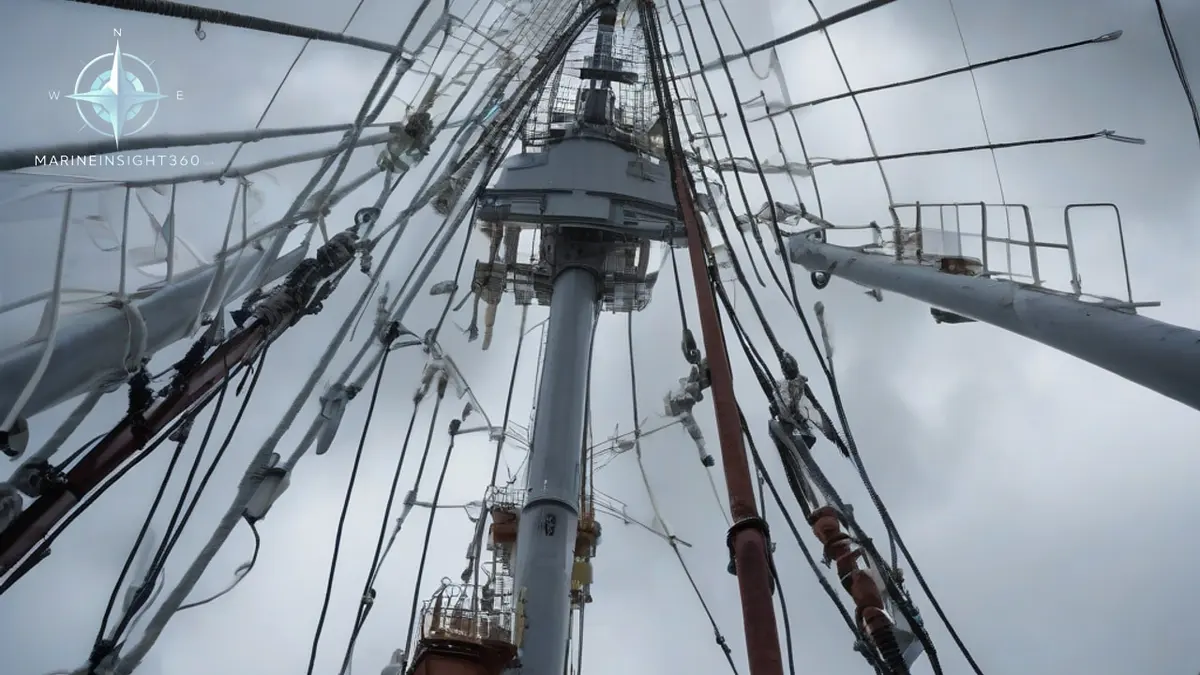
What Does Masts Mean on a Ship? Types, Parts and Modern Uses
Masts are the vertical spars or structures on a ship centerline. Traditional mast names, what modern masts carry, and the safety rules for going aloft.
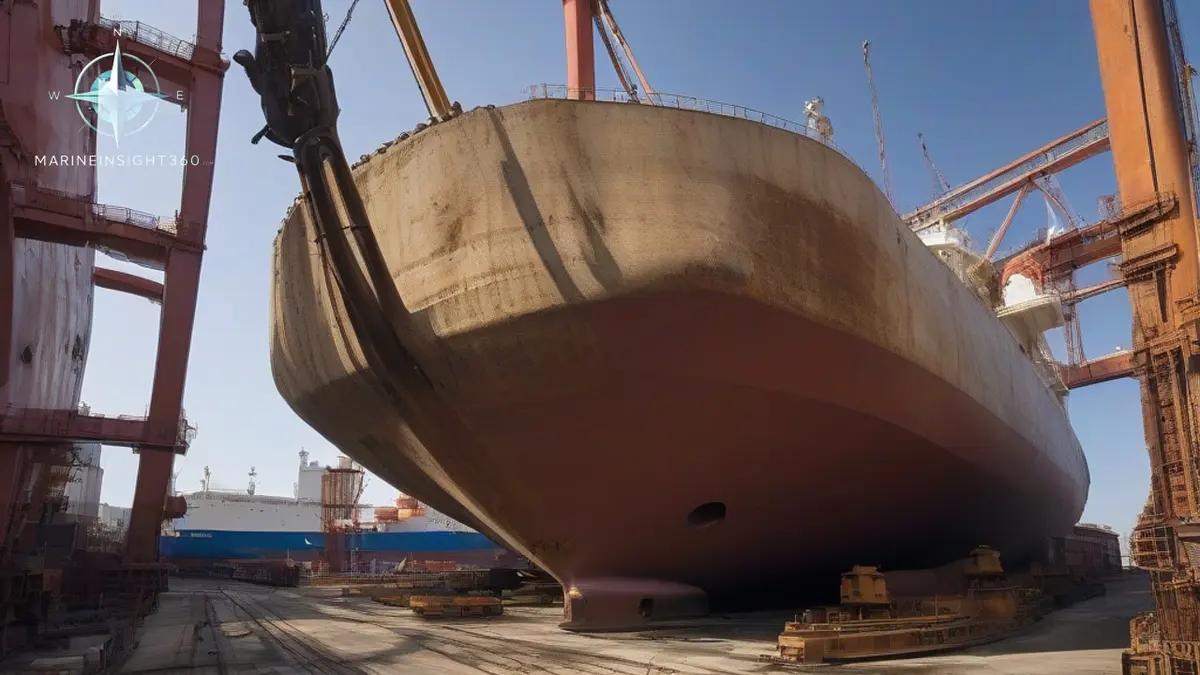
The Hull of a Ship: Purpose, Design and the Trade-offs Behind It
What a ship hull does, how naval architects shape it, and why block coefficient, bulbous bows, stern form and double hulls change fuel burn and survivability.
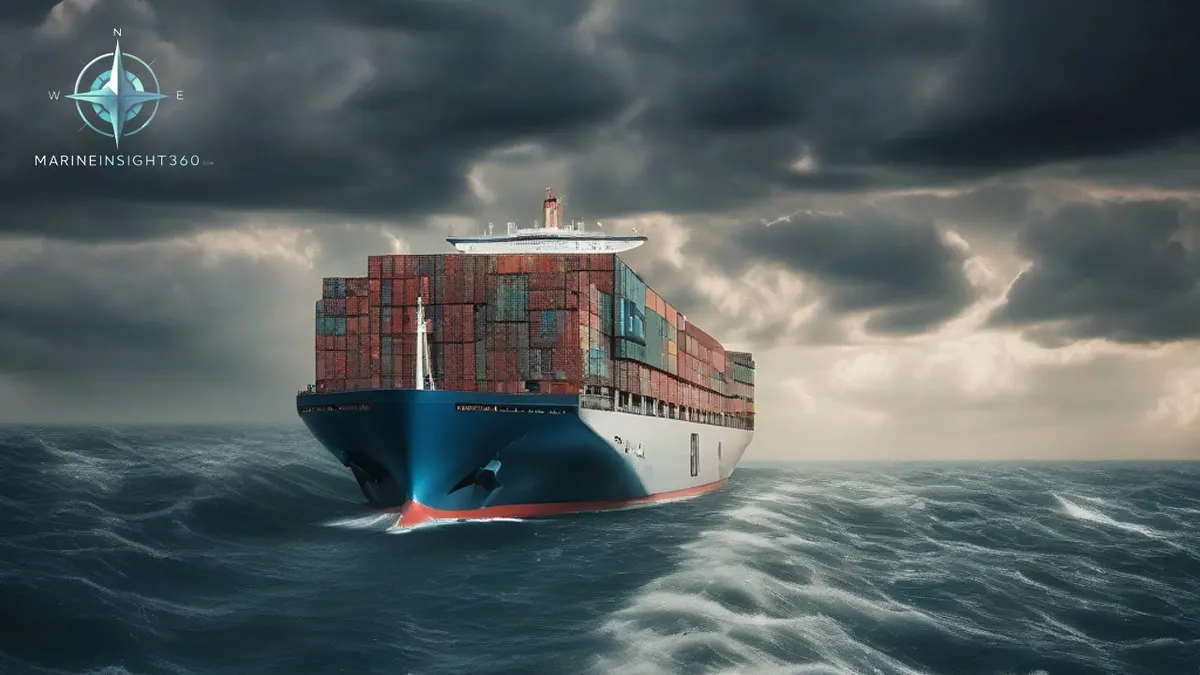
The Role of Hydrodynamics in Modern Ship Design
Imagine standing on the deck of a massive container ship as it slices through the ocean, moving thousands of tons of cargo with surprising grace and…