
What Are Pyrotechnics on Ships?
What Are Pyrotechnics on Ships?: safety, training and compliance context for US, UK, Canada, Australia, Singapore and European maritime readers.
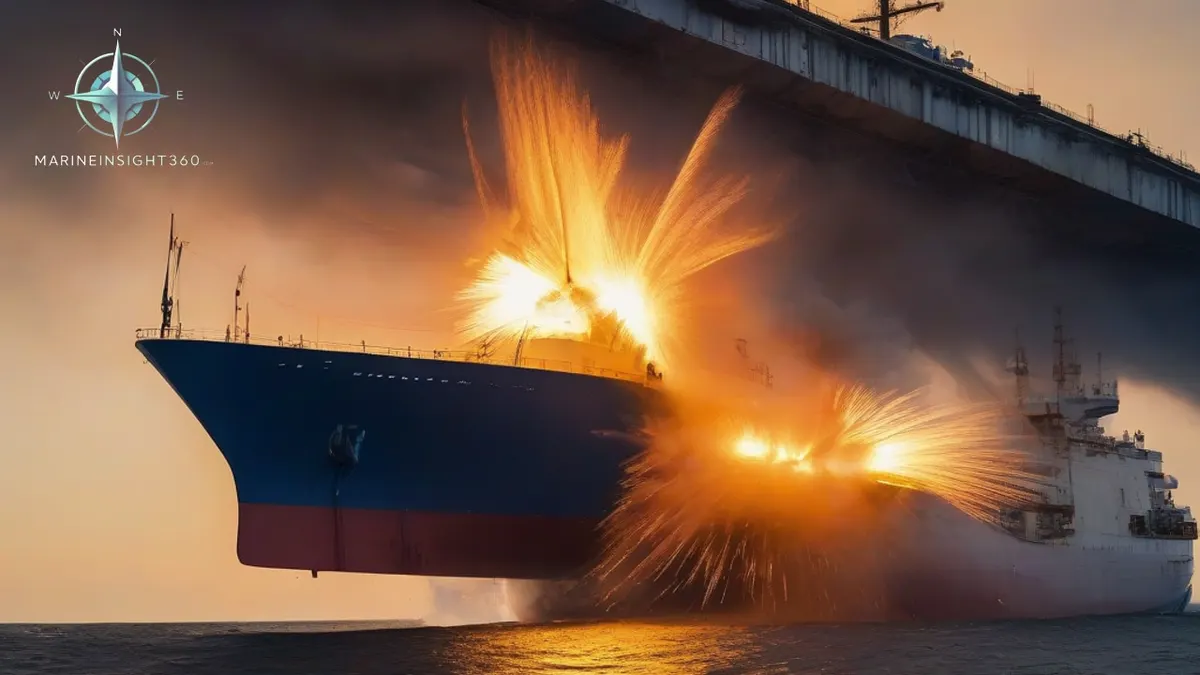
Pyrotechnics on ships are emergency distress signaling devices used to attract attention and request assistance during life-threatening situations at sea. These devices produce bright light, smoke, or both, making them visible from long distances—even in poor weather or low visibility.
They are a mandatory part of a ship’s lifesaving equipment under international maritime safety regulations.
Why Are Pyrotechnics Important?
At sea, communication systems can fail, and ships may be far from immediate help. In such situations, visual distress signals are crucial.
Pyrotechnics help:
- Alert nearby ships
- Guide search and rescue aircraft
- Mark the position of lifeboats or liferafts
- Signal distress when abandoning ship
They are especially vital when radio communication is unavailable.
Main Types of Pyrotechnics on Ships
1. Rocket Parachute Flares
These are high-altitude distress flares that:
- Rise up to 300 meters or more
- Burn brightly (usually red)
- Remain visible for several seconds
They are used for long-range signaling.
2. Hand Flares
Hand-held flares:
- Burn intensely bright red
- Last for about one minute
- Are used to attract attention of nearby vessels
They are commonly carried in lifeboats and liferafts.
3. Buoyant Smoke Signals
These produce thick orange smoke and:
- Float on water
- Remain visible for several minutes
- Are mainly used during daylight
They help rescuers identify exact positions.
Where Are Pyrotechnics Stored?
Pyrotechnics are usually kept:
- On the bridge
- Inside lifeboats and liferafts
- In clearly marked, waterproof containers
They must be easily accessible during emergencies.
Safety Precautions
Pyrotechnics contain combustible materials and must be handled carefully:
- Never use unless in genuine distress
- Follow instructions printed on the device
- Keep away from face and body
- Check expiry dates regularly
Expired flares must be disposed of safely according to regulations.
Regulatory Requirements
Under the SOLAS Convention , ships must carry specific quantities and types of distress pyrotechnics depending on vessel size and type.
Regular inspections ensure that:
- Flares are not expired
- Storage is safe
- Quantities meet regulatory standards
Pyrotechnics vs Electronic Distress Signals
While modern ships use devices like EPIRBs and AIS-SARTs, pyrotechnics remain essential because:
- They provide immediate visual confirmation
- They do not rely on satellite systems
- They work even if electronic systems fail
They act as a critical backup in emergencies.
Final Thoughts
Pyrotechnics on ships are simple yet powerful lifesaving tools. From rocket flares to smoke signals, these devices help rescuers locate vessels and survivors quickly.
Every seafarer must know how to use them properly, as they can make the difference between delayed rescue and immediate assistance.
Operational context
Onboard use of pyrotechnics on ships depends on the vessel's safety management system, watchkeeping routine, cargo plan, weather, port instructions and the master's standing orders. A good article can explain the principle, but the crew still needs to apply it through the vessel's approved procedures.
What to verify next
- Check whether pyrotechnics on ships affects safety, commercial planning, crew training, documentation or compliance.
- Confirm the latest company procedure, manual, port instruction or training requirement before acting.
- Link this page with one related article or knowledge-base topic so readers can continue their research naturally.
Recommended Reading
Iran retaliates with missiles and drones, defying Trump’s warning
Learn iran with practical maritime context, safety checks, operational guidance and related resources for global shipping readers.
Hapag-Lloyd Invests in APM Terminals Rotterdam to Drive Growth
Hapag‑Lloyd’s new stake in APM Terminals Rotterdam aims to expand capacity, improve hinterland links and enhance crew efficiency in Europe’s busiest port.
Saildrone Completes Missile Launch Test Aboard its Sail-Powered Surveyor
Saildrone’s autonomous vessel successfully launched a missile‑type payload, showing new possibilities for armed surveyors and implications for shipping operator