
What Happens On A Fishing Vessels?
For most people, seafood appears magically on grocery store shelves or restaurant plates—beautifully packaged, perfectly portioned, ready to cook. But…
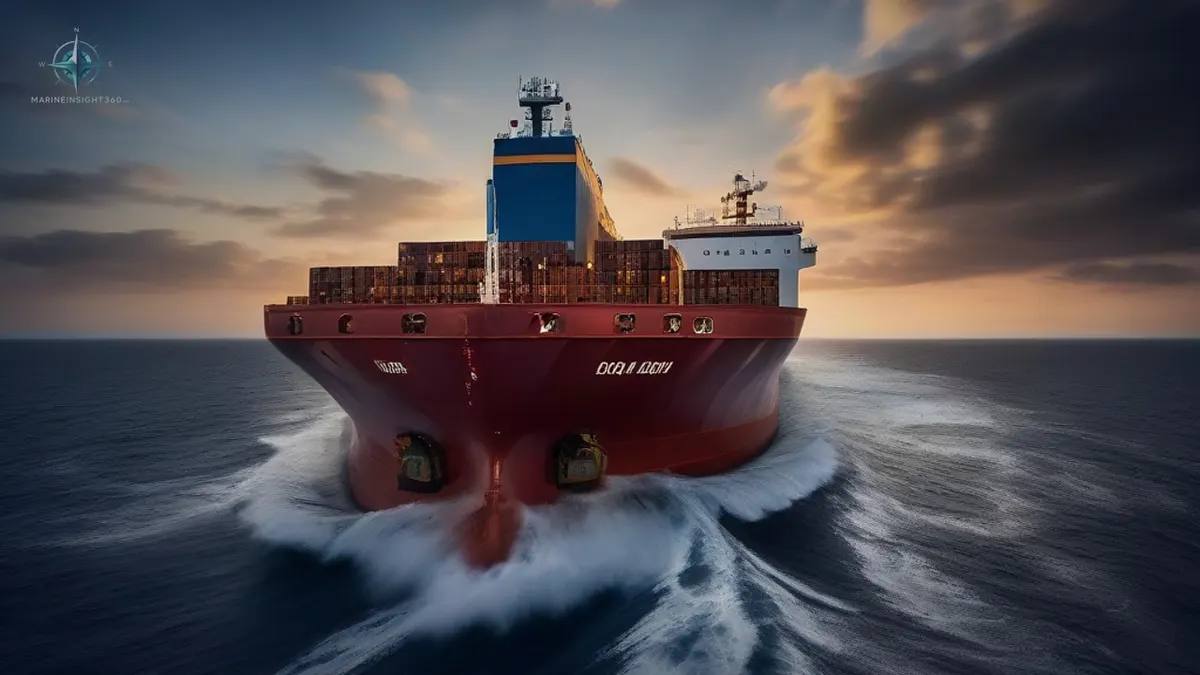
Life on commercial fishing vessels runs on 14 to 20 hour days in which crews set and haul gear, then sort, measure, ice or freeze the catch, on trips that are days long inshore and weeks or months offshore.
COMPREHENSIVE ARTICLE: What Happens On A Fishing Vessels?
Introduction: Behind the Scenes of the Maritime Harvest
For most people, seafood appears magically on grocery store shelves or restaurant plates, beautifully packaged, perfectly portioned, ready to cook. But between the ocean depths and your dinner table lies an extraordinary journey that most marine lovers never witness. It is the demanding, dangerous, and absolutely fascinating world of commercial fishing vessels. Understanding what happens on these vessels reveals more than where our seafood comes from, showing the incredible human effort, sophisticated technology, and rigorous operations that make modern commercial fishing possible.
According to the FAO, the world's fishing fleet consisted of about 4 million vessels, of which 2.7 million were undecked (open) boats.ScienceDirect The fleet runs from small coastal skiffs operated by a single fisherman to massive 300-foot factory trawlers that stay at sea for months. Fishing vessels represent one of humanity's oldest yet continuously evolving industries. These floating workplaces combine brutal physical labor with cutting-edge technology. They pair traditional knowledge with modern engineering, and constant danger with essential economic activity.
You may be a marine enthusiast curious about the industry, considering a career at sea, or simply wondering how your favorite fish makes it to market. This comprehensive guide takes you inside the daily operations, crew dynamics and processing methods. It also covers the hidden realities of life aboard fishing vessels. Prepare to discover a world that's far more complex, challenging, and technologically advanced than most people imagine.
H2: Types of Fishing Vessels—A Diverse Fleet
H3: Small-Scale and Artisan Fishing Vessels
Not all fishing vessels are industrial giants. Artisan fishing is small-scale commercial or subsistence fishing, particularly practices involving coastal or island ethnic groups using traditional fishing techniques and traditional boats.ScienceDirect These operations represent the fishing industry's grassroots. They are small boats operated by individual families or small crews, many of them using methods passed down through generations.
Near-shore vessels comprise the largest portion of the fleet. They operate during the summer months and concentrate on the herring and salmon fisheries. The majority of these are smaller vessels such as gill-netters, purse seiners, and hand and power trollers, averaging in size from 20 to 60 feet.ScienceDirect These smaller fishing vessels might spend just a few hours to a full day at sea, returning each evening to sell their catch at local docks.
Life aboard these smaller vessels is intimate and intense. Crews typically consist of just one to five people, often family members or close friends. The work demands versatility, and each crew member must be capable of handling navigation, gear deployment, catch sorting, and equipment maintenance. Privacy is virtually nonexistent, and mechanical problems can quickly end a fishing trip or worse.
H3: Offshore and Deep-Sea Commercial Vessels
Offshore vessels are larger vessels that vary in size, and they dominate the deeper offshore reaches of the coastal waters. The area or zone where fishing takes place is commonly referred to as the Exclusive Economic Zone (EEZ) or the Fisheries.ScienceDirect These vessels represent a dramatic step up in scale, capability, and operational complexity.
Offshore fishing vessels range from 80 feet to over 300 feet in length, and can include stern trawlers, longliner vessels, and purse seiners equipped for extended voyages. Trawlers often run round-the-clock schedules to increase catch volume and take advantage of fish behaviors. Working at night complicates net monitoring, tow-path navigation, and deck safety when visibility is low.Cashlesstime These vessels may stay at sea for weeks or even months, venturing hundreds of miles from port to reach productive fishing grounds.
The crew size on offshore vessels typically ranges from five to fifty people, depending on the vessel's size and capabilities. The size of the vessel has little bearing on the number of fishers or deck crew required for the various fisheries. A trawler of 160 feet in length, for example, can operate efficiently with a crew complement of five. That is about the same number needed for a 58-foot purse seiner in the near-shore fishery.ScienceDirect
H3: Factory Ships—Floating Processing Plants
At the top of the fishing vessel hierarchy sit factory ships, extraordinary vessels that combine fishing capability with onboard processing facilities. A factory ship, also known as a fish processing vessel, is a large ocean-going vessel with extensive on-board facilities for processing and freezing caught fish or whales. Modern factory ships are automated and enlarged versions of the earlier whalers.Global Security
Onboard seafood processing refers to the practice of processing seafood directly on the fishing vessel, rather than after the catch has been brought to shore. The main advantage is the immediate preservation of the seafood at its freshest state right after capture, which enhances the quality and prolongs the shelf-life of the products.ResearchGate This capability allows vessels to remain at sea far longer than traditional wet fish trawlers, maximizing their time on productive fishing grounds.
State-of-the-art equipment and pioneering technologies are fitted aboard modern factory vessels. They allow crews to harvest, process, and freeze their catch while still at sea, locking in freshness, taste, and nutrition.Wikipedia These massive vessels employ crews of 50 to 150 people or more, divided between deck operations, processing facilities, engine rooms, and support services.
H2: Daily Life Aboard Fishing Vessels—Reality at Sea
H3: The Typical Day for Crew Members
Ask anyone who has never worked aboard a fishing vessel what a typical day looks like, and they'll likely imagine peaceful hours on deck watching the ocean. The reality couldn't be more different. A typical deckhand on a charter boat works about 14–18 hours a day, seven days a week, for seven months a year. The fishing part of the day is typically less than 10 hours, with the rest spent prepping the boat, cleaning fish, and cleaning the boat.VICUSdt
A commercial fisherman's day starts with checking weather, tides, and Notices to Mariners to confirm safe, legal fishing conditions. Gear is then inspected and prepared, including nets, longlines, pots/traps, hooks, buoys, and winches. Fueling, provisioning, and stocking ice or refrigeration supplies follow, and bait is loaded if needed.Sener This pre-departure checklist isn't optional—it is essential for safety and success.
Once underway, the work intensifies. Fishing deckhands perform the everyday tasks of baiting and setting lines or traps. They haul in and sort the catch, and maintain the boat and fishing gear. They also secure and remove mooring lines when docking or undocking the boat.D1meba Between active fishing operations, crew members maintain equipment and monitor weather conditions, and prepare for the next deployment of gear.
On a longline boat, expect to work between 14 and 20 hours a day, depending on conditions and the catch. Longlining trips typically last between 6 and 28 days. Trips of 60 days or longer are possible on some of the largest boats.VICUSdt Sleep becomes a precious commodity, grabbed in short intervals between watches and gear deployments.
H3: Living Conditions and Accommodations
The glamorous image of life at sea quickly fades against the reality of living conditions aboard working fishing vessels. Onboard smaller vessels, the crew will eat, relax, and sleep with very little privacy. Toilet facilities on some vessels are either non-existent or somewhat exposed to other crew members. On others there is a shower and toilet for individual use.ScienceDirect
Although fishing gear has improved and operations have become more mechanized, netting and processing fish are nonetheless strenuous activities. Newer vessels have improved living quarters and amenities, yet crews still experience the aggravations of confined quarters and the absence of family.Cadence The psychological challenge of isolation shouldn't be underestimated. Responsible fishing vessels ensure crew has access to a confidential communication link, mitigating the risk of isolation.MDPI
Meals aboard fishing vessels vary dramatically by vessel size and quality. Larger vessels often employ dedicated galley staff who prepare three meals daily for the entire crew. The galley staff cooks meals for the crew, does laundry, and cleans the ship.Wikipedia On smaller vessels, crew members might rotate cooking duties, or survive on simple, quickly prepared foods that can be eaten between work shifts.
H2: Fishing Operations—The Core Mission
H3: Navigation and Fish Finding
Modern fishing vessels bear little resemblance to their predecessors from even a few decades ago. The fishing boat captain plots the vessel's course using compasses, charts, and electronic navigational equipment. That equipment includes loran systems or GPS navigation systems, and the captain also uses radar and sonar to avoid obstacles above and below the water and to detect fish.Wärtsilä
Modern trawlers make extensive use of contemporary electronics, including navigation and communication equipment, fish detection devices, and equipment to control and monitor gear.Engineerine Fish-finding sonar can detect schools of fish hundreds of feet below the surface, displaying their depth, density, and movement patterns on sophisticated color displays in the wheelhouse.
Sophisticated tracking technology allows captains to better locate schools of fish. The captain directs the fishing operation through subordinate officers and records daily activities in the ship's log.Wärtsilä This combination of experience, local knowledge, and technology determines the difference between a successful voyage and a financial disaster.
H3: Deploying and Retrieving Fishing Gear
The specific methods used aboard fishing vessels vary dramatically, and target species, regulations, and vessel design all shape the choice. Trawlers use large cone-shaped nets, either bottom trawls dragged along the seafloor or midwater trawls towed through the water column, depending on their target catch.Cashlesstime The deployment of these massive nets is a carefully choreographed operation involving multiple crew members working in coordination.
Fishers guide nets, traps, and lines onto vessels by hand or with hoisting equipment, signaling other workers to move, hoist, and position loads of the catch.D1meba On smaller vessels, this work is entirely manual—backbreaking labor that builds incredible physical strength over time. Larger vessels employ powered winches and hydraulic systems that can handle tons of weight. Even so, the work remains physically demanding and potentially dangerous.
Modern longline factory vessels have hooks that are baited automatically. Their lines are released very fast, and many thousands of hooks are set each day. The retrieval and setting of these hooks becomes a continuous 24-hour-a-day operation.Global Security This relentless pace continues for weeks or months, testing the endurance limits of even the most experienced crew members.
H2: Processing the Catch—From Ocean to Market
H3: Sorting, Handling, and Initial Processing
The moment fish come aboard, a race against time begins. After hauling in the catch, crews must sort, pack, and store it in holds with ice and other freezing methods. They also measure fish to ensure that they are of legal size, and undesirable or illegal catches are returned to the water.D1meba This sorting process requires speed, accuracy, and knowledge of regulations. Keeping undersized fish or prohibited species can result in heavy fines and loss of fishing privileges.
Fish is a highly perishable food which needs proper handling and preservation if it is to have a long shelf life and retain a desirable quality and nutritional value. The central concern of fish processing is to prevent fish from deteriorating.VICUSdt The clock starts ticking the moment a fish leaves the water, and every minute counts in maintaining quality.
On wet fish trawlers that don't have processing facilities, the catch is immediately chilled. Wet fish trawlers are trawlers where the fish are kept in the hold in a fresh/wet condition, in boxes covered with ice or with ice in the fish hold. These vessels must operate in areas close to their landing place, and the time such a vessel can spend fishing is limited.Engineerine
H3: Onboard Factory Processing Operations
Modern factory vessels transform raw catch into market-ready products while still at sea. Fishing vessels equipped with onboard processing have the necessary facilities and equipment to clean, process, package, and freeze the catch, and all of that happens while still at sea. The method is especially advantageous for maritime journeys that last extended periods, and it also suits vessels operating in distant waters away from onshore processing facilities.ResearchGate
The factory staff is the largest crew on the boat, working below deck in the fish processing and packaging areas.Wikipedia These crew members operate in a cold, wet, fast-paced environment where efficiency directly impacts profitability. Processing operations can include gutting, heading, filleting, skinning, and packaging, all performed to exacting standards.
The search for higher productivity and the increase of labor cost has driven new development, producing computer vision technology, electronic scales and automatic skinning and filleting machines.VICUSdt Modern processing lines feature automated equipment that can process hundreds or thousands of pounds of fish per hour with remarkable consistency and minimal waste.
Factory trawlers may process fish oil and fish meal, and some also include canning plants.Engineerine Certain vessels maximize the value of every fish, processing not just the fillets but also producing value-added products from what was once considered waste.
H2: The Captain and Crew Hierarchy
H3: The Captain's Critical Role
The fishing boat captain plans and oversees the fishing operation, which covers the fish to be sought, the location of the best fishing grounds and the method of capture. It also covers the duration of the trip and the sale of the catch.Wärtsilä This role carries enormous responsibility—the captain is ultimately accountable for crew safety, vessel integrity, regulatory compliance, and financial success.
The captain ensures that the fishing vessel is seaworthy, and the role also oversees the purchase of supplies, gear, and equipment, such as fuel, netting, and cables. The captain obtains the required fishing permits and licenses, then hires qualified crew members and assigns their duties.Wärtsilä Beyond technical skills, successful captains must possess leadership ability, weather judgment, mechanical knowledge, and business acumen.
The captain is under immense mental stress that can be just as draining as actually doing the dirty work on deck, if not more so. The captain is responsible for the vessel and crew's well-being, and for making the trip a success.VICUSdt When fishing is good, the captain shares in the celebration. When fish are scarce or equipment fails, the captain bears the psychological burden of disappointed crew members and mounting expenses.
H3: Specialized Crew Positions
Beyond the captain, fishing vessels employ specialized crew members with distinct responsibilities. Deeply experienced wheelhouse staff includes the captain and the first mate, who are in charge of operations on the entire vessel. Deckhands get plenty of fresh air while dealing with the fishing gear used to deploy and retrieve nets.Wikipedia
The chief engineer works exclusively on vessel systems, and duties include daily maintenance of factory equipment. That covers greasing of factory equipment and adjusting belts, and daily cleaning and inspecting of all factory equipment, including freezer hold conveyor belts. The engineer makes rounds to ensure all is mechanically sound and to check for safety hazards.ADS
Larger vessels may also employ dedicated personnel for specific functions. Processing supervisors oversee factory operations, ensuring quality control and compliance with food safety standards. Cooks manage the galley and meal preparation. Specialized technicians maintain electronic systems, refrigeration equipment, and hydraulic systems.
H2: Safety Aboard Fishing Vessels—A Constant Concern
H3: The Inherent Dangers of Commercial Fishing
Vessel disasters, such as sinkings or capsizings, are the leading contributor to fatalities among commercial fishermen. They account for 47% of all deaths in the U.S. fishing industry.MDPI This stark statistic underscores a hard reality: commercial fishing consistently ranks among the most dangerous occupations in the world.
Storms, fog, and wind may hamper fishing vessels, or force crews to suspend fishing operations and return to port. Fishers and fishing vessel operators work under some of the most hazardous conditions of any occupation. Transportation to a hospital or doctor is often not readily available when injuries occur.Wärtsilä
The crew must be on guard against the danger of injury from malfunctioning fishing gear. Entanglement in fishing nets and gear is a constant hazard, as are slippery decks, ice formation in the winter, or being swept overboard by a large wave. Malfunctioning navigation or communication equipment may lead to collisions or shipwrecks.Wärtsilä Each of these dangers is real, ever-present, and potentially fatal.
H3: Safety Equipment and Training Requirements
All fishermen should learn and know how to use basic lifesaving equipment like immersion suits, life rafts, EPIRBs, and fire extinguishers. Knowing the equipment improves their chances of survival in an emergency.MDPI Modern regulations require fishing vessels to carry specific safety equipment based on their size, operating area, and crew complement.
Dedicated safety equipment is always accessible, operational and correctly maintained/serviced by vessel owner. Essential crew safety training is mandatory, as are accident and incident recording requirements and an accident prevention plan.MDPI Regular safety drills aren't just regulatory requirements—they are potentially life-saving practices.
Fishermen should participate in monthly drills on the vessel, covering abandon ship, flooding, and fire. The practical knowledge learned in safety training is applied each month during drills. That allows fishermen to reinforce the skills needed in an emergency.MDPI Muscle memory developed through repeated drills can mean the difference between survival and disaster when seconds count during an emergency.
A dockside examination requirement applies further offshore, and it covers commercial fishing vessels operating beyond 3 nautical miles from the baseline from which the territorial sea of the United States is measured. Those vessels must be examined dockside at least once every 5 years. The Coast Guard advises that a safety exam should be completed every 2 years to keep safety equipment and procedures current.MDPI
H2: Work Schedules and Compensation
H3: The Grueling Work Schedule
Work environment on fishing vessels varies tremendously—there is no standard work environment for workers on-board fishing vessels. Ship sizes, housing conditions, pay, and hours worked all vary based on the employer and location.ScienceDirect One constant across nearly all commercial fishing is the demanding nature of the work schedule.
Modern fishing vessels operate nearly 11 months out of the year, departing port in January and returning in December. During that time, vessels operate 24 hours/day, 7 days/week. Crew members are expected to be at sea 7-21 days per fishing trip.Ebdg This relentless schedule leaves little room for personal life or family time during the fishing season.
On a commercial in-shore vessel, deckhands can work anywhere from 5 hours to 16 hours per day. They will normally get a day off during the week, especially if returning home each day. Crews based at sea work for the duration they are at sea, including weekends.Simfwd The concept of a "weekend" or "day off" simply doesn't exist during active fishing operations.
H3: Payment Structures and Earnings
Earnings of fishers vary widely, depending upon their position, their ownership percentage of the vessel and the size of their ship. The amount and value of the catch matters as well. Costs of the fishing operation are deducted from the sale of the catch. Those costs include fuel, repair and maintenance of gear and equipment, and the crew's supplies.Wärtsilä
Most commercial fishing operations use a share system rather than fixed wages. After expenses are deducted from the gross value of the catch, the remaining proceeds are divided among the crew according to predetermined shares. Captains and boat owners receive the largest shares, experienced crew members receive moderate shares, and greenhorns (inexperienced crew) receive the smallest shares.
This system aligns everyone's incentives—when the catch is good, everyone benefits. When fishing is poor, everyone suffers. Median annual wages of wage-and-salary fishers are $47,950, with the middle 50 percent earning between $39,510 and $53,580. Earnings of fishers and fishing vessel operators are normally highest in the summer and fall. That is when demand for their catch and environmental conditions are favorable, and lowest during the winter.Wärtsilä
H2: Modern Technology Transforming Fishing Operations
H3: Advanced Navigation and Fish Detection
Fishing trawlers are equipped with extensive contemporary electronics, including navigation and communication equipment, fish detection devices, and equipment to control and monitor gear.Engineerine The modern wheelhouse resembles a high-tech command center, far removed from the simple steering stations of previous generations.
GPS systems provide precise positioning down to a few meters, allowing captains to return to productive fishing grounds with pinpoint accuracy. Electronic charts display real-time weather data, water temperatures, and current patterns. Radar systems warn of approaching vessels or dangerous weather systems long before they're visible.
Smaller trawlers have wheelhouses where electronic equipment is typically arranged about the skipper's chair, covering navigation, communications, fish detection and trawl sensors. Larger vessels have a bridge with a command console at the centre displaying all key information on an integrated display.Engineerine This integration allows captains to monitor multiple systems simultaneously, making informed decisions based on comprehensive data.
H3: Automated Processing Equipment
The macro-level fish processing industry trend seems to be increased emphasis on software support, even remotely and with cloud-based capabilities. The digital world is supposed to help integrate a vessel's processing line into increasingly automated, streamlined, compact and efficient systems.Maritime Page Modern processing equipment represents a quantum leap from manual methods.
The BAADER 189 Pro filleting machine was designed so computer-controlled motors could bring knives closer to the bones, reducing waste. The 'smart' technology also allows for easier changes between fish sizes and species.Maritime Page These machines can process fish faster and more consistently than human workers, while reducing waste and improving yield.
Automated systems also improve workplace safety by reducing the need for workers to handle sharp knives in wet, moving environments. Quality control systems using computer vision can detect defects and sort products by size and quality with superhuman consistency.
H2: Environmental and Regulatory Compliance
H3: Fishing Quotas and Regulations
Fishers need a permit to fish in almost any water. Permits are distributed by States for State waters and by regional fishing councils for Federal waters. Each permit specifies the season when fishing is allowed and the type of fish that may be caught, and sometimes the type of fishing gear that is permissible.Wärtsilä
These regulations, while sometimes frustrating to fishermen, serve crucial conservation purposes. Quota systems limit the total catch of specific species to sustainable levels. Seasonal closures protect spawning populations, and size limits ensure that fish have a chance to reproduce before being harvested. Gear restrictions reduce bycatch of non-target species.
Modern vessels must maintain detailed logs documenting every aspect of their operations—species caught, quantities, locations, dates, and discards. Vessel operators must be familiar with 46 CFR part 28 and stability instructions. They also need USCG 2692 reporting requirements including IFQ landing, NMFS logbooks and daily production reports, and they work with management to ensure compliance with applicable regulations.ADS Non-compliance can result in substantial fines, loss of fishing privileges, or even vessel seizure.
H3: Environmental Responsibilities
Responsible fishing vessels have structural conditions assessed annually to identify areas that could pose a physical, chemical or biological contamination risk to the catch. Cleaning and disinfecting procedures are in place for all areas used for catch processing or storage.MDPI These standards protect both product quality and the marine environment.
Waste management aboard fishing vessels has become increasingly regulated. Vessels must properly dispose of fish waste, packaging materials, and other refuse, with the rules varying according to distance from shore. All vessels that have an installed toilet facility and operate within U.S. Territorial Seas must have a Marine Sanitation Device that is Coast Guard Certified.Dmsonline Modern environmental consciousness extends to every aspect of vessel operations.
Conclusion: The Unseen World That Feeds the World
What happens on fishing vessels represents far more than simply "catching fish." It's a complex orchestration of human endurance, technological sophistication, regulatory compliance and economic calculation. All of it is performed in one of Earth's most challenging and unforgiving environments. From the moment a vessel leaves port until it returns with holds full of seafood, every hour involves coordinated effort, careful decision-making and acceptance of risks that most people never face in their entire lives.
The millions of workers aboard fishing vessels deserve a safe and fair work environment. The Responsible Fishing Vessel Standard promotes a culture of respect, safety and integrity to demonstrate that all crew members are provided with decent working conditions and fair remuneration for their work.MDPI This recognition of crew welfare represents an evolving understanding that sustainable fishing must account for human wellbeing alongside environmental protection.
For marine lovers and seafood consumers, understanding what happens aboard fishing vessels creates a deeper appreciation for the journey from ocean to table. The next time you enjoy fresh fish, consider the predawn departure from port. Think of the hours spent searching for productive fishing grounds and the physical labor of deploying and retrieving gear. Add the careful sorting and processing of the catch, and the navigation back through potentially dangerous weather. All of it is performed by dedicated professionals who have chosen one of the world's most demanding careers.
The fishing vessel represents humanity's oldest industrial workplace—a frontier where ancient traditions meet cutting-edge technology. It is where human ambition confronts natural limits, and where individual effort contributes to feeding millions. Whether operated by a solo fisherman in a small skiff or by a crew of hundreds aboard a massive factory trawler, fishing vessels remain essential to global food security and economic prosperity.
As technology continues to advance and regulations evolve, fishing vessels will undoubtedly change, becoming safer, more efficient, and more environmentally responsible. But the fundamental reality will remain: fishing vessels are where brave individuals venture onto an unpredictable ocean to harvest one of humanity's most important protein sources, performing work that most people cannot imagine and sustaining an industry older than recorded history.
Recommended Reading
Bioluminescent Bays: Where the Water Glows and Why It Happens
What makes a bioluminescent bay glow, where the world's brightest bays are, the best conditions for seeing them, and how fragile these lagoons really are.
Fishing Vessels Guide to Types and Purpose
We all know that trawlers are boats used to catch fish, whether in the sea, lakes, or rivers. Fishing vessels come in all sizes and levels of complexity,…
What Happens to Stowaways on a Ship?
What Happens to Stowaways on a Ship?: career, certification and hiring context for US, UK, Canada, Australia, Singapore and European maritime readers.