
Conex Box: What It Is, Standard Sizes, and What to Check Before Buying
What a conex box is, where the military name came from, standard 20 and 40 foot dimensions, what the boxes are used for, and how to buy one without regret.
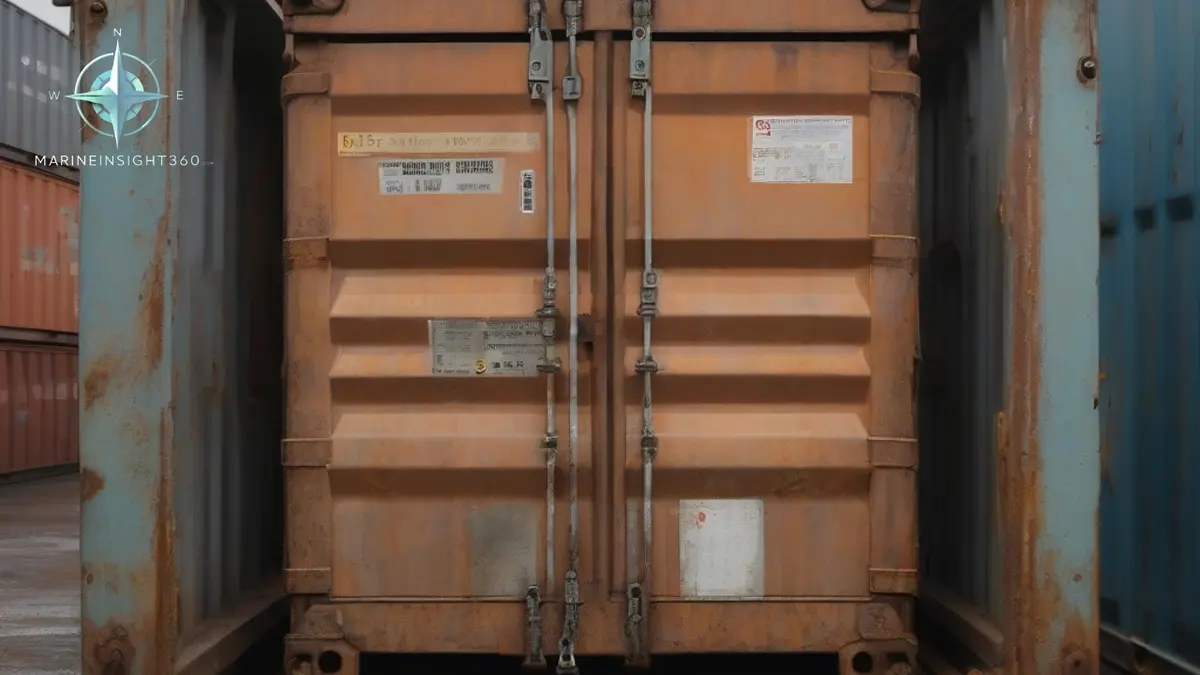
A conex box is a steel ISO shipping container under its old US Army nickname, Container Express, and the standard sizes are a 20-foot box about 6.1 m long and a 40-foot box about 12.2 m long.
A conex box is a steel shipping container, the same corrugated box you see stacked on ships and trains, wearing its old military nickname. The word comes from CONEX, short for Container Express, the US Army's Korean War-era freight box program that pioneered the idea before commercial shipping standardized it.
Today the terms are interchangeable: conex, shipping container, sea can, ISO container all describe the same object. The military name stuck hardest in the United States, especially in construction, agriculture and anywhere ex-service people run logistics.
Standard Sizes and Real Dimensions
- 20-foot box: about 6.1 m long, 2.44 m wide, 2.59 m tall outside; roughly 33 cubic meters inside; tare weight near 2,300 kg with a payload limit around 28 tonnes.
- 40-foot box: about 12.2 m long, same width and height; roughly 67 cubic meters; tare near 3,750 kg.
- High cube: a 40 or 20 footer a foot taller, 2.9 m outside, the extra height that makes conversions livable.
- Specials: open-top, flat rack, refrigerated and double-door variants exist for cargo that will not fit a standard box.
All of them share ISO corner castings, which is the entire magic: any crane, chassis, twist-lock or stacking arrangement in the world fits.
What People Use Them For
At sea, a conex box is simply freight equipment. On land, its second life is bigger than its first. Contractors use them as jobsite tool cribs because they defeat weather and casual thieves. Farms and ranches use them as machinery and feed stores. Businesses park them behind buildings as overflow inventory space.
And an entire conversion industry turns them into site offices, workshops, cabins, pop-up retail and swimming pools, trading on the box's honest virtues: a strong steel frame, a standard footprint and a price far below conventional construction of the same area.
Grades: What the Listings Actually Mean
Used boxes are sold in a rough hierarchy. One-trip units crossed the ocean once with cargo and are near-new, commanding the top price. Cargo-worthy means the box still passes the structural survey needed to ship internationally. Wind and water tight, WWT, promises a dry interior but not certification. As-is means exactly that, and usually means rust holes, bent frames or dead doors.
For storage on private land, WWT is generally the value point; for anything structural or shipped, buy cargo-worthy or better.
Buying One Without Regret
Prices move with the freight market, since used boxes are a byproduct of trade imbalances, but in the United States a serviceable used 20-footer typically lands in the low thousands of dollars, with one-trip units costing roughly double. Inspect before paying: floors free of chemical spills, doors that swing and seal, roof dents that do not pond water, and surface rust rather than scale.
Plan the delivery, because a tilt-bed truck needs straight access and a level pad of gravel or railroad ties keeps the frame true. Check local rules first, as some municipalities regulate containers as structures the moment they sit on residential land.
Conex vs Shipping Container: Any Real Difference?
Functionally, none today. The original military CONEX units of the 1950s were smaller than the modern standard, rigid steel crates moved by crane and truck through the Korean and Vietnam wars, and the Department of Defense shipped hundreds of thousands of them. When commercial shipping standardized the ISO container in the 1960s, built around the same idea with better fittings, the military adopted the civilian standard and the old name simply migrated onto the new steel.
What survives is vocabulary by region and trade: a yard in Texas sells conex boxes, a freight forwarder in London books ISO containers, and a dockworker says can, all pointing at the identical object.
The one practical distinction worth knowing is certification. A unit used in international transport must carry a valid CSC safety plate and periodic inspections; a unit sold into backyard storage does not. Two identical-looking listings can therefore differ in paperwork and price, and the plate is the first thing to check when an advertisement claims cargo-worthy condition. If the plate is missing or expired, treat it as storage grade regardless of the description, and price it accordingly.
What to do next
The box's day job is covered in these guides:
Recommended Reading

12 Things Smart Sailors Do Before Boarding
12 Things Smart Sailors Do Before Boarding: ports, trade and shipping-market context for US, UK, Canada, Australia, Singapore and European maritime...

More on SIPs, STPs, and Bulk Buying
More on SIPs, STPs, and Bulk Buying: technology, equipment and fleet context for US, UK, Canada, Australia, Singapore and European maritime readers.

Insurance: What Seafarers Need to Know Before Purchasing
Insurance: What Seafarers Need to Know Before Purchasing: regulatory and compliance context for US, UK, Canada, Australia, Singapore and European...