
What is an Automatic Radar Plotting Aid (ARPA)?
What is an Automatic Radar Plotting Aid (ARPA)?: safety, training and compliance context for US, UK, Canada, Australia, Singapore and European maritime...
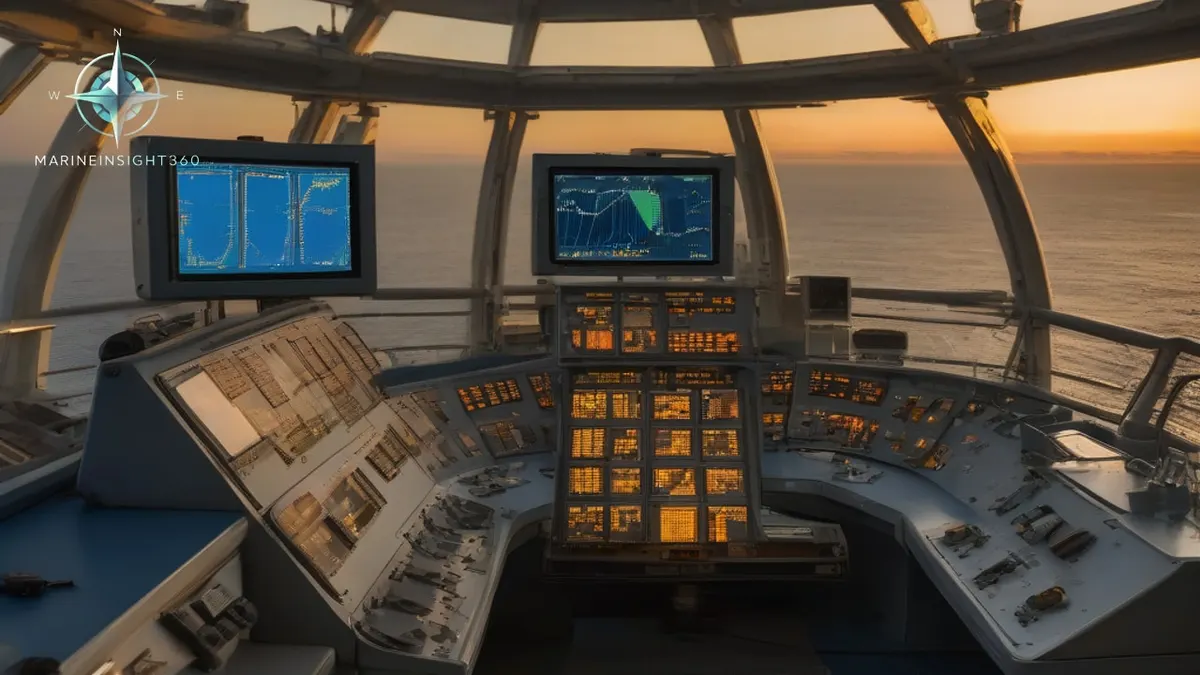
What is an Automatic Radar Plotting Aid (ARPA)?
An Automatic Radar Plotting Aid (ARPA) is an advanced maritime radar system. It is designed to improve navigation safety. It does so by automatically locating targets and predicting their future movements.
ARPA provides real-time data on the speed, direction and position of other vessels. That data significantly reduces mariners' workload. It also improves situational awareness, particularly in congested or restricted waters.
ARPA was developed out of a need to improve maritime safety and efficiency. Traditional radar systems require manual target plotting. That work is time-consuming and prone to human error.
The advent of digital technology in the late 20th century automated this process. That change drove the development of ARPA systems. These systems are designed to automatically track targets and analyze their movements. They also provide valuable collision avoidance information.
Who sets the standards for automatic radar plotting aids?
The International Maritime Organization (IMO) has developed specific standards. These standards cover the use of appropriate automatic radar plotting aids. They amend the requirements of the International Convention for the Safety of Life at Sea (SOLAS).
The main functions of an automatic radar plotting aid (ARPA) are summarized in a statement. That statement appears within the IMO performance standards. It specifies the requirements for ARPA: "Improved collision avoidance at sea: Reduces lookout workload by enabling lookouts to automatically obtain information, enabling them to handle multiple targets with the same efficiency as manually plotting a single target." As this statement indicates, the main benefits of ARPA are twofold. Bridge personnel carry a reduced workload.
They also receive more complete and faster information about selected targets.
A typical function of ARPA is to assess the current situation. It then uses computer technology to predict future situations. ARPA assesses the risk of collision. It provides the operator with a proposed course of action for their vessel.
ARPA systems adhere to the following standards and provide the following functions:
1. Radar Motion Display
True and Relative Motion Display: Displays true and relative radar motion information to enhance situational awareness.
2. Target Acquisition
Automatic and Manual Target Acquisition: The systemsupports both automatic and manual target acquisition. This ensures complete tracking of all relevant targets.
3. Digital Readout
Detailed Target Information: Provides a digital readout of the target, including:
- Direction
- Speed
- Distance
- Type
- Closest Point of Approach (CPA)
- Closest Point of Approach Time (TCPA)
- Distance and Pass Time
4. Collision Assessment
Enhanced Display: Collision assessment information is displayed directly on the Planned Position Indicator (PPI), using:
- Vector (actual or relative)
- Graphical display of the Predicted Area of Danger (PAD)
- What is a Ship Arrestor?
- What Is A Ship Superstructure?
- What Is An Echo Sounder?
- What is a Beaching Of Ships?
- What Is Container Loading And Unloading?
5. Test Maneuvers
Simulation Capabilities: Supports test maneuvers, including:
- Direction Changes
- Speed Changes
- Combined Heading and Speed Changes
6. Navigation Stabilization
Automatic Terrain Stabilization: Provides automatic terrain stabilization to ensure accurate navigation.
7. Fast Processing
Higher Processing Speed: Radar information is processed significantly faster than in traditional radar systems. The same limitations still apply.
8. Data Accuracy
Dependence on Input Accuracy: The accuracy of ARPA data depends on the accuracy of the input data. That data comes from sources such as gyroscopes and logbooks.
Difference between RADAR and ARPA
Final words
The ARPA system is a revolutionary tool for maritime navigation. It fundamentally improves both safety and operational efficiency at sea.
The Advanced Research Projects Agency (ARPA) is working to address the challenges faced by mariners. It automates the tracking and prediction of other vessels. That gives mariners critical information at a glance. Such information is invaluable in crowded and complex waters.
Advances in digital technology enable ARPA to replace manual aiming with radar. This significantly reduces the risk of human error. It also streamlines navigation operations on the bridge.
ARPA displays real-time data on speed, direction, and potential collision distance. This facilitates immediate decision-making. It also allows mariners to simulate various navigation scenarios.
A framework established by the International Maritime Organization (IMO) highlights the crucial role of ARPA. That role is central to enhancing maritime safety. ARPA provides mariners with smarter, faster decision-making tools. Those tools enable them to more easily monitor multiple vessels.
Recommended Reading
Introduction to Radar Surveillance and SOLAS Requirements
Introduction to Radar Surveillance and SOLAS Requirements: regulatory and compliance context for US, UK, Canada, Australia, Singapore and European...
Automatic Mutual Assistance Vessel Rescue (AMVER)
The Automatic Mutual Assistance Vessel Rescue ( AMVER ) system is a unique technology developed by the United States Coast Guard in 1958.
What is Marine Radar?
What is Marine Radar?: technology, equipment and fleet context for US, UK, Canada, Australia, Singapore and European maritime readers.