
Where Are Most Cruise Ships Registered? The Flags Behind the Fleet
Most cruise ships are registered in the Bahamas, Panama, and Malta. Learn why open registries dominate cruising and what a flag state actually does.
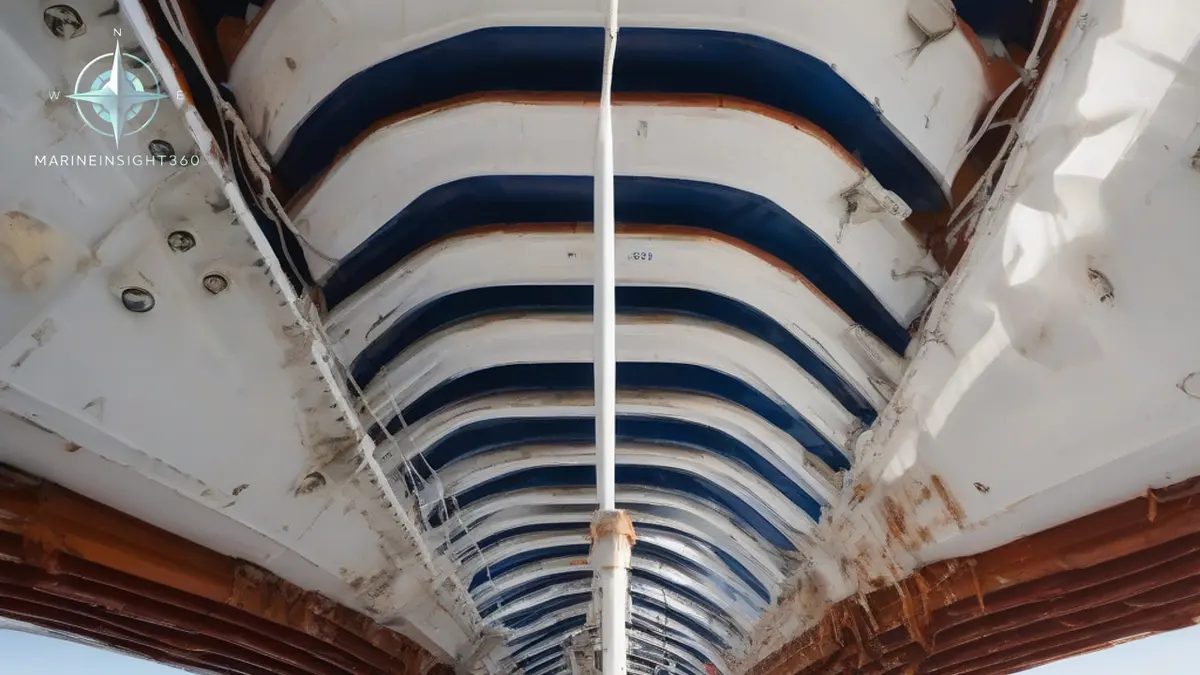
Where are most cruise ships registered? The Bahamas, with Panama and Malta holding the next largest shares of the fleet. Walk under the stern of almost any big cruise ship and the port of registry reads Nassau, Panama or Valletta. It rarely reads Miami or Southampton, even when the operating company sits in Florida or on the south coast of England.
These are open registries, often called flags of convenience. They allow a cruise line to register a vessel without being based in the flag country, and the majority of the global cruise fleet flies the Bahamian, Panamanian, or Maltese flag for reasons of cost, tax treatment, and practical regulation.
Where most cruise ships are registered today
The Bahamas registers more cruise ships than any other nation, and Royal Caribbean International flags its fleet in Nassau. Panama comes next, carrying the majority of the Carnival fleet, while Malta has built a strong cruise register that includes Celebrity Cruises and TUI Cruises. Bermuda holds a niche with lines such as Cunard and Princess, partly because its rules let captains perform legally recognized weddings at sea.
The clearest exception proves the pattern. Pride of America, operated by Norwegian Cruise Line, flies the US flag with a largely American crew so it can sail Hawaii itineraries without calling at a foreign port. It is the only large oceangoing cruise ship under the US flag, and its operating costs are widely cited as far higher than those of its foreign flagged fleetmates.
How to check where a cruise ship is registered
The port of registry is painted on the stern beneath the ship name. Official records go deeper: every ship carries a certificate of registry, and the IMO number, a permanent seven digit identity, stays with the hull through every change of flag and owner. Public databases such as Equasis list the current flag, owner, and classification society of any commercial ship.
Why cruise lines choose open registries
- Crew costs and hiring flexibility. A US flagged passenger ship must employ a largely American crew at domestic wage scales. Open registries let lines hire internationally, and crewing is one of the biggest line items in a cruise budget.
- Tax treatment. Shipping income earned by foreign flagged, foreign incorporated operators largely falls outside US corporate taxation, a structure the major lines have used for decades.
- Cabotage law. The US Passenger Vessel Services Act requires foreign flagged ships carrying passengers between US ports to include a foreign stop, which is why so many itineraries touch Nassau, Ensenada, or Victoria.
- Corporate structure. The big operators are themselves incorporated abroad. Carnival Corporation is incorporated in Panama and Royal Caribbean Group in Liberia, so an offshore flag matches the wider legal setup.
- Established administration. The Bahamas, Panama, and Malta run large, experienced registries with worldwide inspection networks and procedures familiar to financiers and insurers.
What a flag state actually does for a cruise ship
Registration is not just a brass plate. The flag state certifies the ship under SOLAS, MARPOL, and the other IMO conventions, sets manning and seafarer documentation requirements, and investigates casualties involving its ships. In practice, most technical surveys are delegated to classification societies acting as recognized organizations, but the legal responsibility stays with the registry.
The certificate folder on the bridge shows how much flows from the flag. The Passenger Ship Safety Certificate and the pollution prevention certificates are issued under its authority, and the ISM Code adds a Document of Compliance for the managing company and a Safety Management Certificate for the ship.
The Minimum Safe Manning Document, which fixes the smallest crew the ship may legally sail with, is a flag document too, and on a cruise ship it counts the crew needed to run the muster and survival craft organisation.
The flag decides which paperwork a seafarer needs
A Bahamian-flagged ship crewed by Indian, Filipino and Ukrainian officers works through a specific STCW mechanism. Officers hold certificates of competency from their own national administration, and the flag state issues an endorsement recognising each one for service on its ships. That endorsement, not the original licence alone, makes the officer legally competent for the berth.
The Maritime Labour Convention governs employment, and the flag issues the Maritime Labour Certificate. It fixes standards an inspector checks directly: a signed employment agreement in a language the crew member understands, rest of at least 10 hours in any 24 and 77 hours in any seven days, accommodation and food standards, and repatriation rights.
The flag also decides whose law applies at sea
Under the law of the sea, a ship on the high seas falls under the exclusive jurisdiction of her flag state. That is the mechanism behind the Bermuda wedding point, and it reaches further: births, deaths and criminal incidents outside any coastal state's waters go first to the flag, which is why a serious incident on a Bahamian-flagged ship is reported to the Bahamas Maritime Authority. Coastal states keep their own jurisdiction inside territorial waters.
Does an open registry mean lower standards?
Not by itself. SOLAS and the rest of the IMO framework apply to a cruise ship regardless of the flag it flies. Port state control adds a second layer: any cruise ship embarking passengers at a US port undergoes Coast Guard examinations, and European ports inspect under the Paris Memorandum of Understanding. A registry with a poor detention record attracts more frequent boardings, which is a commercial problem no cruise line wants.
The targeting is formalised: the Paris Memorandum publishes an annual list ranking flags by detention record, and a ship's risk profile, built from the flag's ranking, the company's record and the ship's own inspection history, sets how often it is selected.
The practical takeaway is that the flag on the stern says more about economics and law than about the condition of the ship. For profiles of the vessels themselves, from megaships to expedition tonnage, see the Ships and Vessels section of Marine Insight 360.
Sources and further reading
- Cruise Ship Registry, Flags of Convenience, Flag State Control (CruiseMapper)
- Why Cruise Ships Register in the Bahamas (Cruise Mummy)
- Why Do Cruise Ships Sail Under Foreign Flags? (Cruzely)
What to read next
Recommended Reading
Cruise Ship Building Companies: Who Actually Builds the Fleet
Four European yards build almost every large cruise ship. Here is what Fincantieri, Meyer Werft, Meyer Turku and Chantiers de l'Atlantique deliver.
What Is The Most Luxurious Cruise Ship In 2024?
What Is The Most Luxurious Cruise Ship In 2024?: ports, trade and shipping-market context for US, UK, Canada, Australia, Singapore and European...
Stornoway Port Welcomes Queen Anne, Its Largest Ever Cruise Ship
Stornoway Port welcomed Queen Anne, its largest ever cruise ship, at a new deep water terminal. What a 332 metre call needs from a small island port.