
Who Owns the Seawise Giant? The Full Ownership History of the Largest Ship Ever Built
The Seawise Giant was scrapped in 2010, so no one owns her today. Trace every owner of the largest ship ever built, from C.Y. Tung to her final voyage.
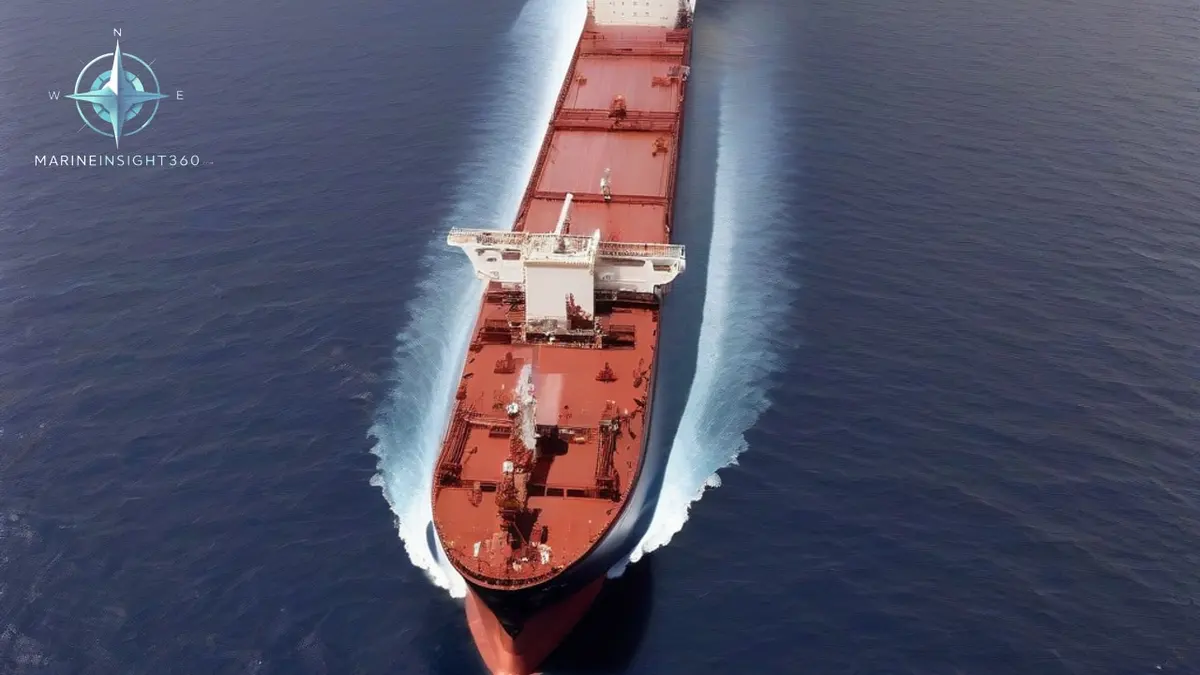
Who owns the Seawise Giant? No one does. The largest ship ever built made her final voyage in 2009 under the name Mont, was beached at the Alang shipbreaking yards in Gujarat, India, and was cut up for scrap during 2010. Over a 31-year career she carried five names. Her principal owners were the Orient Overseas group of Hong Kong magnate C.Y. Tung, Norman International, Norwegian shipowner Jorgen Jahre and First Olsen Tankers.
The record she set still stands. At 458.45 meters (1,504 ft) overall, with a deadweight of 564,763 tonnes and a loaded draft of 24.6 meters (81 ft), she remains the longest and heaviest self-propelled vessel ever put to sea.
The ownership chain at a glance
- Sumitomo Heavy Industries: the Japanese builder, left holding the unfinished tanker when her Greek buyer failed
- C.Y. Tung and Orient Overseas: bought, lengthened and operated her as Seawise Giant through the 1980s
- Norman International: purchased the war-damaged wreck after 1988 and had her repaired as Happy Giant
- Jorgen Jahre: the Norwegian owner who traded her as Jahre Viking from 1991 to 2004
- First Olsen Tankers: converted her to the floating storage unit Knock Nevis in 2004
- Final buyers: scrap interests that renamed her Mont for the 2009 delivery voyage to Alang
Who owned the Seawise Giant first
She began as an ordinary, if large, order at Sumitomo Heavy Industries in Japan in the mid 1970s. The Greek owner who commissioned the hull ran into financial trouble and never took delivery, so the yard sold the unfinished ship to C.Y. Tung, the Hong Kong shipowner behind the Orient Overseas group.
Tung wanted a record breaker. He had the tanker cut and lengthened, a process yards call jumboization, lifting her capacity to 564,763 deadweight tonnes. The name Seawise Giant is a play on his initials. Through the 1980s she carried crude oil on the few routes that could accept her, because a fully loaded draft of 24.6 meters closed the Suez Canal, the Panama Canal and even the English Channel to her.
Attacked in the Tanker War and written off
Her first career ended violently. During the Iran-Iraq War, Iraqi aircraft attacked tankers serving Iranian terminals, and in 1988 the Seawise Giant was hit while off Larak Island near the Strait of Hormuz. She burned and settled in shallow water, and her insurers treated her as a total loss.
Norman International judged the hull worth saving. The company bought the wreck after the war ended, refloated her and sent her to Singapore for repair. She re-entered service under a new name, Happy Giant.
The Jahre Viking and Knock Nevis years
Norwegian shipowner Jorgen Jahre bought her in 1991 and put her under the Norwegian flag as Jahre Viking. For thirteen years she traded crude again, working the deep-water routes that suited her dimensions.
In 2004 First Olsen Tankers took her over and ended her trading days. Renamed Knock Nevis, she was converted into a permanently moored floating storage and offloading unit at the Al Shaheen oil field off Qatar. Storage work is a common retirement for ultra large crude carriers, since a hull too big for most ports can still hold oil profitably at anchor.
The final voyage and what survives of her
In 2009 she was sold for demolition, renamed Mont and sailed to the shipbreaking beach at Alang, India. Cutting continued through 2010, when the largest ship ever built ceased to exist. Her anchor, weighing about 36 tonnes, was preserved and is displayed at the Hong Kong Maritime Museum.
Why no owner has built her equal since
The Seawise Giant proved that maximum size is not maximum utility. A tanker that cannot transit Suez or Panama loaded, and that only a handful of terminals can berth, spends its life on a short list of routes. Modern very large crude carriers settle around 300,000 deadweight tonnes because that size balances cargo volume against draft limits, canal access and chartering flexibility.
Her repeated changes of hands tell the same story from the commercial side. Each owner found a narrower use for her than the last, from trading tanker to storage hulk, until scrap value exceeded earning value. For more histories of record-setting tonnage and the trades they served, the Knowledge Base on Marine Insight 360 profiles notable vessels class by class.
Ships of her size end on a beach because few facilities can handle the steel, and the practice is now regulated. The Hong Kong Convention on ship recycling was adopted under IMO auspices in 2009, the same year Mont was sold for demolition, and has since entered into force. It requires an inventory of hazardous materials aboard and a yard specific recycling plan before cutting begins.
Age is what finally decides a tanker. Hulls are surveyed on a five year special survey cycle, and by the fourth or fifth of these the cost of renewing wasted steel in cargo tanks and ballast spaces can exceed what the ship will earn. Class surveyors, from societies such as Lloyd's Register and DNV, gauge plate thickness and condemn what has corroded past limit.
Sources and further reading
What to read next
Recommended Reading
Typhoon Class Submarine: The Biggest Boats Ever Sent Under the Sea
The Soviet Typhoon class submarine remains the largest ever built: twin pressure hulls, 20 missile silos, and why nothing since has matched its size.
How Big Is the Largest Submarine Ever Built? Typhoon Class Facts
The Soviet Typhoon class is the largest submarine ever built: 175 m long, 23 m beam, 48,000 tonnes submerged. Why it was that size and what replaced it.
Largest Ship Ever Built
Find out why Seawise Giant (Knock Nevis) remains the biggest ship ever built, its dimensions, history and how it compares with modern giants.