
Why Boilers Are Used on Ships?
Why Boilers Are Used on Ships?: ports, trade and shipping-market context for US, UK, Canada, Australia, Singapore and European maritime readers.
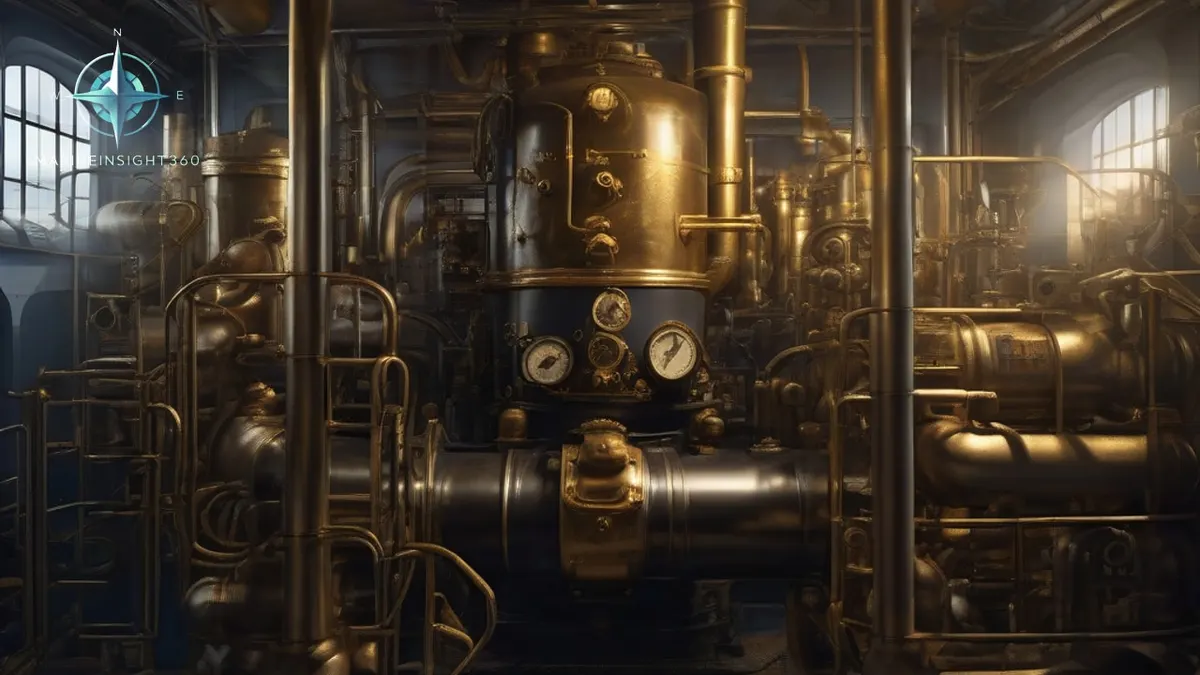
Why Boilers Are Still Used on Ships
Boilers remain vital on ships for generating steam needed to heat fuel, cargo, and living spaces, produce freshwater, and recover energy. They are not outdated—they support critical systems even on modern vessels.
What Most People Miss
Many assume boilers only support old steam engines. In reality, they power systems like cargo heating on tankers, freshwater generators, and waste heat recovery units. Their role extends beyond propulsion to ensure safe, efficient operations across all vessel types.
Common Mistakes
- Ignoring maintenance: Clogged heating coils or faulty pressure valves can cause system failures. Regular checks prevent disruptions.
- Underestimating fuel heating: Heavy fuel oil (HFO) must stay at correct viscosity. Poor heating leads to engine damage and fuel waste.
- Overlooking crew comfort: Inadequate accommodation heating in cold climates risks safety and morale.
Boiler Functions on Ships
- Fuel heating: Steam heats HFO storage and service tanks to maintain flowability.
- Cargo operations: Tankers use steam coils to prevent cargo solidification during transit.
- Freshwater production: Steam drives distillation systems for potable water on long voyages.
- Energy efficiency: Exhaust gas boilers capture waste heat from engines to reduce fuel use.
- Tank cleaning: High-pressure steam flushes residual cargo and maintains pipeline integrity.
When This Doesn’t Apply
Some specialized vessels (e.g., LNG carriers using cryogenic systems) may bypass traditional boilers. However, for most commercial ships relying on HFO, steam-based systems are still essential.
Quick Checklist
- Verify boiler pressure before fuel transfers
- Inspect heating coils for cargo tank integrity
- Monitor freshwater generator steam supply
- Log waste heat recovery efficiency weekly
- Test accommodation heating in cold weather zones
The temperatures heavy fuel oil actually needs
Fuel heating is not one setting but a chain of them. Storage and settling tanks are held warm enough to keep the oil pumpable, the purifier runs hot to separate water and sludge, and the final heater before the engine trims viscosity to what the injection system needs, commonly around 12 to 15 cSt. Viscosity, not temperature, is the controlled variable, because two fuels of the same grade can need different heat.
Getting it wrong shows up at the injector. Fuel arriving too viscous atomises poorly, burns badly, sooties the exhaust side and can crack a fuel valve tip. Fuel taken too far the other way loses the viscosity the fuel pumps rely on for lubrication and can seize a plunger.
There is a ceiling as well as a target. SOLAS Chapter II-2 sets a minimum flashpoint of 60 degrees C for oil fuel used in machinery spaces and requires hot surfaces near fuel systems to be shielded, so heating fuel towards its flashpoint, or leaving a weeping flange above a hot uptake, is a fire that has already started.
How ship's boilers actually fail
The failure an exhaust gas economiser is known for is a soot fire. Deposits build on the gas side when the main engine runs at low load for long periods, and once they ignite the tube stack can reach temperatures at which the fire sustains itself and water makes it worse. Soot blowing, dry running limits and regular water washing are fire prevention, not housekeeping.
On the water side the classic defect is level. Low water uncovers tubes, which overheat and bulge before they leak, and a gauge glass that is not blown through on watch will keep showing a comfortable level that is not there. Scale from poor feed treatment does the same thing more slowly by insulating the heating surface.
Cargo heating brings its own failure. A leaking steam coil in a cargo tank puts cargo into the condensate, and the place it is caught is the observation tank on the condensate return, where traces of oil show before the receiver finds them. A leak the other way waters the cargo and becomes a claim.
Recommended Reading
Working of Marine Boilers Explained
Working of Marine Boilers Explained: safety, training and compliance context for US, UK, Canada, Australia, Singapore and European maritime readers.
Selection Of Marine Boilers During Ship Design
Selection Of Marine Boilers During Ship Design: technology, equipment and fleet context for US, UK, Canada, Australia, Singapore and European maritime...
How Does The Marine Boilers Works?
How Does The Marine Boilers Works?: technology, equipment and fleet context for US, UK, Canada, Australia, Singapore and European maritime readers.