
Saqib Ahmed
Marine Chief Engineer
Saqib Ahmed is an experienced Marine Engineer and Technical Superintendent with over 12 years of seagoing experience, progressing from Engine Cadet to Chief Engineer. He holds a Class 1 Marine Engineer Certificate of Competency and NEBOSH IGC certification, with strong expertise in vessel technical management, machinery maintenance, dry-docking, troubleshooting, safety, and maritime regulatory compliance.
Articles by Saqib Ahmed(71)
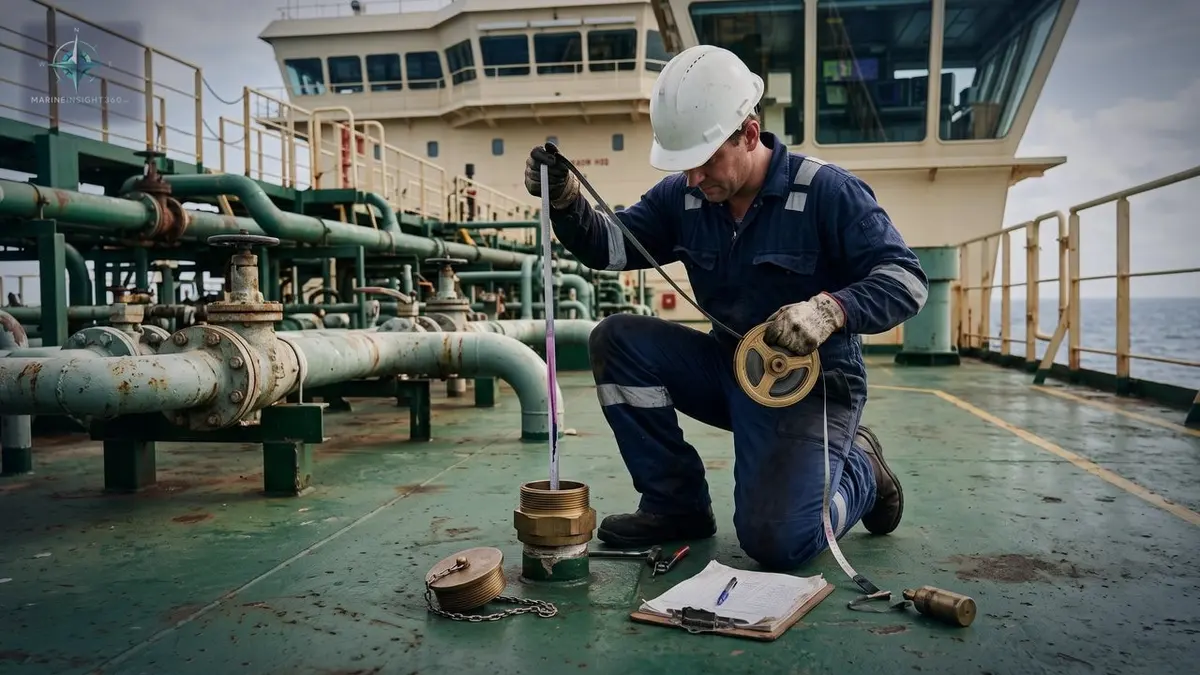
Sounding on Ships: How Crews Measure Tanks and the Sea Floor
Sounding means measuring depth: of liquid in a ship's tanks with a tape, or of water under the keel with an echo sounder. How both work and why they matter.
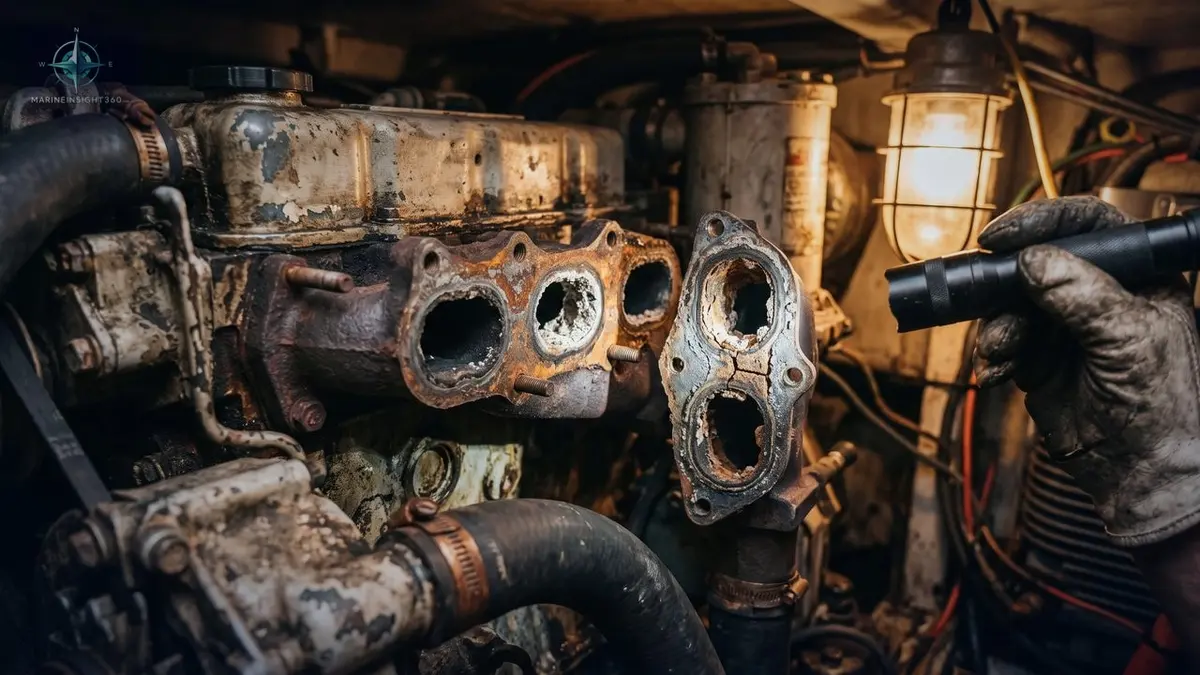
Exhaust Manifold on Marine Engines: What It Does and How It Fails
What the exhaust manifold does on a marine engine, wet versus dry designs, why raw-water cooling corrodes them, and the failures crews learn to catch early.
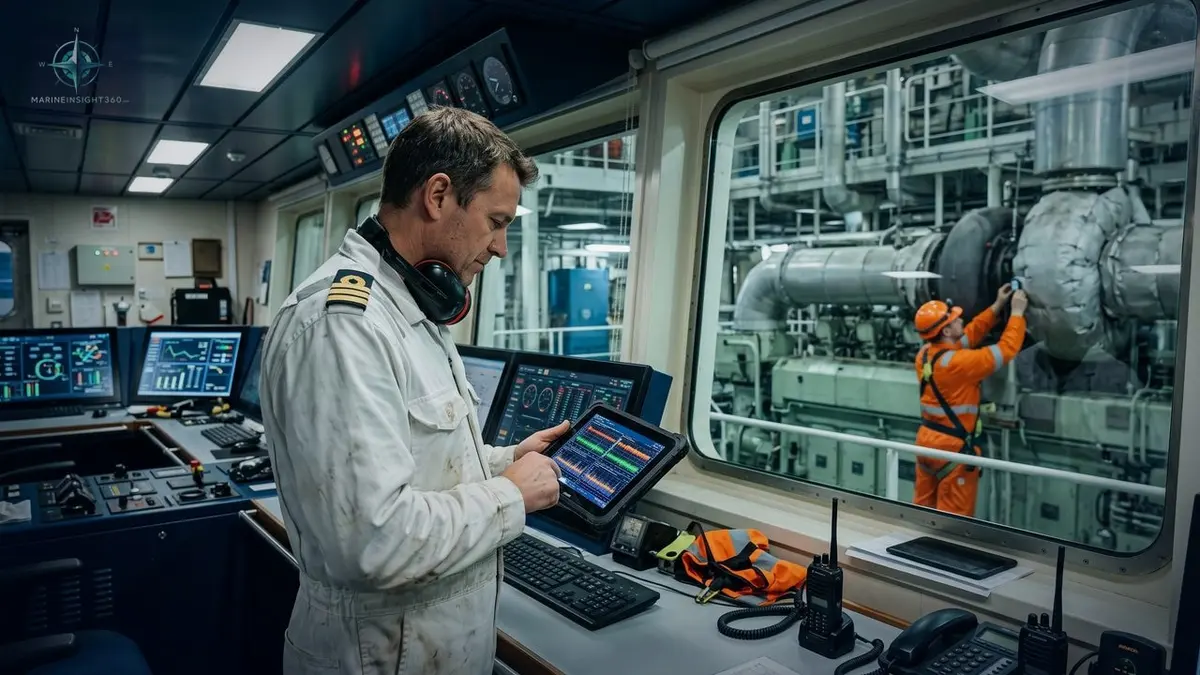
Why Predictive Maintenance Is Becoming the Future of Ship Management
Discover how predictive maintenance is helping shipowners reduce breakdowns, improve safety, lower maintenance costs, and increase vessel reliability.
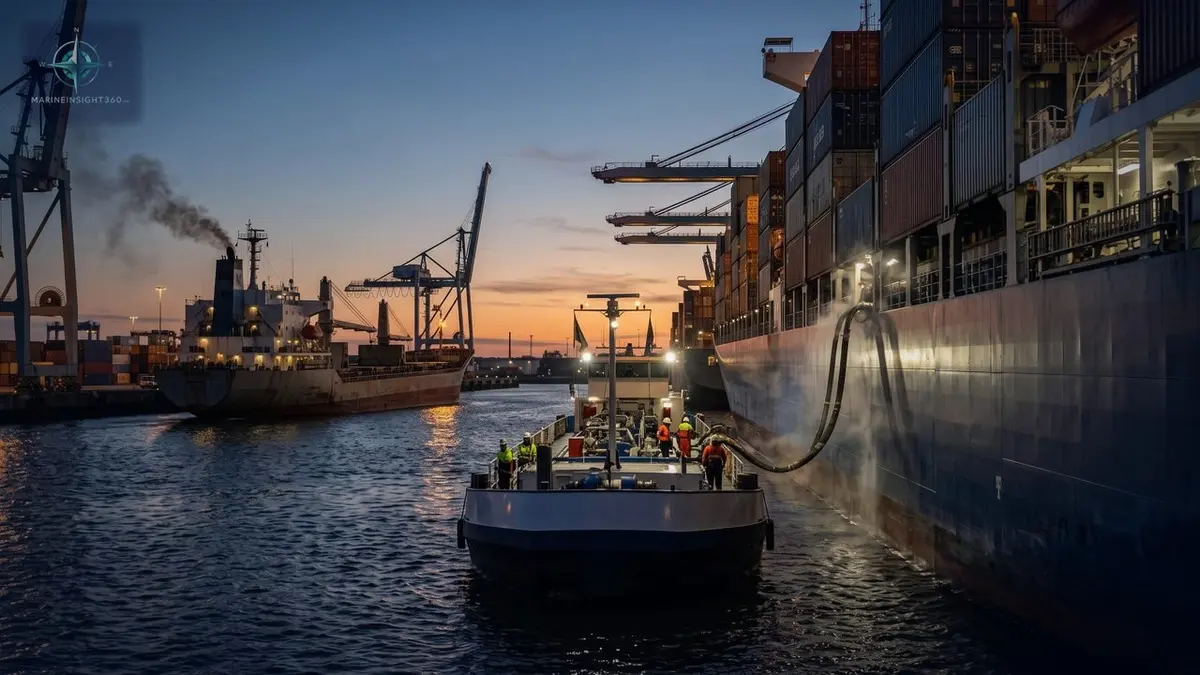
Shipping Faces Fuel Transition Hurdles Amid IMO Delay and Fragmented Rules
Learn how the IMO’s one‑year delay and fragmented emissions rules affect shipping fuel transition, compliance options, and crew operations.
Why Predictive Maintenance Is Becoming the Most Important Technology in Modern Shipping
Predictive maintenance is becoming modern shipping's most important technology because it replaces fixed service intervals with condition data, cutting…
LNG Propulsion Systems: A Complete Technical Guide
How LNG-fuelled ships work: low- and high-pressure dual-fuel engines, fuel storage and supply under the IGF Code, emissions, methane slip and bunkering.
Understanding Cruise Ship Hull Design
Cruise ships rely on hull shapes that blend form with function. Designers pick shapes to cut through water with less effort. This boosts speed and cuts…
10 Situations When a Ship’s Generator Must Be Stopped Immediately
Shipboard generators are the backbone of a vessel’s electrical supply. They power navigation systems , lighting, pumps, cargo equipment, and safety systems .
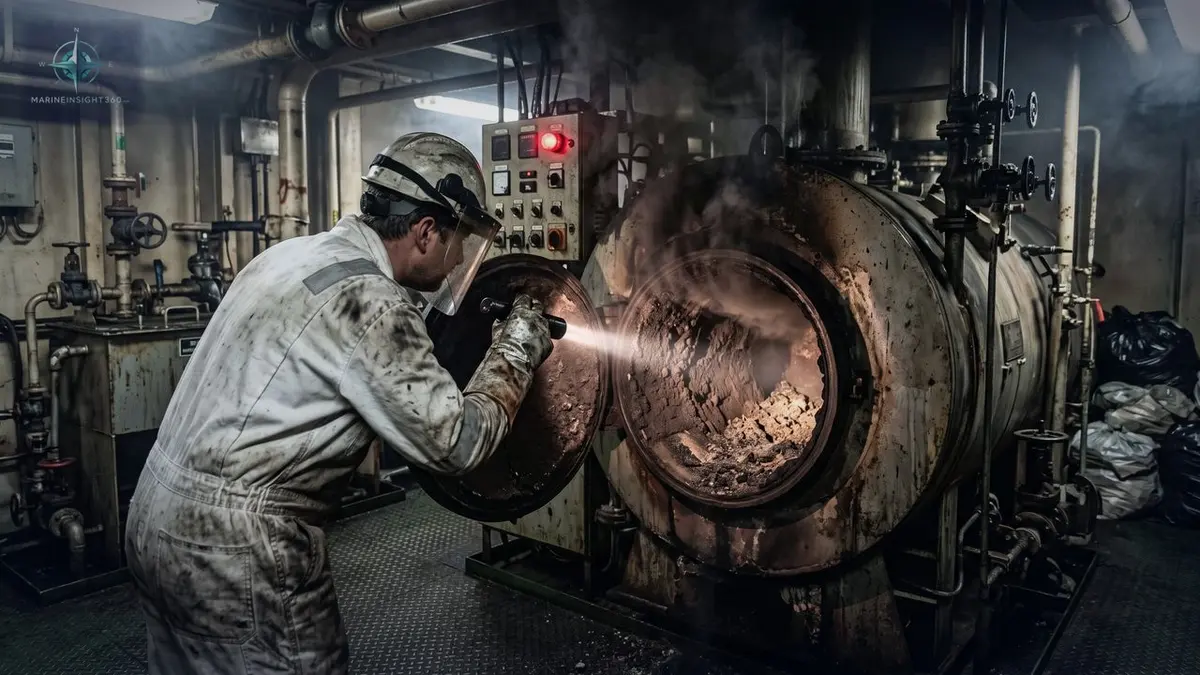
8 Ship Incinerator Problems Mariners Should Know
The most common ship incinerator problems are burner ignition failure, low combustion temperature, excessive exhaust smoke, unstable sludge feed,…
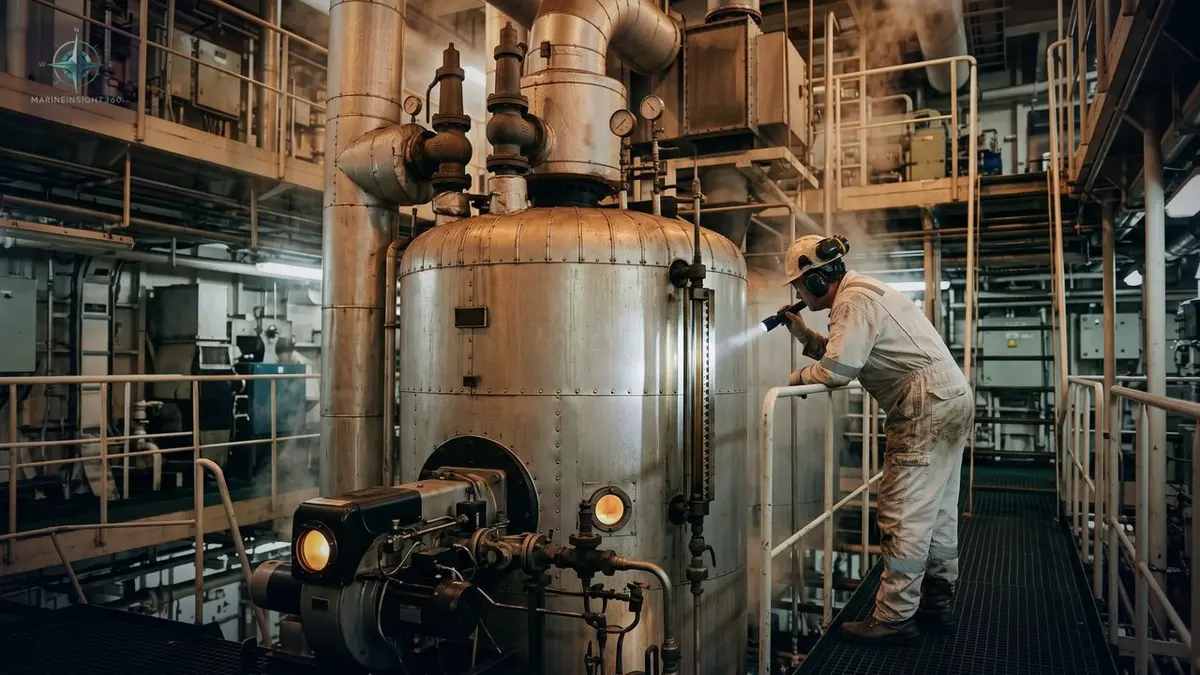
Why Boilers Are Used on Ships?
Even in the era of modern diesel engines and advanced propulsion systems , boilers remain essential on ships .
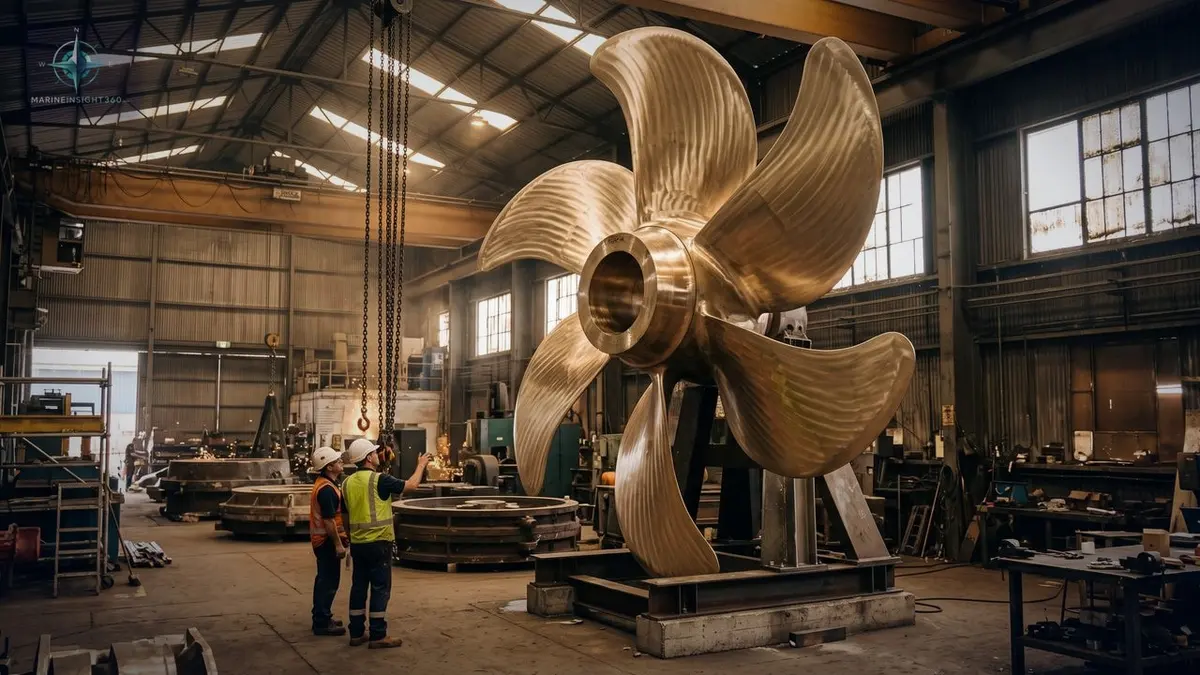
10 Biggest Ship Propellers in the World
Ship propellers are engineering marvels. Hidden beneath massive hulls, they convert engine power into thrust that moves some of the largest vessels ever built.
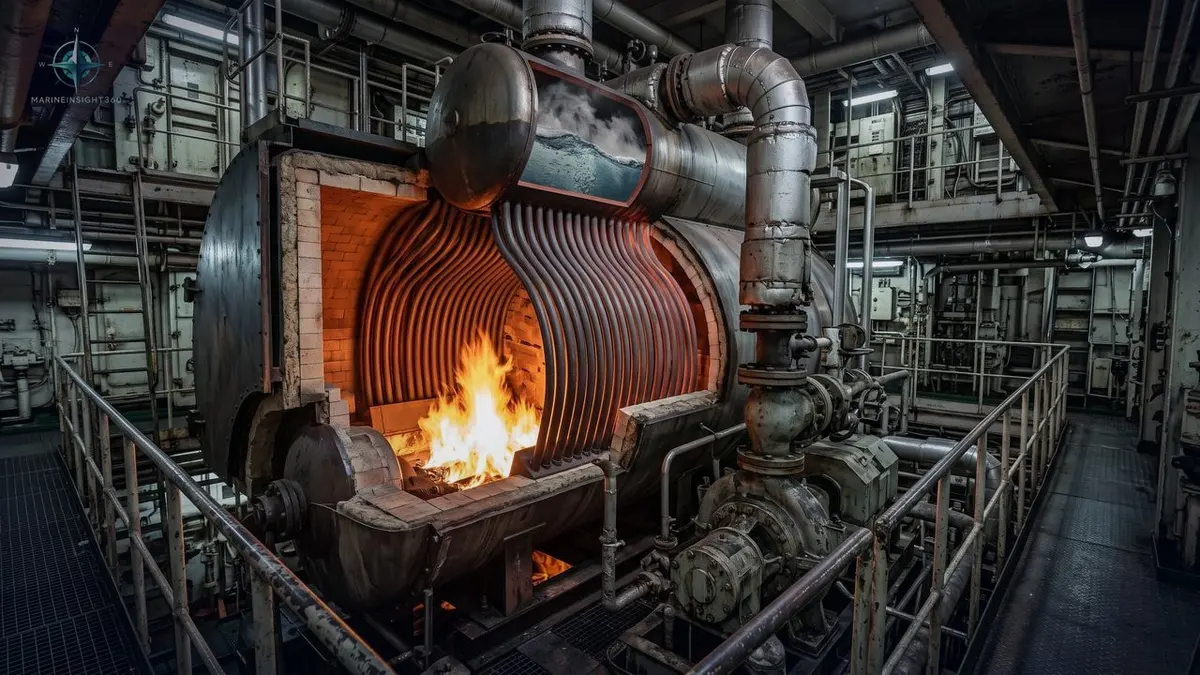
Working of Marine Boilers Explained
Marine boilers are pressure vessels that burn fuel to turn feed water into steam; aboard ship that steam drives turbines and cargo pumps, heats fuel oil to the viscosity combustion needs, and warms accommodation.