
Challenges of Maritime Careers
Challenges of Maritime Careers: career, certification and hiring context for US, UK, Canada, Australia, Singapore and European maritime readers.
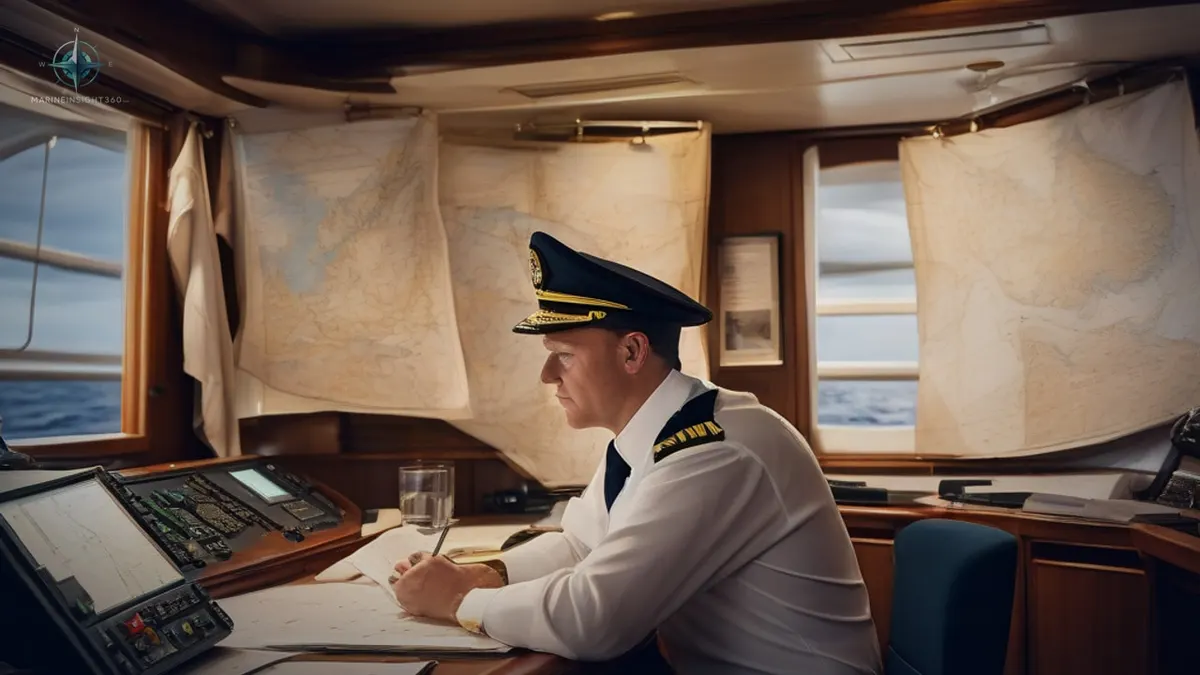
What Kind of Challenges One faced in Maritime Careers?
According to the classification, maritime jobs are among the top ten most dangerous jobs in the world. Although this may seem surprising to the layman (considering that people think it is a "cool" job), if you ask a sailor, he will mention the various difficulties involved in this job.
A careful analysis of the potential risks reveals that this job is not suitable for vulnerable individuals, those who easily miss their homeland, or those who struggle to work in harsh environments.
In any profession, various occupational hazards must be faced, and a person's ability to perform a specific job is evaluated based on their response to these hazards.
Likewise, there are ways to cope with the career challenges that arise on board, and no one should be discouraged from starting an exciting and rewarding career on a merchant ship.
Strict physical fitness is essential because any naval job requires a significant amount of effort, and the difficulties that a person usually faces are insurmountable without optimal health.
Ships are always in motion, whether rolling, pitching, or heaving up and down. This constant movement can cause dizziness, a problem that is difficult to treat, even for those with the most stable legs.
During sea voyages, crew members frequently encounter extreme temperatures and weather conditions, especially on long voyages that span multiple countries or continents.
Maritime Communications and Navigation
These long voyages take ships not only to extremely cold regions, such as Alaska or Scandinavia, but also to hot and humid regions, including the tropics and the Persian Gulf.
Seafarers working on board must be able to adapt to various climates and work in diverse environments.
Ship accidents are frequent and play a significant role in maritime operations. The most common accidents are usually falling off the ship, onto the deck, in the engine room or onto any structure on board. Additionally, the deck and engine room contain a substantial amount of electromechanical equipment that must be handled with extreme care.
With the advancement of technology, ships are now equipped with a variety of mechanical and instrumentation systems. Therefore, sailors must operate such complex and hazardous machinery every day.
The physical health of seafarers is constantly threatened due to harsh working conditions. Frequent exposure to direct sunlight or bad weather when working on deck, or extremely high temperatures and noisy environments in the engine room, can cause health problems.
It has also been demonstrated in the past that prolonged and close exposure to ultraviolet radiation emitted by ship radar and radio equipment can lead to health issues. Some ships have poor ventilation in their interior cabins and living areas.
Sometimes the environment is noisy and hot, which is ideal for the growth of bacteria and can only be tolerated by healthy people with a sound immune system.
Although shipping companies take the utmost care of their crews and provide them with the best equipment, sea conditions, harsh and changing climates, and long working hours make maritime transportation a challenging endeavor.
Shipping careers also present numerous psychological challenges for those who struggle to adapt to the demanding schedule and lifestyle. Additionally, there are occupational politics and conflicts among sailors, which make life on board particularly challenging.
Working on a ship is difficult, but not impossible.
Although many factors contribute to physical and mental stress among seafarers, those working on ships must adopt the right attitude to break the monotony, enhance interpersonal relationships, and strive to maintain their physical and mental well-being.
What should you take into account when planning a maritime career?
For cadets, ratings and officers, maritime careers should be read alongside current company requirements, flag-state rules, medical fitness standards and training-provider instructions. The pathway can change by country, rank, vessel type and previous sea service, so candidates should verify documents before paying fees or accepting a joining offer.
Recommended Reading
Logistics Careers - A Detailed Guide
The term "logistics" originated in the military, referring to the coordination and movement of troops and supplies, their accommodation, and their storage.
Seawomen Careers - 8 Career Options For Female Sailors
Seawomen Careers - 8 Career Options For Female Sailors: ports, trade and shipping-market context for US, UK, Canada, Australia, Singapore and European...
Why Seafarers Quit Their Seafaring Careers?
Why Seafarers Quit Their Seafaring Careers?: ports, trade and shipping-market context for US, UK, Canada, Australia, Singapore and European maritime...