
Emergency Generator Operation and Testing Procedures
Emergency Generator Operation and Testing Procedures: regulatory and compliance context for US, UK, Canada, Australia, Singapore and European maritime...
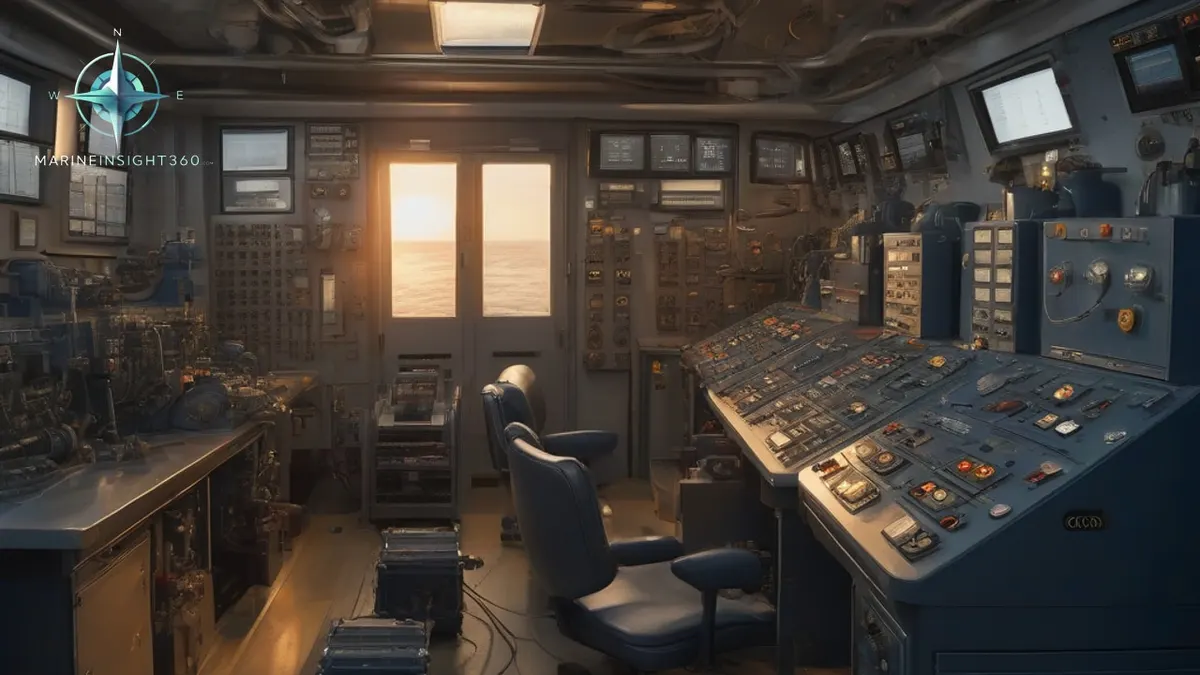
Emergency Generator Operation and Testing Procedures
The ship's emergency generatorprovides power when the main generator fails, resulting in a power outage. As generally required, there should be at least two generator operating modes: battery operation and hydraulic or pneumatic operation.
If the second operating mode fails, the Port State Control (PSC) may detain the vessel or grant it a grace period to rectify any deficiencies.
Emergency Generator Testing
The ship's emergency generator is tested weekly (during the weekly routine inspection) by running it under no-load to verify battery operation. A hydraulic operation test is performed monthly to ensure its proper functioning. Additionally, an automatic start test is performed monthly to verify its operation and its ability to function under load.
Battery Start Procedure
Proceed to the emergency generator compartment and locate the appropriate switchboard.
Switch the circuit breaker from the automatic position to the test position. The generator will start automatically but will not operate under load. Check the voltage and frequency on the instruments.
Run the generator for 10-15 minutes and check the exhaust temperature and other indicators.
Check the crankcase oil level.
To stop the generator, turn the switch to the manual position and then close it.
Hydraulic Start Procedure:
As described above, turn the switch to the manual position and ensure the pressure gauge shows sufficient oil pressure.
Open the manifold valve connected to the generator.
Press the spring valve; the generator will start.
Check the voltage and frequency.
Run the generator for 10-15 minutes and check the exhaust temperature and other parameters.
Check the crankcase oil level.
To stop the generator, use the manual stop button on the control panel.
After the generator stops, adjust the hydraulic manifold pressure to the desired level.
Close the manifold valve connected to the generator.
- What is the Safe Bunkering Procedure?
- What Is The Procedure Prior To Entering An Enclosed Space?
- What is a Bulk Liquid Terminal?
- What Is The Procedures On How To Maintain Your Magnetic Compass?
- Hydraulic Operation of Emergency Systems
Automatic Start Procedure:
- For automatic start, the circuit breaker connects the Emergency Power Switch (ESB) and the Main Power Switch (MSB). Additionally, a locking system prevents the emergency generator and the ship's main electrical grid from being energized simultaneously.
- Therefore, we simulate this process by disconnecting the circuit breaker on the connection line, which can be done at either the Main Switchgear Box (MSB) or the Emergency Switchgear Box (ESB).
- After the circuit breaker trips, the emergency generator will automatically start, using the battery to provide necessary power to the machines and water pumps connected to the Emergency Switchgear (ESB).
- To stop the generator, the circuit breaker will close again, cutting off the generator's power supply.
- Now, set the circuit breaker to the manual position to stop the generator.
- Press the stop button, and the generator will stop.
Compliance context
For compliance topics, emergency generator operation should be treated as general guidance until it is checked against the latest flag-state, port-state, class and company requirements. Rules can vary by vessel type, trading area, cargo and certificate status, so the exact obligation should be verified before operational decisions are made.
Common mistakes to avoid
Do not treat a general article as legal or class advice. Use it to understand the issue, then verify the requirement through official documentation and the vessel's company channels.
Recommended Reading
Freshwater Generator on Ships: How It Works, Types and Components
How a ship's freshwater generator turns seawater into drinking water: vacuum evaporation, main components, operating limits, and when reverse osmosis wins.

What is an Emergency Position Indicating Radio Beacon (EPIRB)?
What is an Emergency Position Indicating Radio Beacon (EPIRB)?: safety, training and compliance context for US, UK, Canada, Australia, Singapore and...
Hydraulic Operation of Emergency Systems
Hydraulic Operation of Emergency Systems: safety, training and compliance context for US, UK, Canada, Australia, Singapore and European maritime readers.