
ExxonMobils Shuttle Tanker Newbuilds and the Evolving Seascape
ExxonMobils Shuttle Tanker Newbuilds and the Evolving Seascape: ports, trade and shipping-market context for US, UK, Canada, Australia, Singapore and...
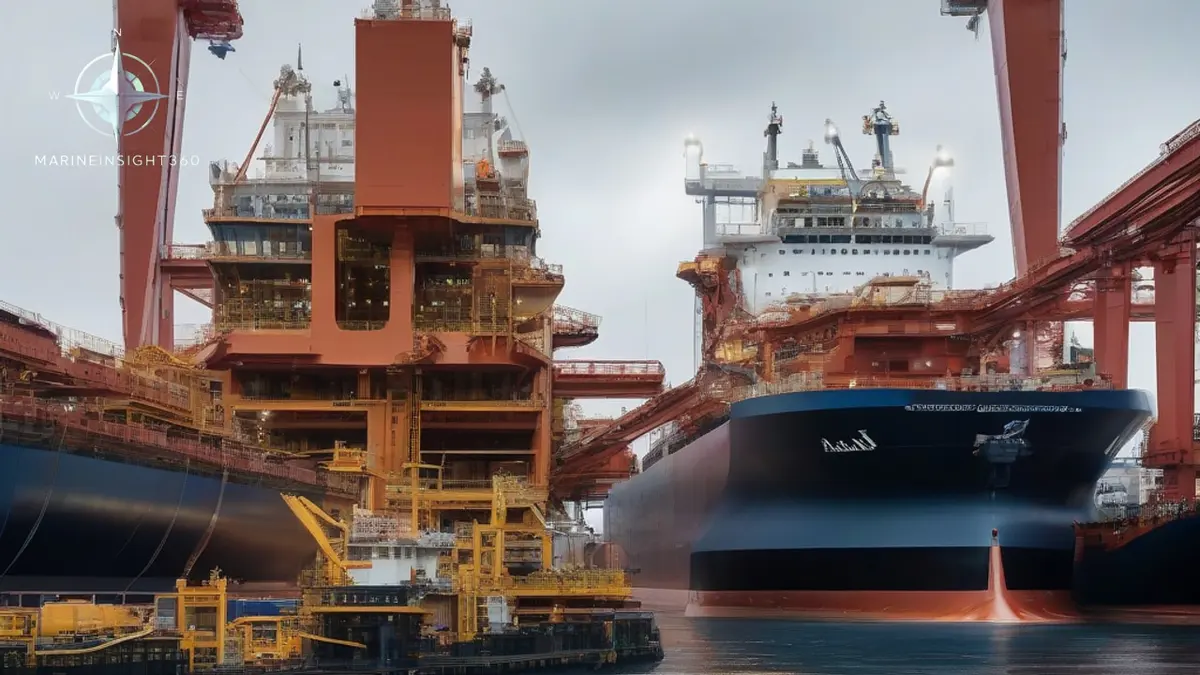
ExxonMobil's order for six eco-efficient shuttle tanker newbuilds from Samsung Heavy Industries is a signal of confidence in dual-fuel propulsion, lower emissions and the long-term shuttle tanker market.
Tugs of Change: ExxonMobils Shuttle Tanker Newbuilds and the Evolving Seascape
The maritime industry thrives on a constant exchange of resources, and shuttle tankers play a crucial role in transferring crude oil from offshore production platforms to onshore refineries. Recent news from Splash247, reporting ExxonMobil's order for six new shuttle tankers, ripples through the industry. That sparked questions about the future of oil transportation, technological advancements, and the impact on the maritime workforce. This blog post dives deep into the significance of ExxonMobils move, explores the changing landscape of the shuttle tanker market, and examines the broader implications for the maritime industry.
Setting the Course: ExxonMobil Charts a New Path with Shuttle Tanker Investments:
ExxonMobil's order for six eco-efficient shuttle tankers from Samsung Heavy Industries marks a significant step forward [1]. These new vessels, boasting dual-fuel capabilities and advanced emission reduction technologies, represent a strategic shift for the energy giant:
- Environmental Focus. The eco-efficient design aligns with ExxonMobil's commitment to sustainability, reducing emissions and minimizing the environmental impact of their operations.
- Technological Leap. The dual-fuel capability allows for flexibility in using cleaner-burning fuels like LNG, demonstrating a commitment to technological innovation within the sector.
- Market Confidence. The sizeable order indicates ExxonMobil's confidence in the long-term viability of the shuttle tanker market, despite recent fluctuations in oil prices.
Navigating the Seascape: The Evolving Shuttle Tanker Market:
The shuttle tanker market faces several challenges and opportunities:
- Fluctuating Oil Prices: Volatile oil prices can impact demand for transportation services, creating uncertainty for operators.
- Stricter Environmental Regulations: Stringent emissions regulations necessitate investments in cleaner technologies and operational practices.
- Technological Advancements: Automation and digitalization are transforming the industry, potentially impacting workforce requirements.
However, opportunities also abound:
- Growing Demand in Emerging Markets. Increased oil production in regions like Africa and South America drives demand for shuttle tanker services.
- Focus on Efficiency: New technologies and operational improvements lead to more efficient vessels, reducing costs and enhancing profitability.
- Expansion into Renewables: Some shuttle tanker operators are exploring diversification into transporting alternative fuels like biofuels or ammonia.
Anchors Aweigh: Implications for the Maritime Workforce:
ExxonMobil's newbuilds and the evolving shuttle tanker market have implications for the maritime workforce:
- Skillset Evolution: Automation and digitalization may require upskilling and reskilling initiatives for seafarers to adapt to new technologies.
- New Career Paths: Opportunities may arise in areas like data analysis, cybersecurity, and maintenance of advanced onboard systems.
- Focus on Sustainability . Environmental awareness and regulations may create demand for personnel skilled in operating eco-efficient vessels and adhering to sustainable practices.
Beyond the Horizon: A Sustainable Course for the Shuttle Tanker Fleet:
As the shuttle tanker market navigates shifting tides, several trends will shape its future:
- Sustainability Focus: Continued emphasis on emissions reduction and cleaner technologies will be crucial for long-term viability.
- Technological Advancements: Automation, digitalization, and alternative fuels will likely play a significant role in enhancing efficiency and competitiveness.
- Collaboration and Regulation: Industry-wide collaboration and supportive regulations can encourage responsible practices and sustainable growth.
Conclusion: Charting a Sustainable Future Together:
ExxonMobils shuttle tankerorder signifies a strategic move towards a more sustainable and technologically advanced future for the industry. While challenges persist, advancements in technology, a focus on environmental responsibility, and a skilled and adaptable workforce are crucial for the long-term success of the shuttle tanker market. By working together, industry players, governments, and educational institutions can ensure that the maritime industry navigates these changing seas responsibly and sustainably.
Career planning context
For cadets, ratings and officers, exxonmobils shuttle tanker newbuilds should be read alongside current company requirements, flag-state rules, medical fitness standards and training-provider instructions. The pathway can change by country, rank, vessel type and previous sea service, so candidates should verify documents before paying fees or accepting a joining offer.
Recommended Reading
Important Points for Committing Cargo Quantities in Tanker Ships
Important Points for Committing Cargo Quantities in Tanker Ships: ports, trade and shipping-market context for US, UK, Canada, Australia, Singapore and...
Is the Tanker Market Overly Growing?
Is the Tanker Market Overly Growing?: ports, trade and shipping-market context for US, UK, Canada, Australia, Singapore and European maritime readers.

Sonion Tanker 'Poses Environmental Risk' After Attack In Red Sea
Sonion Tanker 'Poses Environmental Risk' After Attack In Red Sea: safety, training and compliance context for US, UK, Canada, Australia, Singapore and...