Container Shipping Disruptions
Geopolitical tensions disrupt container shipping
Disruptions in Container Shipping
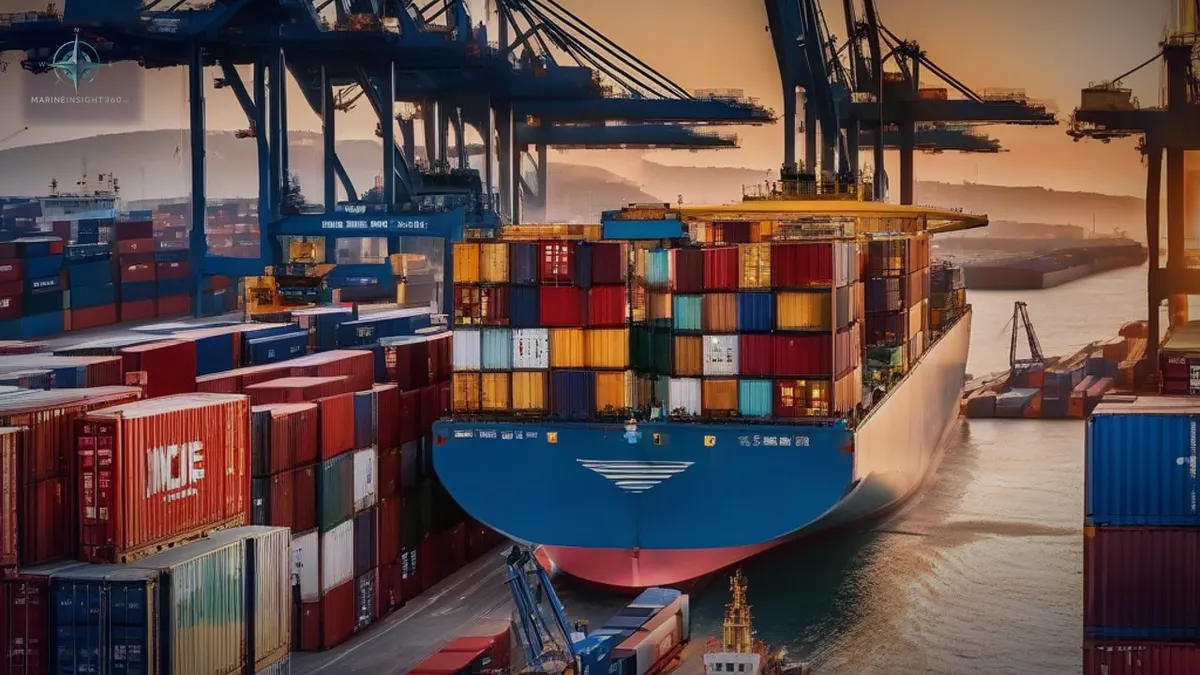
The container shipping market is facing significant disruptions due to the Hormuz crisis, with a 7,000 teu Global Feeder Shipping containership being attacked and caught fire, forcing the crew to abandon ship (Splash247). This incident has led to a sharp decline in traffic, with Tehran declaring the strait closed, while Washington insists it remains open.
Impact on Shipping Operators
The current situation is having a direct impact on shipping operators, with many facing uncertainty and increased risks. The attack on the Global Feeder Shipping containership has highlighted the vulnerability of ships operating in the region. Erasmus Shipinvest, an Athens-based owner, has recently signed a contract for two firm 1,900 teu feeder containerships, with options for two more, indicating that some operators are still investing in new tonnage despite the challenges (Splash247).
Decarbonisation Efforts
The World Shipping Council has welcomed the European Commission's EU ETS revisions, which aim to accelerate alternative maritime fuels and channel revenues back into shipping's decarbonisation (Hellenic Shipping News). The proposed fuel mechanism follows the policy logic already used in aviation, and is seen as a positive step towards reducing emissions.
Container Shipping Disruptions is a safety development with wider security context for shipping readers, especially where safety, compliance, crewing, trade flow or fleet decisions may be affected.
Why this story matters
Container Shipping Disruptions matters because shipping news rarely stays inside one lane. A single development can affect vessel operators, charterers, insurers, port teams, seafarers, equipment suppliers and regulators at the same time.
For readers in the United States, United Kingdom, Europe, Canada, Australia and Singapore, the value is in the practical signal behind the headline: what the development changes, what still needs confirmation and how it may affect decisions across safety, compliance, trade or fleet planning.
Operational context
Security and route-risk stories can influence voyage planning, war-risk clauses, crew briefings and insurer expectations. The operational question is not only what happened, but which teams need to respond. Ship managers may need to review risk assessments, commercial teams may revisit costs or schedules, and crews may need clearer instructions before the next voyage or port call.
This is also why source attribution matters. When a story involves prices, incidents, regulations, vessel orders, security risk or public policy, readers should compare the report with official notices, company updates and port or flag-state guidance before acting.
What to watch next
- Whether official agencies, port authorities, companies or class societies publish follow-up guidance.
- Whether the issue changes vessel schedules, insurance terms, chartering decisions, recruitment demand or compliance checks.
- Whether the story remains local, or becomes relevant to wider routes, fleets and maritime markets.
- Whether new evidence confirms the early reporting or narrows the practical impact for readers.
Reader takeaway
The useful way to read this safety update is to separate confirmed facts from operational implications. The headline gives the event; the follow-up work is deciding who needs to know, which record should be checked and whether the development affects safety, cost, schedule, compliance or career planning.
Marine Insight 360 will continue to treat stories like this as part of the wider maritime picture, where readers need clear context rather than isolated headlines.
Regional reader context
Readers in mature maritime markets often need a sharper reading of a shipping update than a basic summary provides. In the United States, United Kingdom, Europe, Canada, Australia and Singapore, the same development can affect procurement checks, insurer questions, port-state expectations, customer due diligence, crew briefings or public-sector policy. That regional lens helps readers decide whether the story is background noise or a signal that should be tracked.
Source and verification notes
For any fast-moving maritime report, the first version should be treated as a verified starting point rather than the final operational file. Readers should check whether the named company, authority, port, class society, insurer or government agency has issued a direct update. That matters because later notices may clarify figures, timing, scope, cause, vessel status or the actions expected from crews and shore teams.