Container Shipping Trends
Container freight rates are climbing, driven by Asia-Europe trade
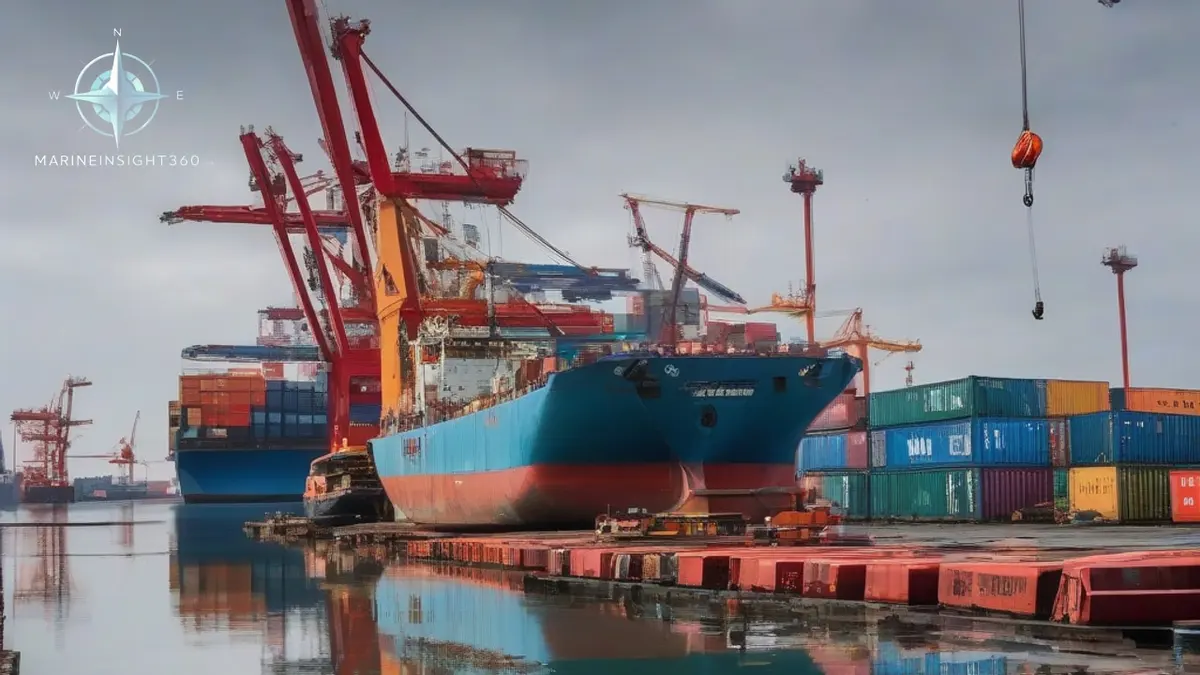
Container shipping rates are climbing, with Drewry's World Container Index at USD 4,639 per forty-foot box on 9 July, its highest since September 2024, while the Container Ship Safety Forum reported fire frequency rising for a third consecutive year.
Current Market Trends
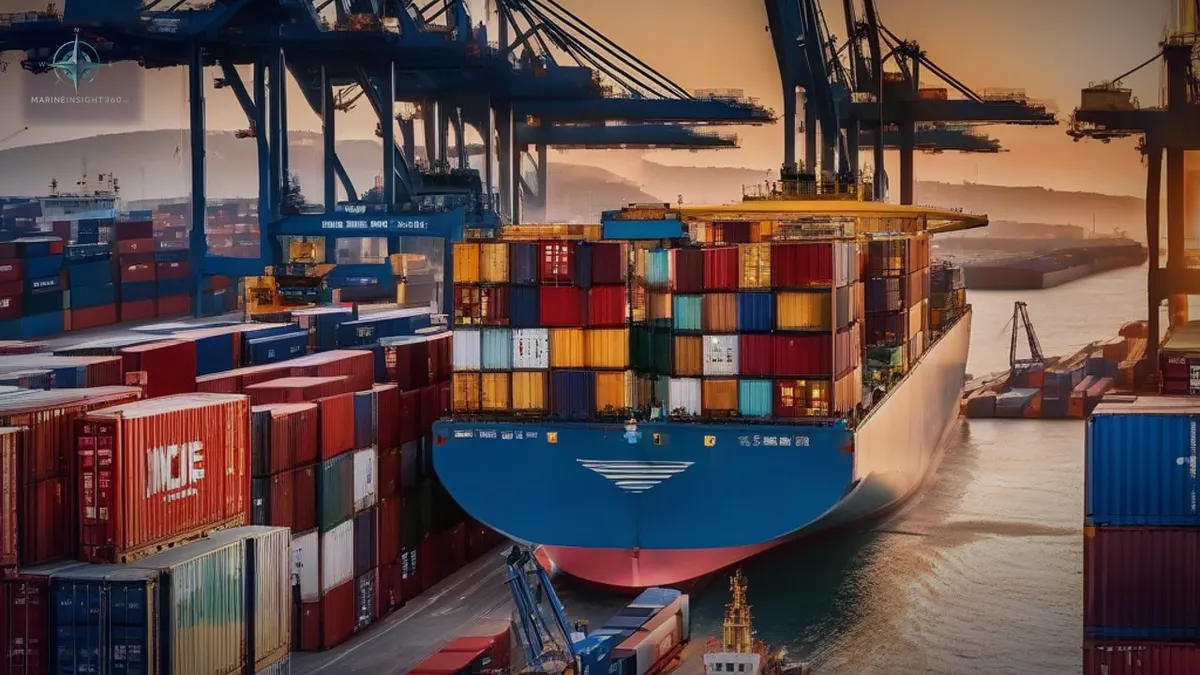
Container freight rates have continued to climb, with Drewry's World Container Index reaching USD 4,639 per forty-foot container on 9 July, its highest level since September 2024, driven largely by rising rates on Asia-Europe trade routes (Hellenic Shipping News). This increase is attributed to geopolitical recovery and logistics recovery.
Greek owner Minerva Dry has also moved into larger containerships with an order for four 6,000 teu newbuildings at China's Hengli Heavy Industries (Splash247). The ships are expected to be delivered in 2028.
Safety Concerns and New Routes
The Container Ship Safety Forum (CSSF) reported that member fleets improved in several key safety metrics last year, but fire frequency rose for a third consecutive year (Splash247). This trend is a concern for the industry, as fires on containerships can have severe consequences.
China's Sealegend Shipping plans to launch the first scheduled weekly container shipping service between China and Europe via the Northern Sea Route (NSR) this summer, marking a significant step toward regular commercial container operations across the Arctic (gCaptain).
Investments and Implications
The launch of the Arctic container service is a significant development for the industry, as it opens up new trade routes and opportunities. Minerva Dry's investment in newbuildings is also a notable development, as it indicates a shift towards larger containerships.
The price of the newbuildings has not been disclosed, but comparable ships are being quoted at around $80m each (Splash247). This investment is a sign of confidence in the container shipping market, despite the challenges posed by fires and other safety concerns.
Operational Impact
The rise in container freight rates and the launch of new routes and services will have significant implications for operators. They will need to adapt to changing market conditions and invest in new technologies and safety measures to mitigate the risk of fires and other accidents.
Crews typically need to be trained to respond to fires and other emergencies, and operators must ensure that their ships are equipped with the necessary safety equipment. For more information on container shipping trends and safety measures, readers can visit the Marine Insight 360 Knowledge Base.
Why this story matters
Container Shipping Trends matters because shipping news rarely stays inside one lane. A single development can affect vessel operators, charterers, insurers, port teams, seafarers, equipment suppliers and regulators at the same time.
For readers in the United States, United Kingdom, Europe, Canada, Australia and Singapore, the value is in the practical signal behind the headline: what the development changes, what still needs confirmation and how it may affect decisions across safety, compliance, trade or fleet planning.
Operational context
Safety stories need careful reading because early reports can change as investigations, inspections or company reviews progress. The operational question is not only what happened, but which teams need to respond. Ship managers may need to review risk assessments, commercial teams may revisit costs or schedules, and crews may need clearer instructions before the next voyage or port call.
This is also why source attribution matters. When a story involves prices, incidents, regulations, vessel orders, security risk or public policy, readers should compare the report with official notices, company updates and port or flag-state guidance before acting.
What to watch next
- Whether official agencies, port authorities, companies or class societies publish follow-up guidance.
- Whether the issue changes vessel schedules, insurance terms, chartering decisions, recruitment demand or compliance checks.
- Whether the story remains local, or becomes relevant to wider routes, fleets and maritime markets.
- Whether new evidence confirms the early reporting or narrows the practical impact for readers.
Reader takeaway
The useful way to read this safety update is to separate confirmed facts from operational implications. The headline gives the event; the follow-up work is deciding who needs to know, which record should be checked and whether the development affects safety, cost, schedule, compliance or career planning.
Marine Insight 360 will continue to treat stories like this as part of the wider maritime picture, where readers need clear context rather than isolated headlines.