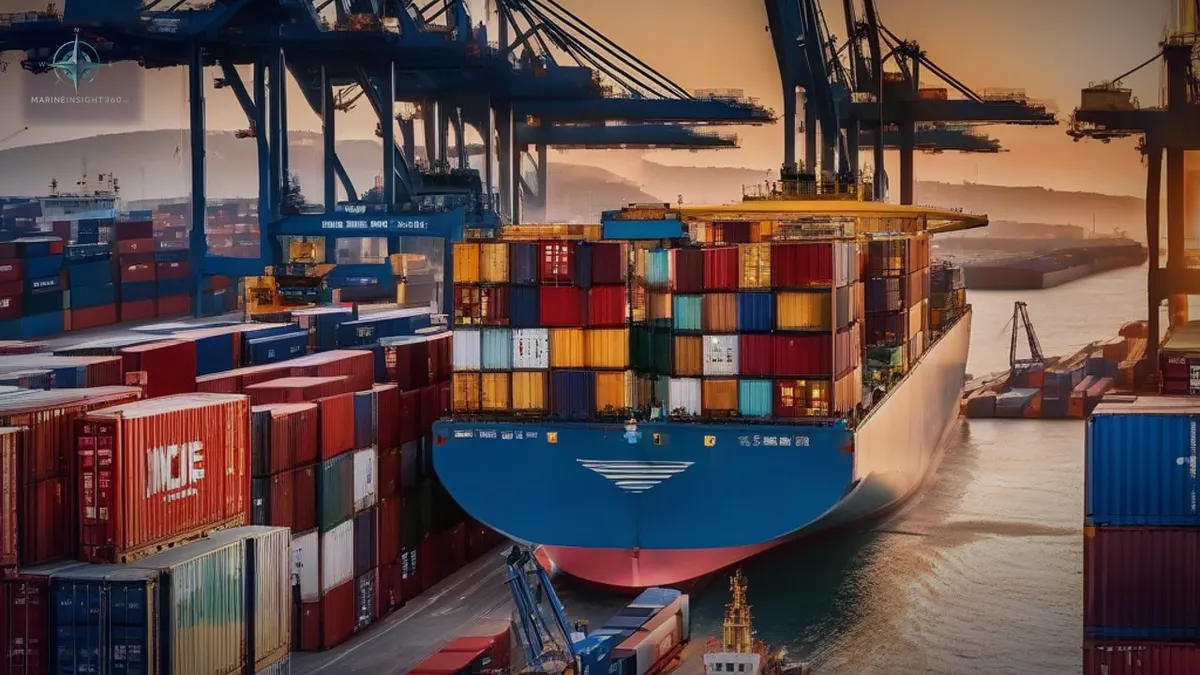
Simandou Iron Ore Trade Impacts Dry Bulk Market
VLOCs dominate Simandou iron ore trade, affecting capesize owners
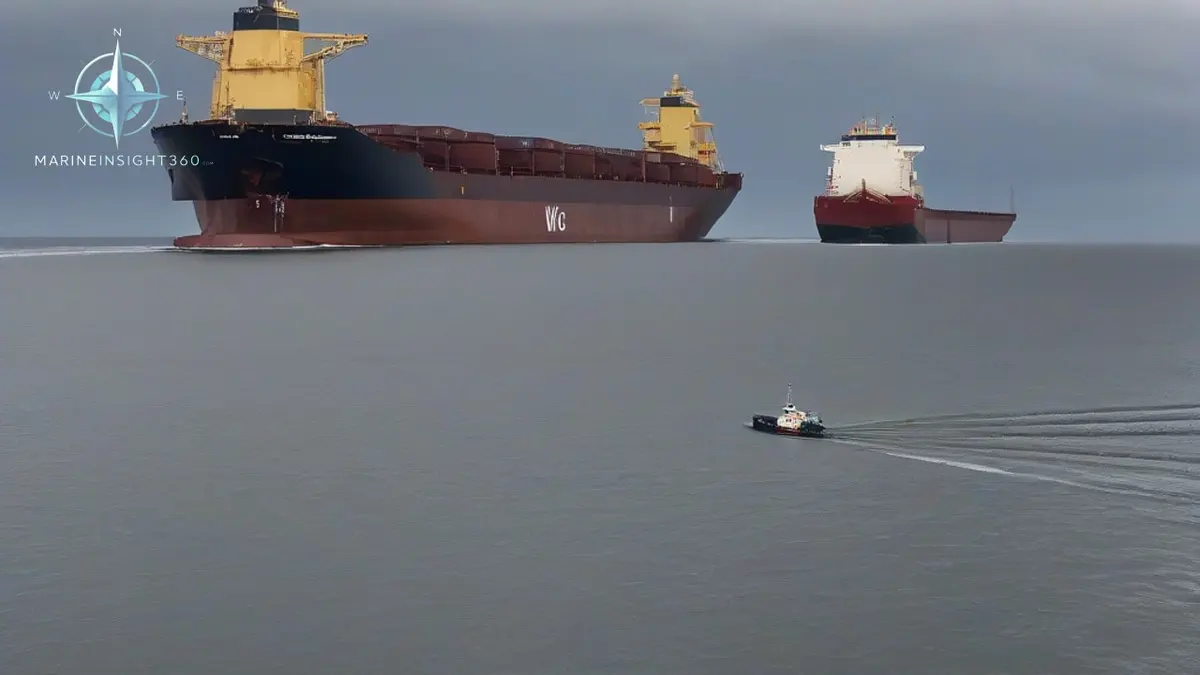
Dry Bulk Market Shifts with Simandou Trade
The dry bulk market is experiencing a shift with the emergence of the Simandou iron ore trade between Guinea and China. This new trade is developing into a tightly controlled conveyor belt dominated by very large ore carriers (VLOCs), which could impact capesize owners who are counting on Simandou to transform the dry bulk shipping market.
Market Trends and Indices
The Baltic dry index has been volatile, with a 0.7% increase to 2,863, as reported by Hellenic Shipping News. The capesize index rose 1.5% to 4,538, while the supramax index went up 0.6% to 1,622. These changes indicate a rebound in the market, but the overall trend is still uncertain.
VLOCs and the Simandou Trade
The use of VLOCs in the Simandou trade is a key factor in the dry bulk market. As noted by Splash247, broker SSY reported that VLOCs of more than a certain size are dominating this trade. This could lead to a decrease in demand for capesize vessels, as VLOCs are more efficient for transporting large quantities of iron ore.
Implications for Operators
For operators, the emergence of VLOCs in the Simandou trade may require adjustments to their strategies. They may need to consider the use of VLOCs or other efficient vessel types to remain competitive. The controlled nature of the conveyor belt system may also require operators to establish strong relationships with key players in the market.