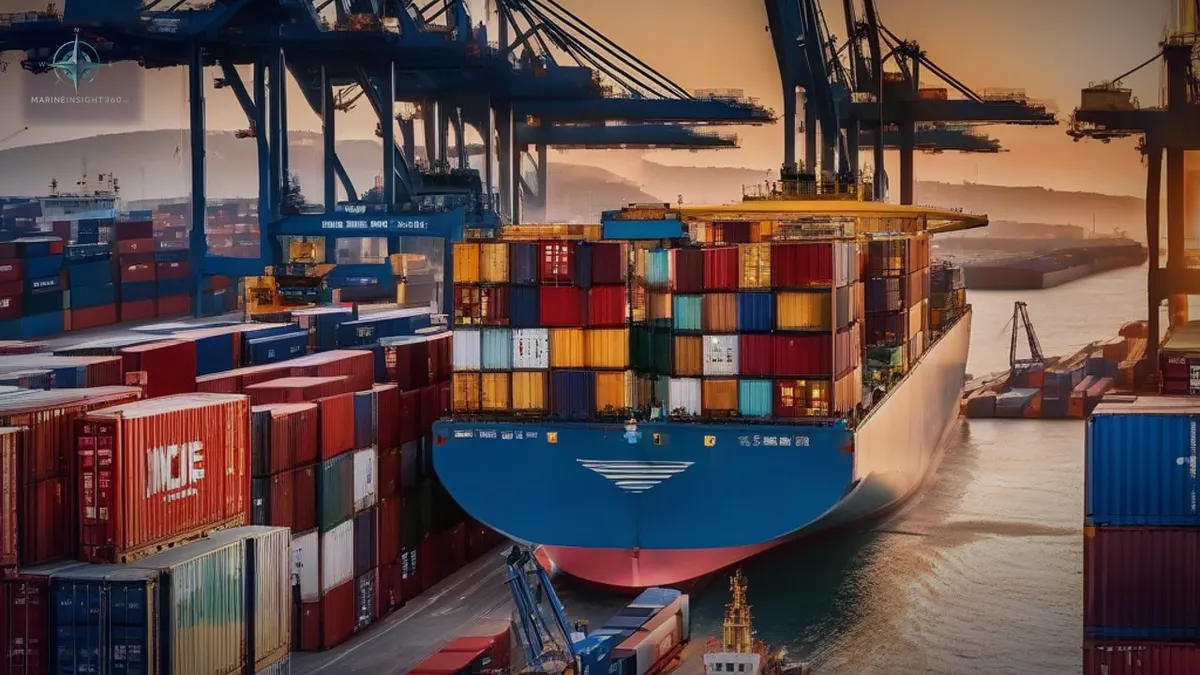
Guinea‑China VLOC Surge and New Supramax Bulker Shift Dry Bulk Market Dynamics
Very large ore carriers on the Guinea‑China corridor are compressing capesize rates while a new 22,800‑ton supramax adds flexible capacity, forcing operators to rethink
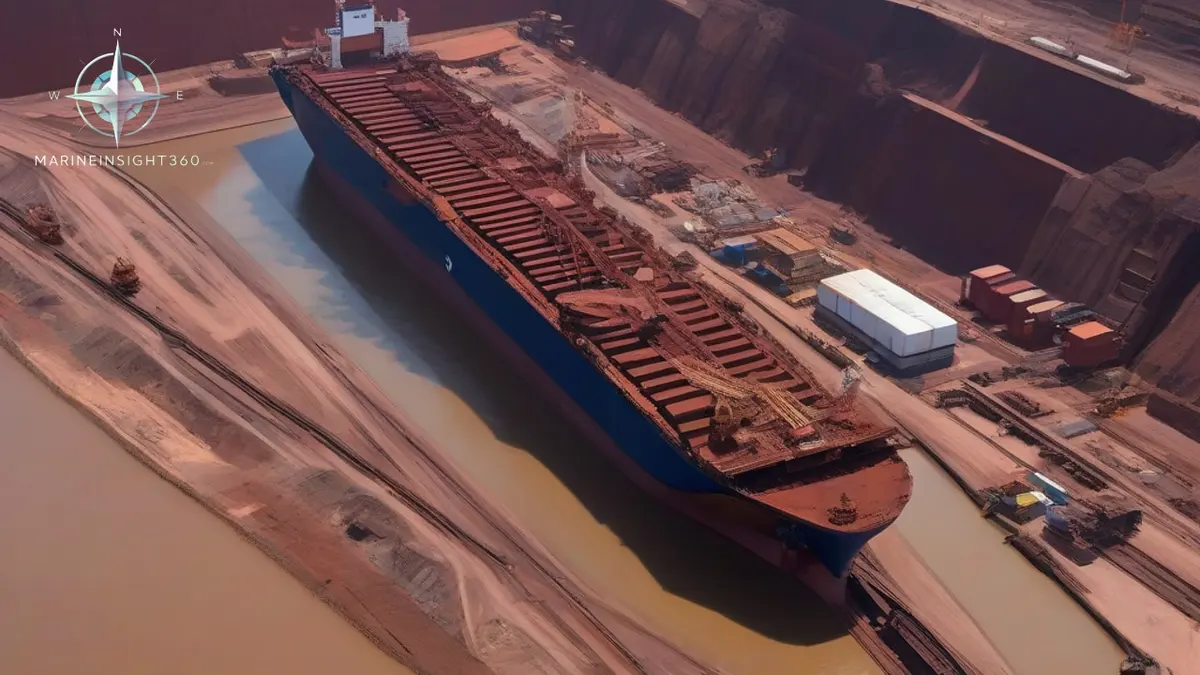
Baltic Dry Index Shows Short‑Term Rebound
The Baltic Dry Index rose 0.7 % to 2,863 on Friday, ending a four‑day decline. Capesize freight gained 1.5 % to 4,538 and the supramax index climbed 0.6 % to 1,622, its highest level since 28 July.
These movements mask deeper structural changes driven by new trade patterns and vessel supply.
VLOC Conveyor Belt Redefines Guinea‑China Iron‑Ore Trade
Very large ore carriers (VLOCs) over 200,000 dwt are now the dominant vessel type on the Simandou‑to‑China route, loading up to 400,000 t of ore per call. This “conveyor belt” model reduces the number of voyages needed, lowering per‑ton freight costs for shippers but squeezing revenue potential for traditional capesize owners.
Cap‑size operators can expect fewer spot opportunities on West African iron‑ore routes and may need to secure longer‑term contracts with coal or grain shippers.
New 22,800‑Ton Supramax Vessel Adds Flexible Capacity
On 15 September 2026 a public online bidding will be held for the 22,830.6‑ton bulk carrier MV YONG DING HE. The ship measures 158.8 m LOA, 24.0 m beam and 13.2 m depth, with a gross tonnage of 136,300. Classified by OMCS and flagged Panama, it sits in the supramax‑panamax range, allowing access to ports with draft restrictions that capesize vessels cannot reach.
The added capacity provides a buffer for cargoes displaced from capsize routes and can moderate supramax charter‑rate volatility.
Strategic Implications for Shipowners
Owners of older capesize vessels should evaluate conversion to lower‑deadweight configurations or consider sale, as VLOC‑compatible ships command limited premiums.
Operators with supramax or panamax fleets can target grain from the Black Sea and coal from Australia to Europe, exploiting the YONG DING HE’s port accessibility.
Adopting slow‑steam speed‑reduction programs and investing in scrubbers or LNG conversions can improve fuel efficiency and meet emerging IMO carbon‑intensity targets.
Key Risks and Monitoring Points
- Further VLOC orders could deepen capsize rate pressure.
- An influx of mid‑size bulkers may depress supramax rates if demand stalls.
- Bunker price spikes could erode the cost advantage of slower VLOC operations.
- Port infrastructure upgrades in West Africa may limit VLOC access, preserving a niche for supramax vessels.
Bottom Line and Next Steps
The Guinea‑China iron‑ore corridor is shifting to a VLOC‑driven model that caps capsize upside, while the introduction of a 22,800‑ton supramax expands flexible capacity. Shipowners who re‑position fleets, lock in longer‑term charters and enhance fuel‑efficiency measures will be better placed to navigate the evolving dry‑bulk market.
Next step: For detailed charter‑negotiation tactics and fleet‑optimisation guidance, visit the Marine Insight 360 Knowledge Base under “Shipboard Operations”.