Maersk Expands Capacity While CMA CGM Orders LNG‑Powered 1,700‑TEU Ships to What It Means for Operators
Maersk is dropping its 4‑million‑TEU fleet ceiling and CMA CGM is adding six LNG‑dual‑fuel 1,700‑TEU vessels, signalling a dual trend of mega‑scale growth and greener mi
What happened
Maersk’s Strategic Shift: Abandoning the 4‑Million‑TEU Ceiling
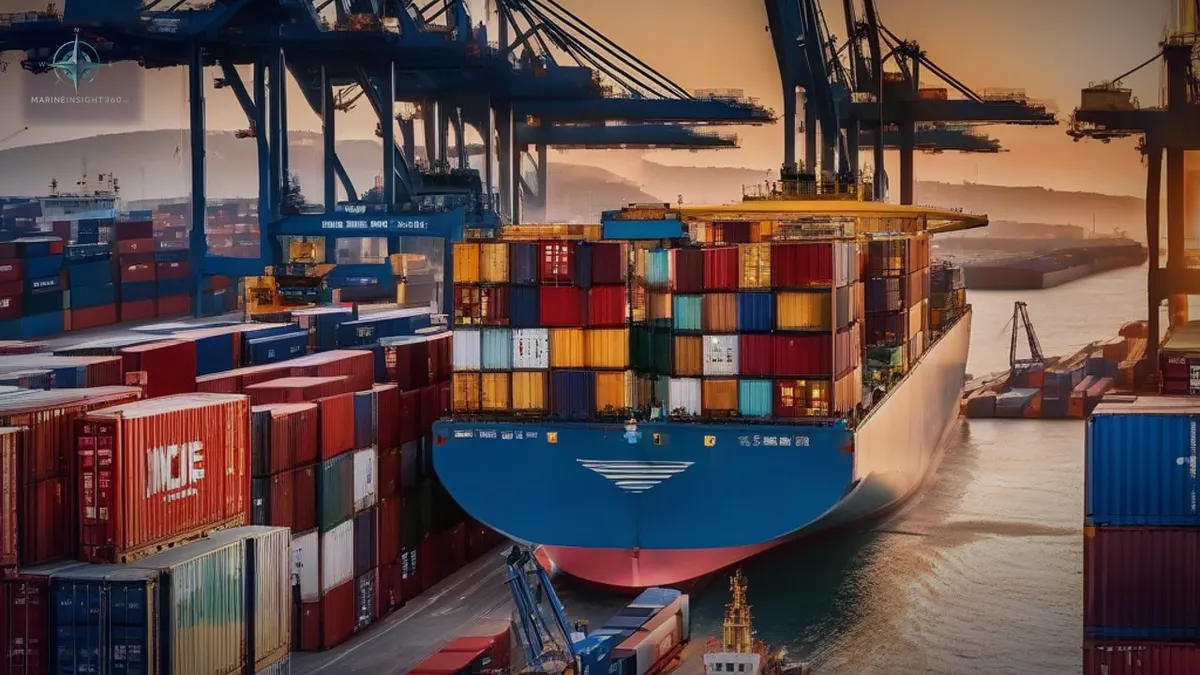
Maersk announced it will no longer limit its containership fleet to the 4 million‑to‑4.4 million TEU range that defined its strategy for the 2020s (Splash247). The carrier plans to add new capacity beyond that band, a move aimed at capturing post‑pandemic freight growth and reinforcing market share.
Direct answer (40‑60 words): Maersk is lifting its long‑standing 4‑million‑TEU fleet ceiling, while CMA CGM is commissioning six 1,700‑TEU LNG‑dual‑fuel ships, a combination that expands total capacity and introduces greener mid‑size vessels, forcing operators to plan for larger fleets, new fuel infrastructure and updated crew competencies.
The decision reflects confidence in sustained demand recovery after 2020‑2022 volatility. By expanding the upper end of its fleet, Maersk can deploy additional ultra‑large container vessels (ULCVs) on high‑density Asia‑Europe lanes, improving economies of scale.
Operationally, the shift means shipowners must revisit long‑term financing, as larger ships require higher capital outlays and tighter cash‑flow management. It also pressures shipyards to accelerate delivery schedules for 20,000‑plus TEU builds, potentially tightening berth availability at major yards.
The Emerging LNG‑Powered Small‑Midsize Segment
CMA CGM’s order for six 1,700‑TEU dual‑fuel LNG vessels marks a clear move toward cleaner propulsion in the small‑midsize market (Hellenic Shipping News; gCaptain). These ships will be built at Cochin Shipyard Limited (CSL) in India and are slated for delivery between 2029 and 2031.
At 1,700 TEU, the vessels sit below the 3,000‑TEU threshold where many operators still favour diesel‑only engines. LNG offers up to a 25 % reduction in CO₂ emissions and eliminates sulphur oxides, aligning with IMO’s 2020 sulphur cap and the 2023 GHG reduction strategy.
The dual‑fuel arrangement allows operators to switch between LNG and low‑sulphur marine gas oil (MGO) depending on bunker availability, mitigating the risk of fuel‑supply gaps in regions where LNG infrastructure is still developing.
MacGregor’s Hatch‑Cover Order: Technical Scope and Timeline
MacGregor was selected to supply a full suite of hatch‑cover and cargo‑handling equipment for the six CSL builds (Hellenic Shipping News; gCaptain). The contract covers deck machinery, lashing systems, and automated hatch covers designed for LNG‑dual‑fuel operations.
Delivery is spread over a three‑year window, with the first vessel expected in 2029 and the final unit in 2031. The staggered schedule allows CMA CGM to integrate the new ships gradually, testing LNG bunkering procedures and crew familiarisation before full fleet deployment.
MacGregor’s involvement ensures that the hatch‑cover systems meet class society requirements for LNG‑powered vessels, which often demand tighter sealing tolerances to prevent gas ingress and to comply with DNV‑GL or Lloyd’s Register standards.
Operational Implications for Shipowners and Operators
The two developments create divergent operational pressures. Maersk’s capacity expansion pushes operators to manage larger vessel rotations, deeper drafts, and port‑call optimisation on congested terminals such as Rotterdam, Shanghai and Los Angeles.
Conversely, the introduction of 1,700‑TEU LNG ships adds complexity to bunker logistics. Operators must secure reliable LNG supply chains, negotiate bunker contracts, and possibly invest in on‑shore LNG storage at hub ports.
Both trends affect scheduling software. Larger ULCVs require advanced stowage planning to minimise ballast and maximise load factor, while LNG‑dual‑fuel ships need real‑time fuel‑type monitoring to avoid costly fuel switches mid‑voyage.
Crew Training and Regulatory Considerations
STCW (the international convention setting minimum training standards for seafarers) now requires specific LNG safety modules for crew on dual‑fuel vessels. Operators must certify engineers in LNG handling, gas detection, and emergency shutdown procedures.
Port state control officers under the Paris MoU are increasingly scrutinising LNG bunkering records, so accurate log‑keeping is essential. For Maersk’s larger ships, bridge officers will need refresher training on advanced navigation systems that support higher speeds and tighter maneuvering corridors.
Failure to meet these training standards can result in detention, delayed cargo discharge, and higher charter penalties.
Market Impact: Capacity, Fuel Choice, and Competitive Positioning
Maersk’s move effectively raises the total global container capacity ceiling by an estimated 200,000‑300,000 TEU, assuming a modest addition of two 20,000‑TEU vessels. This extra space could temper freight rates if demand does not keep pace, benefitting shippers but pressuring smaller carriers.
CMA CGM’s LNG‑midsize order signals that green propulsion is no longer confined to mega‑vessels. As more carriers adopt LNG in the 1,000‑2,000 TEU segment, bunker markets will see increased demand for LNG bunkering infrastructure at secondary ports, potentially lowering LNG price spreads versus MGO.
The combined effect may accelerate a bifurcated market: a handful of carriers dominate the ultra‑large segment, while a growing cohort competes on sustainability in the feeder and regional trades.
Risks and Decision Criteria for New Builds
Operators considering similar expansions should weigh three core risks:
- Financing risk to Larger ships increase debt exposure; interest‑rate volatility can erode profitability. 2. Fuel‑supply risk to LNG availability varies by region; a shortage could force costly MGO use, negating emissions benefits. 3. Regulatory risk to Future IMO amendments may tighten CO₂ caps, requiring retrofits such as wind‑assist or battery hybrids, especially on vessels built before 2030.
Decision criteria should include projected cargo volumes on targeted lanes, bunker price forecasts, and the shipyard’s delivery reliability record. CSL’s recent track record of on‑time delivery for Indian‑flag projects adds confidence for the 2029‑2031 timeline.
What to Watch: Upcoming Deliveries and Policy Trends
- First LNG‑dual‑fuel delivery (2029) to Monitor CMA CGM’s operational data on fuel consumption, emissions, and turnaround times. - Maersk’s next ULCV order to Look for announcements of vessel size, engine type, and any shift toward alternative fuels such as methanol or ammonia. - IMO’s 2025 carbon intensity indicator (CII) enforcement to Both fleets will be assessed; early compliance can become a market differentiator. - Global LNG bunkering network expansion to New terminals in the Mediterranean, West Africa and the US Gulf Coast will affect route economics for 1,700‑TEU ships.
Staying ahead of these milestones will allow operators to adjust charter strategies, negotiate bunker contracts, and plan crew certifications proactively.
Bottom Line
Maersk’s abandonment of its 4‑million‑TEU ceiling and CMA CGM’s order for six LNG‑dual‑fuel 1,700‑TEU vessels illustrate a dual industry trajectory: scaling up ultra‑large capacity while greening the mid‑size segment. Operators must align financing, fuel logistics, and crew training to these trends or risk losing competitive edge.
For detailed guidance on LNG bunkering contracts, see the Marine Insight 360 Knowledge Base “LNG for Container Ships”.
---
*All factual statements are drawn from Splash247, Hellenic Shipping News and gCaptain.*