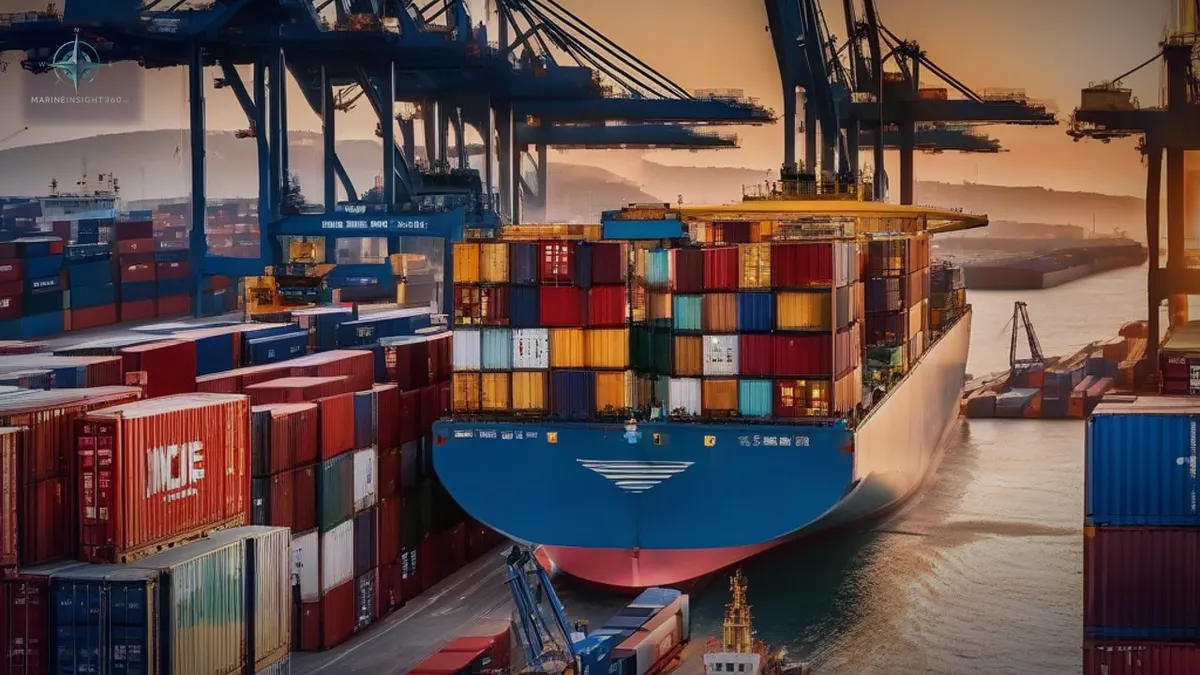
Red Sea Shipping Disruption: Houthi Blockade and Potential Toll Scheme
Yemen's Houthis consider charging ships to pass through Bab el-Mandeb.
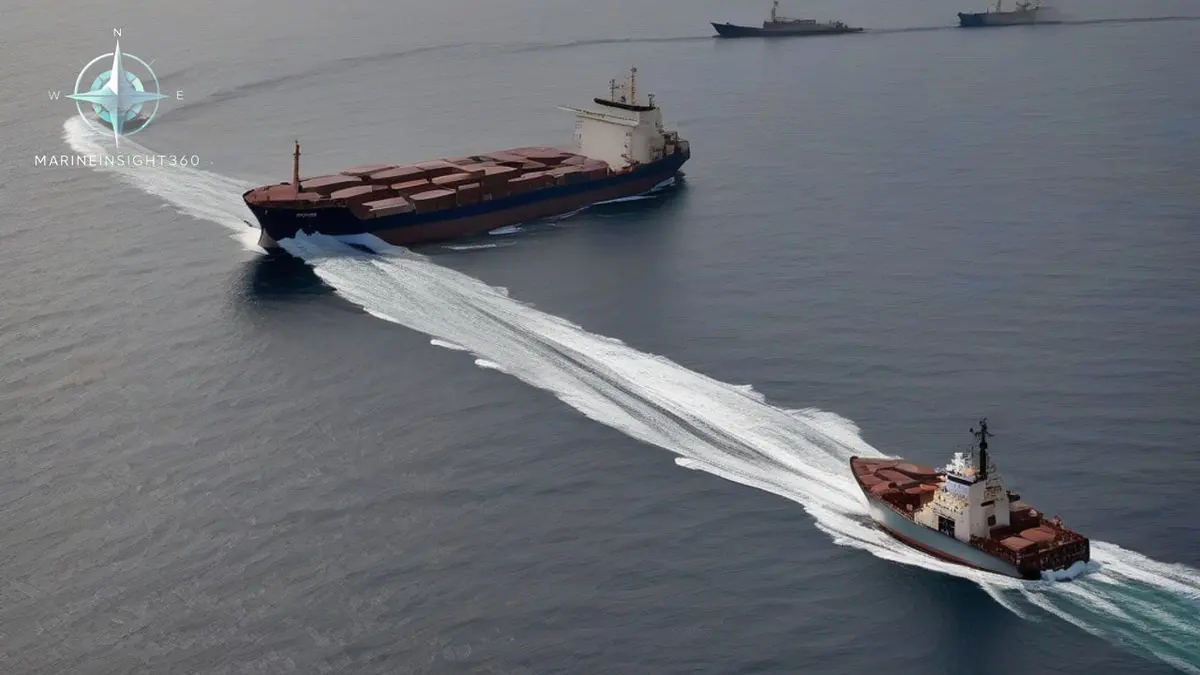
Yemen's Houthi movement is examining a toll on most vessels using the Bab el-Mandeb gateway, regional officials told Reuters, after its blockade cut Red Sea crossings 22% since the July 20 declaration.
Introduction to the Red Sea Disruption
The Red Sea has become a critical area of concern for shipping operators due to the Houthi blockade. Regional officials told Reuters that the Iran-aligned movement is examining fees for most vessels using the strategic gateway linking the Red Sea.
Background on the Blockade
The Houthi blockade has resulted in a significant decrease in tanker transits through Bab el-Mandeb. According to reports, crossings have fallen 22% since the July 20 blockade declaration, with tanker transits down.
Implications of the Toll Scheme
If the Houthi group imposes fees on commercial ships, it could have significant implications for operators. The toll scheme would likely increase costs for shipping companies, potentially affecting the profitability of routes that pass through the Red Sea.
Operational Impact
Shipping operators will need to carefully consider the risks and costs associated with navigating the Red Sea. The potential toll scheme, combined with the existing blockade, may lead to increased costs and reduced profitability for operators.
Next Steps for Operators
Operators should review their risk assessments and contingency plans to ensure they are prepared for any developments in the Red Sea. This may involve exploring alternative routes, adjusting schedules, or implementing additional security measures.