Red Sea Trade Eases as MSC Returns, Hormuz Deal Near
MSC restarts limited Suez services, Iran‑Oman talks progress and US clears Hormuz mines, yet Houthi threats keep Saudi oil routes longer and costlier.
Partial Suez Resumption Reduces Transit Times
Red Sea trade disruption is easing as MSC has restarted limited Suez Canal services, Iran and Oman are close to a Hormuz traffic agreement, and U.S. forces have cleared Iranian mines, but persistent Houthi threats still force Saudi oil tankers onto longer routes, raising transit time and cost.
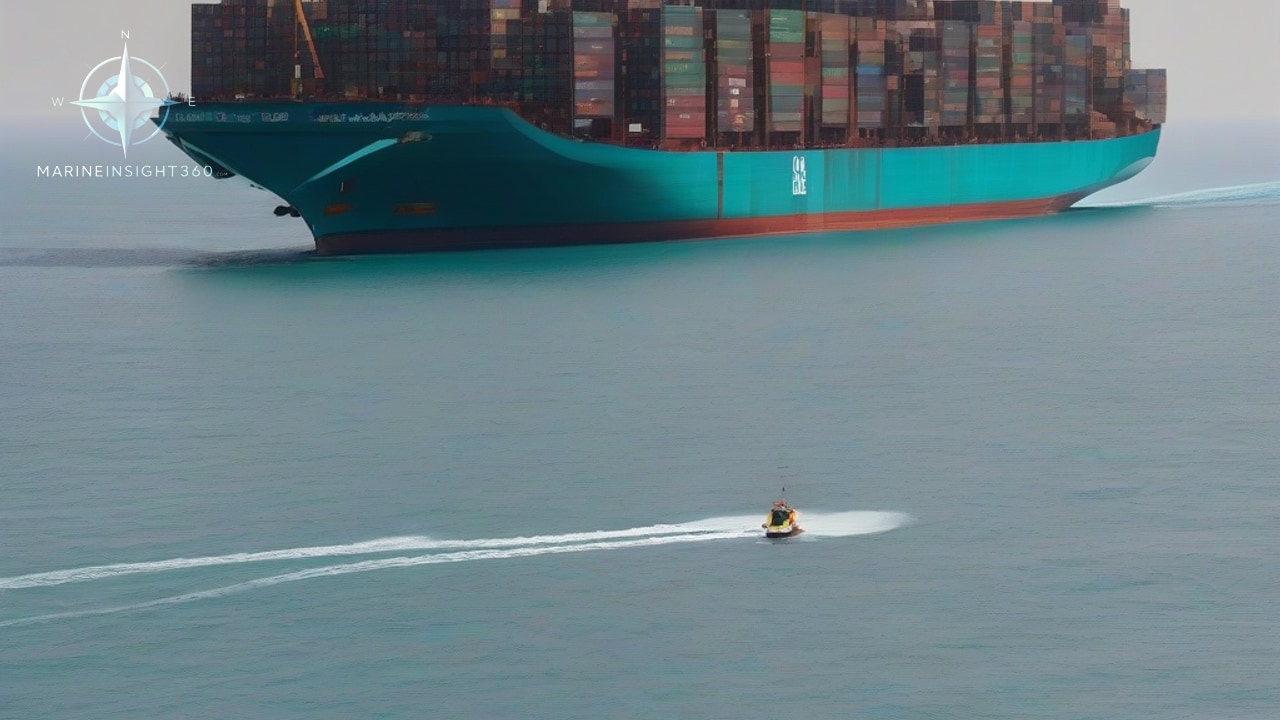
MSC began limited east‑west sailings on 20 August, covering selected services that avoid the Cape of Good Hope detour. The move signals confidence that the security environment has improved enough for scheduled voyages, though not all carriers have joined the program.
Hormuz Traffic Remains Limited Pending Iran‑Oman Pact
Iranian and Omani officials say a near‑term deal could regularise vessel movements through the Strait of Hormuz, but current traffic is described as “limited”. Data show only a fraction of pre‑conflict volumes are transiting the strait.
Saudi Oil Rerouting Increases Costs
Saudi Arabia is diverting crude away from the Red Sea, using an Egyptian pipeline and occasional Hormuz passages. The detour adds 2‑3 days of sailing and raises bunker consumption by roughly 10‑15 percent, costs that are passed to refiners and end‑users.
US Mine Clearance Improves Hormuz Safety
The U.S. Central Command cleared Iranian‑laid sea mines from the internationally recognised lanes of Hormuz, removing a major physical hazard. However, the risk of new mines or asymmetric attacks remains, keeping war‑risk premiums elevated.
New Jeddah Terminal Expands Capacity
CMA CGM and Saudi Arabia’s Red Sea Gateway Terminal are investing $434 million (≈ €400 million) in a new container terminal at Jeddah Islamic Port. The facility will add 1 million TEU of annual capacity and accommodate vessels up to 20 000 TEU, about 400 m (1 312 ft) long.
Operational Guidance for Carriers and Crews
Carriers should weigh speed against security when selecting routes: the MSC‑supported Suez lane offers the fastest transit, the Cape of Good Hope remains the lowest‑risk option, and a Hormuz‑Red Sea hybrid may become viable once the traffic pact is finalised. Updated bunker models, reinforced crew watch‑standing, and revised war‑risk insurance clauses are essential to manage the evolving threat landscape.