Red Sea Trade Disruption Escalates Amid Houthi Attacks
Houthi attacks on merchant ships are increasing in the Red Sea. An Indian-flagged cargo vessel recently sank after a suspected attack.
Splash247, Hellenic Shipping News, gCaptain via Marine Insight 360· Published · 8 min read
What happened
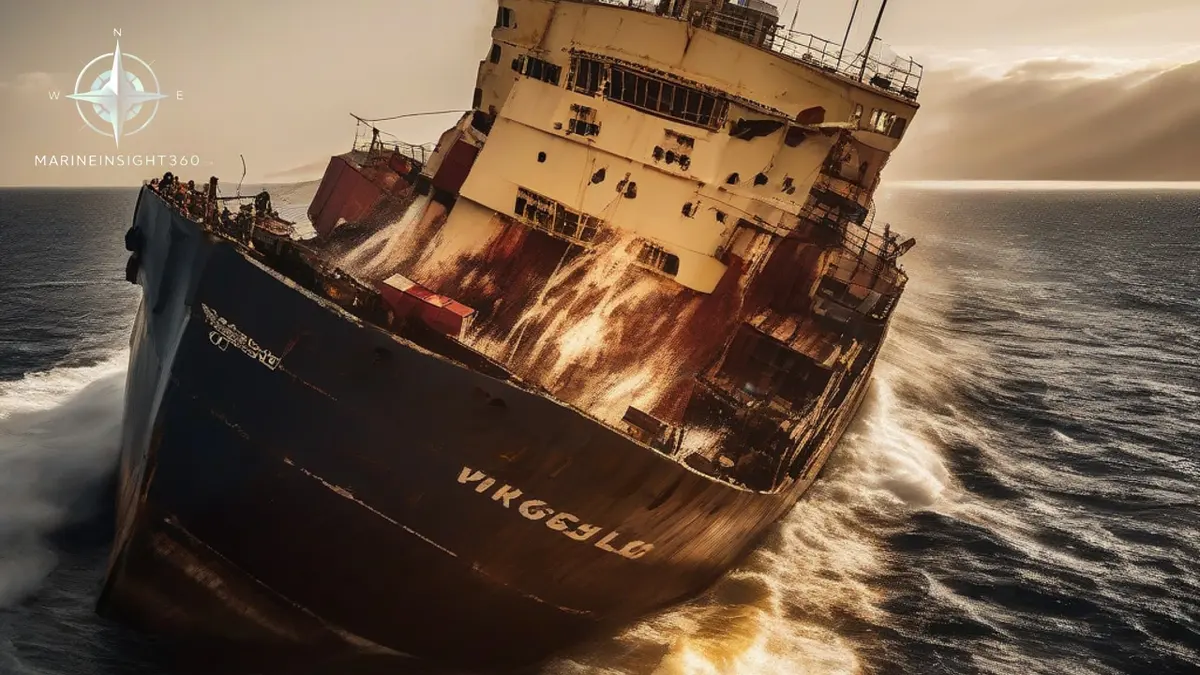
The Current Picture The Red Sea has become a volatile region for commercial shipping due to the increasing number of Houthi attacks on merchant vessels. A recent incident involved an Indian-flagged cargo vessel that sank in the southern Red Sea, reportedly after being struck by an explosives-laden boat off Yemen (gCaptain). This attack is part of a larger campaign by the Houthis against commercial shipping, with the group claiming responsibility for hitting a Bahri tanker (Splash247).
Geopolitical Tensions and Volatility Geopolitical tensions are fueling volatility in shipping rates, with Houthi attacks now restricting movements and transits into the Red Sea (Hellenic Shipping News). The situation is becoming increasingly complex, with the UK Maritime Trade Operations (UKMTO) issuing a fresh warning about a separate explosion near a vessel in the region (gCaptain). These developments are likely to have significant implications for shipping operators and the global supply chain.
Attack Claims and Incidents The Houthis have claimed responsibility for several attacks on Saudi oil tankers, including an eighth attack claimed on Wednesday (gCaptain). These claims are part of a broader escalation in the group's campaign against commercial shipping in the Red Sea. The attacks have resulted in significant disruptions to trade, with vessels being forced to take alternative routes or exercise extreme caution when transiting the region.
What the Data Shows While the exact number of attacks is not specified in the sources, the frequency and severity of incidents appear to be increasing. The Houthis' claims of responsibility for attacks on Saudi tankers and other vessels suggest a coordinated effort to disrupt commercial shipping in the Red Sea (gCaptain). The impact of these attacks on shipping rates and the global supply chain is likely to be significant, with operators facing increased costs and risks when transiting the region.
What This Means for Operators Shipping operators face significant challenges in navigating the Red Sea, with the increasing number of Houthi attacks posing a major threat to vessel safety and security. Operators may need to consider alternative routes or take additional security measures to mitigate the risks associated with transiting the region (Hellenic Shipping News). The UKMTO's warnings and the Houthis' claims of responsibility for attacks highlight the need for operators to exercise extreme caution when navigating the Red Sea.
What to Watch The situation in the Red Sea is likely to remain volatile, with the potential for further Houthi attacks on commercial shipping. Shipping operators and the global supply chain will need to closely monitor developments in the region, including any changes in Houthi tactics or the response of international authorities to the attacks (Splash247). The impact of these developments on shipping rates, vessel safety, and the global supply chain will be critical to watch in the coming weeks and months.
Regional Implications The Red Sea trade disruption has significant implications for regional trade and the global supply chain. The region is a critical transit point for international trade, with many vessels passing through the Red Sea en route to or from the Suez Canal (Hellenic Shipping News). The disruption to trade in the region is likely to have far-reaching consequences, including increased costs and risks for shipping operators and potential shortages of essential goods.
International Response The international community will need to respond to the increasing number of Houthi attacks on commercial shipping in the Red Sea. This may involve increased security measures, such as naval patrols or escort vessels, to protect merchant ships transiting the region (gCaptain). The UKMTO's warnings and the Houthis' claims of responsibility for attacks highlight the need for a coordinated international response to address the growing threat to vessel safety and security in the Red Sea.
Conclusion and Next Steps The Red Sea trade disruption is a critical issue for the shipping industry, with significant implications for vessel safety, security, and the global supply chain. Shipping operators, regional authorities, and the international community will need to work together to address the growing threat posed by Houthi attacks on commercial shipping in the region. For more information on this topic, please visit the Marine Insight 360 Knowledge Base or Shipboard Operations section.
Filed under:Safety