Red Sea Trade Disruption: Geopolitical Tensions Impact Shipping
Geopolitical tensions in the Middle East are disrupting Red Sea trade, with tanker shipping under fire. Saudi tankers have changed course due to Houthi threats.
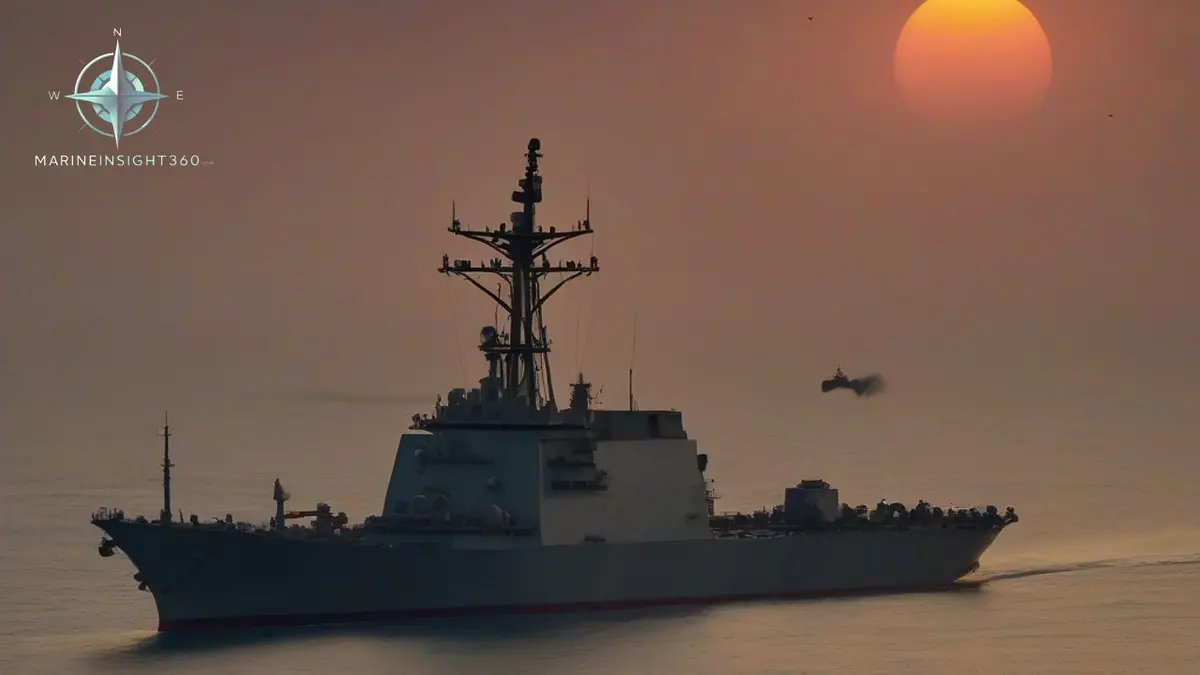
Six Saudi-flagged supertankers have changed course in the Gulf of Aden and are heading for southern Africa, ship-tracking data shows, as geopolitical tensions push Red Sea trade and tanker shipping onto longer routes.
What happened
The Current Picture
The global bunker market in July was shaped primarily by geopolitical developments, crude price volatility, regional supply dynamics and logistics constraints (Hellenic Shipping News). The key market drivers included Middle East geopolitical tensions, with ongoing uncertainty surrounding the Strait of Hormuz and Red Sea. This uncertainty has sustained geopolitical risk premiums across crude oil, marine fuels, and other commodities.
Geopolitical Tensions
The Middle East conflict has entered a new phase following the Houthis' imposition of a naval blockade (Hellenic Shipping News). This escalation has raised concerns regarding navigational safety in the region. The Houthis are tightening their grip on the Red Sea, while Iran is doing the same in the Strait of Hormuz. Chinese-linked shipping, however, is moving freely through both areas, with 22 Chinese vessels crossing the Red Sea unharmed (Hellenic Shipping News).
What the Data Shows
Ship-tracking data has shown that six Saudi-flagged supertankers have changed course in the Gulf of Aden and are heading to southern Africa (gCaptain). This change in course is due to threats by Yemen's Houthi movement to target Saudi shipping. Additionally, the key Saudi export port of Yanbu in the Red Sea has seen an increase in activity, with more ships transiting dark through the Bab el-Mandeb chokepoint (gCaptain).
Impact on Shipping
The current situation in the Red Sea is having a significant impact on tanker shipping. The GASLOG SHANGHAI, a Bermuda-flagged LNG tanker carrying Qatari LNG, was struck by a likely Iranian projectile (Hellenic Shipping News). This incident highlights the risks faced by ships operating in the region. Tanker shipping is under fire, and operators are having to take precautions to ensure the safety of their vessels and crew.
What This Means for Operators
The current situation in the Red Sea means that operators need to be aware of the risks and take necessary precautions. This includes changing course to avoid areas of high risk, such as the Gulf of Aden, and being prepared for potential attacks (Hellenic Shipping News). Operators also need to be aware of the impact of geopolitical tensions on the global bunker market and plan accordingly.
What to Watch
The situation in the Red Sea is fluid and can change quickly. Operators need to stay up to date with the latest developments and be prepared to adapt to changing circumstances. The Houthi movement's threats to target Saudi shipping are a concern, and operators need to be aware of the risks of operating in the region (gCaptain). Additionally, the impact of the current situation on the global bunker market needs to be monitored, as it can have a significant impact on shipping operations.
Conclusion
The Red Sea trade disruption is a complex issue, driven by geopolitical tensions in the Middle East. The situation is having a significant impact on tanker shipping, with operators facing risks and challenges. By staying informed and taking necessary precautions, operators can minimize the risks and ensure the safe operation of their vessels. The situation in the Red Sea is a reminder of the importance of navigational safety and the need for operators to be aware of the risks and challenges faced in the region.