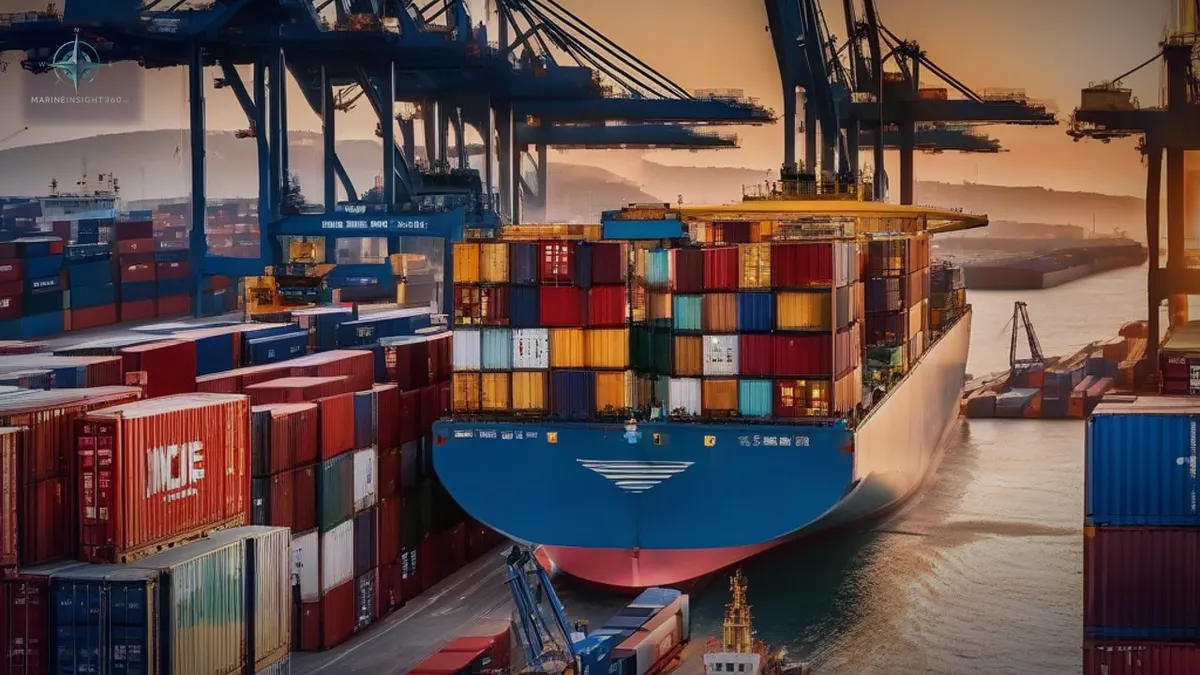
Red Sea Trade Disruption: Houthi Maritime Embargo Against Saudi Arabia
Yemen's Houthi rebels have imposed a maritime embargo on Saudi Arabia, threatening global energy supply. This move escalates the conflict in the region.
What happened
The Current Picture Yemen's Houthi rebels have announced a maritime embargo against Saudi Arabia in response to a recent attack on Sanaa Airport (Hellenic Shipping News). Yahya Saree, a military spokesperson for the Houthis, stated that the maritime ban against Saudi Arabia will be effective immediately. This move is a response to the attack on Sanaa Airport, which the Houthis claim was carried out by Saudi Arabia. The embargo threatens to disrupt global energy supply and trade beyond the Gulf.
Houthi Naval Blockade The Houthi rebels have also threatened Saudi shipping with a new naval blockade (gCaptain). This move is expected to escalate the conflict in the region and disrupt global energy supply and trade. The naval blockade will prevent Saudi ships from navigating through the Red Sea, which is a critical shipping route for oil and other commodities. The blockade will also affect other countries that rely on the Red Sea for trade.
Saudi Arabia's Maritime Investments Despite the maritime embargo, Saudi Arabia is continuing to invest in its maritime sector (Hellenic Shipping News). Red Sea Gateway Terminal International (RSGTI) has marked the grand inauguration of RSGT Bangladesh in Chittagong, Bangladesh. This landmark achievement showcases Saudi Arabia's growing footprint in the infrastructure sector and the operation of ports. The investment is valued at USD 170 million and is expected to increase RSGT's global maritime reach.
Impact on Global Trade The maritime embargo and naval blockade imposed by the Houthi rebels will have a significant impact on global trade (gCaptain). The Red Sea is a critical shipping route for oil and other commodities, and any disruption to this route will have far-reaching consequences. The blockade will affect not only Saudi Arabia but also other countries that rely on the Red Sea for trade. This includes countries in Europe, Asia, and Africa that import oil and other commodities from the Middle East.
What This Means for Operators The maritime embargo and naval blockade will require shipping operators to take alternative routes to avoid the Red Sea (Hellenic Shipping News). This will increase costs and transit times for operators, which will have a knock-on effect on the global economy. Operators will need to factor in the increased costs and transit times when planning their routes and scheduling their shipments. This will require careful planning and coordination to minimize the impact of the embargo and blockade.
What to Watch The situation in the Red Sea is fluid and dynamic, and operators will need to monitor developments closely (gCaptain). The Houthi rebels have threatened to escalate the conflict, which could lead to further disruptions to global trade. Operators will need to stay informed about any changes to the maritime embargo and naval blockade, as well as any other developments that could affect their operations. This includes monitoring news reports, official statements, and other sources of information to stay ahead of the curve.
Regional Implications The maritime embargo and naval blockade will have significant implications for the region (Hellenic Shipping News). The conflict between the Houthi rebels and Saudi Arabia will continue to escalate, which could lead to further instability in the region. This could have far-reaching consequences for global trade and the economy, as well as for regional security. The international community will need to monitor the situation closely and take steps to mitigate the impact of the conflict.
Conclusion and Next Steps The maritime embargo and naval blockade imposed by the Houthi rebels will have significant implications for global trade and the economy. Operators will need to take alternative routes to avoid the Red Sea, which will increase costs and transit times. To stay informed about the latest developments, operators can visit the Marine Insight 360 Knowledge Base for updates on the situation in the Red Sea.
What readers should watch
Security and route-risk stories can influence voyage planning, war-risk clauses, crew briefings and insurer expectations. Readers should watch for official follow-up, company confirmation and any change in operational guidance before treating early details as final.
Why this story matters
Red Sea Trade Disruption: Houthi Maritime Embargo Against Saudi Arabia matters because shipping news rarely stays inside one lane. A single development can affect vessel operators, charterers, insurers, port teams, seafarers, equipment suppliers and regulators at the same time.
For readers in the United States, United Kingdom, Europe, Canada, Australia and Singapore, the value is in the practical signal behind the headline: what the development changes, what still needs confirmation and how it may affect decisions across safety, compliance, trade or fleet planning.