Red Sea Trade Disrupted
Houthi threats disrupt Saudi crude exports
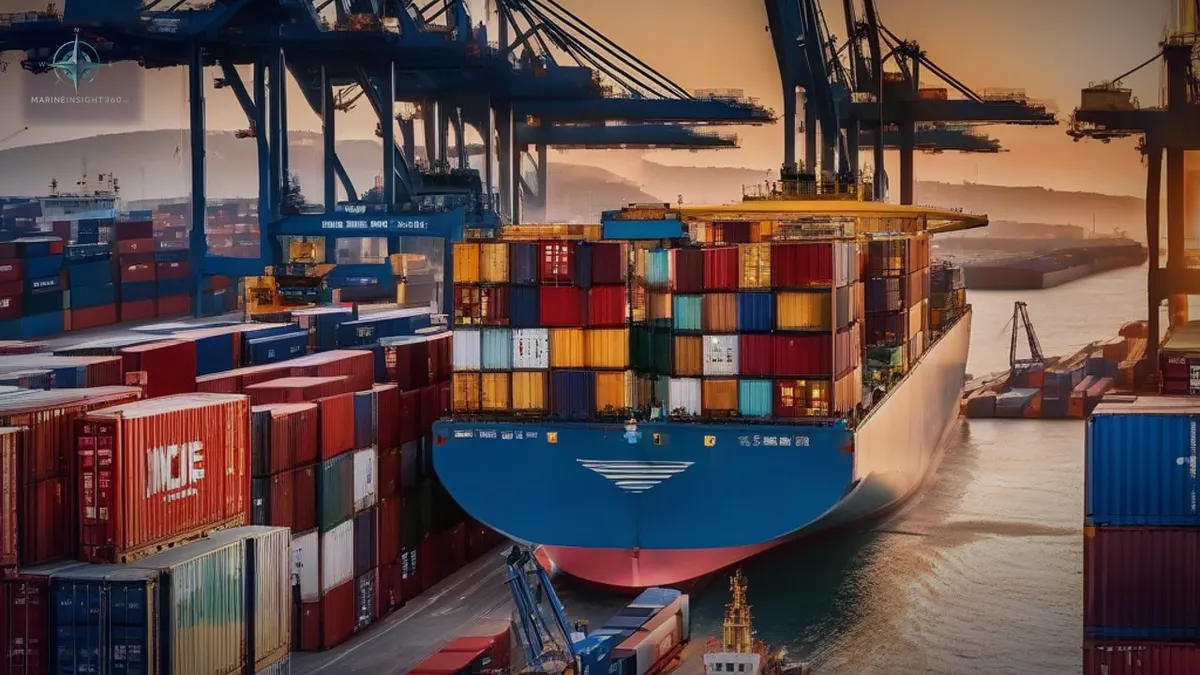
Red Sea trade is being disrupted by Houthi threats against ships calling at Saudi ports, with the tankers Xin Long Yang and Rodos reversing course after loading Saudi crude and heading for the Suez Canal.
Heightened Risks in the Red Sea
The Red Sea has become a flashpoint for maritime trade, with Houthi rebels issuing threats against ships calling at Saudi Arabian ports.
Two tankers, the COSCO Shipping-managed VLCC Xin Long Yang and the Dynacom-managed aframax Rodos, have reversed course after loading Saudi crude, opting to head towards the Suez Canal instead of braving the Yemeni coast.
Houthi Naval Blockade Declaration
The Houthi movement has declared a naval blockade on Saudi Arabia, threatening to widen a conflict that has been ongoing for nearly 1,000 days.
This declaration has significant implications for shipping routes and trade in the region, as it may lead to increased costs and transit times for vessels.
War Risk Insurance Under Pressure
The escalation of geopolitical tensions in the Middle East has placed marine war insurance under sustained strain.
Insurers must now reassess their coverage and pricing in response to the changing landscape, which may result in higher premiums for shipowners and operators.
Implications for Operators
Shipowners and operators are facing heightened risks and uncertainty in the Red Sea, with the Houthi threat prompting some to reroute their vessels.
Operators must now carefully consider their routes and insurance coverage, weighing the risks and potential costs of navigating the Red Sea.
Why this story matters
Red Sea Trade Disrupted matters because shipping news rarely stays inside one lane. A single development can affect vessel operators, charterers, insurers, port teams, seafarers, equipment suppliers and regulators at the same time.
For readers in the United States, United Kingdom, Europe, Canada, Australia and Singapore, the value is in the practical signal behind the headline: what the development changes, what still needs confirmation and how it may affect decisions across safety, compliance, trade or fleet planning.
Operational context
Security and route-risk stories can influence voyage planning, war-risk clauses, crew briefings and insurer expectations. The operational question is not only what happened, but which teams need to respond. Ship managers may need to review risk assessments, commercial teams may revisit costs or schedules, and crews may need clearer instructions before the next voyage or port call.
This is also why source attribution matters. When a story involves prices, incidents, regulations, vessel orders, security risk or public policy, readers should compare the report with official notices, company updates and port or flag-state guidance before acting.
What to watch next
- Whether official agencies, port authorities, companies or class societies publish follow-up guidance.
- Whether the issue changes vessel schedules, insurance terms, chartering decisions, recruitment demand or compliance checks.
- Whether the story remains local, or becomes relevant to wider routes, fleets and maritime markets.
- Whether new evidence confirms the early reporting or narrows the practical impact for readers.
Reader takeaway
The useful way to read this safety update is to separate confirmed facts from operational implications. The headline gives the event; the follow-up work is deciding who needs to know, which record should be checked and whether the development affects safety, cost, schedule, compliance or career planning.
Marine Insight 360 will continue to treat stories like this as part of the wider maritime picture, where readers need clear context rather than isolated headlines.
Regional reader context
Readers in mature maritime markets often need a sharper reading of a shipping update than a basic summary provides. In the United States, United Kingdom, Europe, Canada, Australia and Singapore, the same development can affect procurement checks, insurer questions, port-state expectations, customer due diligence, crew briefings or public-sector policy. That regional lens helps readers decide whether the story is background noise or a signal that should be tracked.
Source and verification notes
For any fast-moving maritime report, the first version should be treated as a verified starting point rather than the final operational file. Readers should check whether the named company, authority, port, class society, insurer or government agency has issued a direct update. That matters because later notices may clarify figures, timing, scope, cause, vessel status or the actions expected from crews and shore teams.