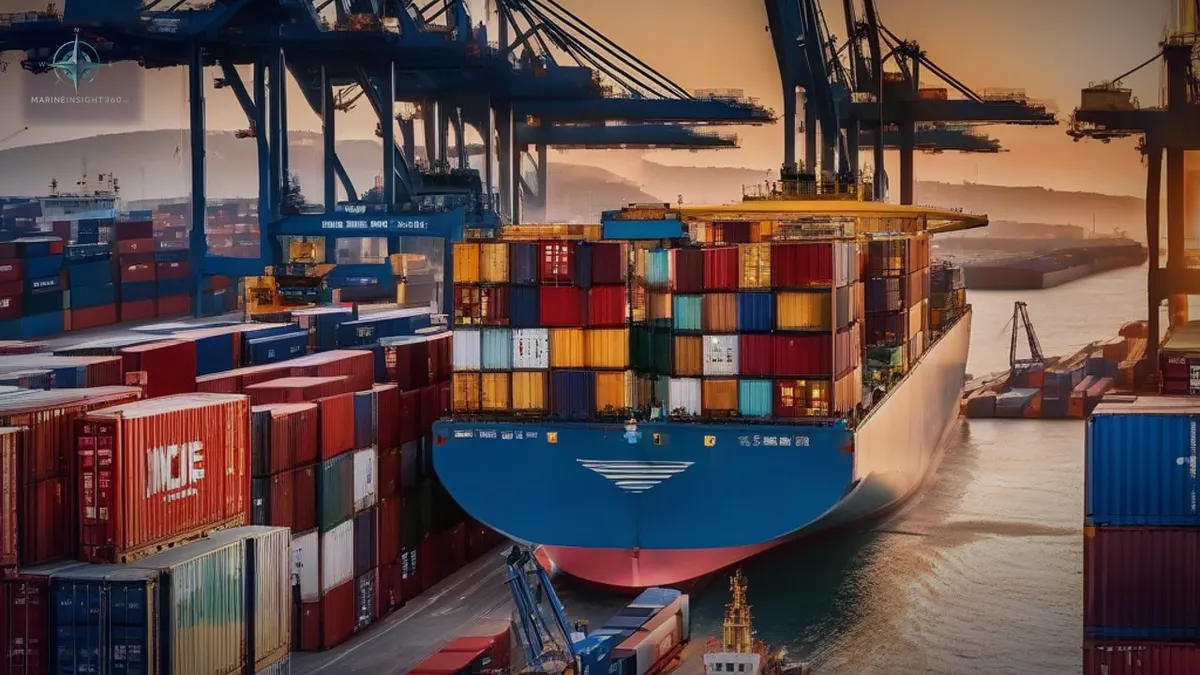
Red Sea Trade Disruption: Regional Conflicts and Shipping Implications
Regional conflicts disrupt Red Sea trade, affecting global crude supplies. US forces disable a boxship in the Gulf of Oman.
What happened
The Current Picture
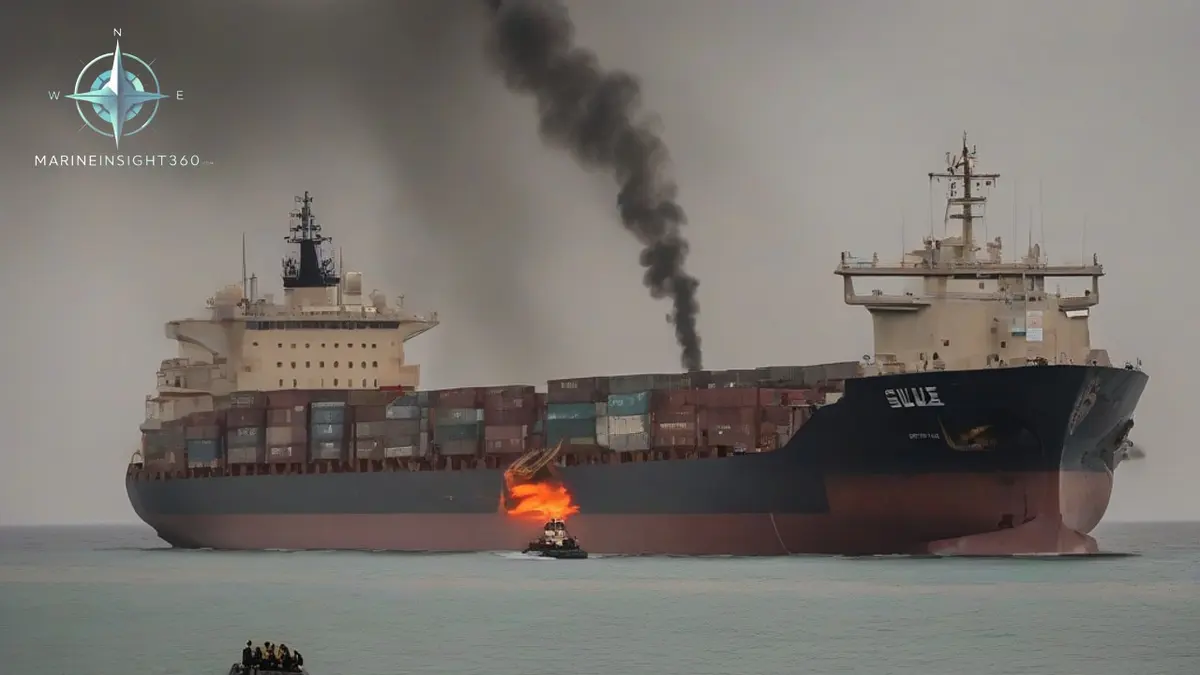
The Red Sea has become a hotspot for maritime disruptions due to regional conflicts. A recent attack in the Bab el-Mandeb left six people dead, while US forces disabled a containership in the Gulf of Oman (Splash247). This escalation of violence threatens global trade, particularly crude supplies. Yemen's Iran-aligned Houthi militants have struck Saudi Arabian troops, using ballistic missiles and drones (Hellenic Shipping News).
Regional Conflicts and Shipping
International shipping is facing a new era of sustained geopolitical disruption. Regional conflicts affecting key maritime chokepoints, including the Arabian Sea and Strait of Hormuz, the Red Sea, and the Black Sea, have altered the risk landscape for shipowners and charterers (Hellenic Shipping News). The Red Sea, in particular, is a critical trade route, with many ships passing through the Bab el-Mandeb strait. Any disruption to this route can have significant implications for global trade.
The Impact on Charterparties
The increased risk of attacks and disruptions in the Red Sea has significant implications for charterparties. Shipowners and charterers must consider the potential risks and liabilities associated with navigating this region. The use of Hellfire missiles by US forces to disable a containership in the Gulf of Oman highlights the potential for military intervention in the region (Splash247). This can lead to increased costs and liabilities for shipowners and charterers.
What the Data Shows
While the sources do not provide specific data on the impact of Red Sea trade disruption, it is clear that the region is critical to global trade. The Bab el-Mandeb strait is a key chokepoint, with many ships passing through it every day. Any disruption to this route can have significant implications for global trade, particularly for crude supplies. The Houthi militants' attacks on Saudi Arabian troops and energy infrastructure have continued to threaten global crude supplies (Hellenic Shipping News).
What This Means for Operators
For shipping operators, the Red Sea trade disruption presents significant challenges. They must consider the potential risks and liabilities associated with navigating this region. This includes the risk of attacks, military intervention, and disruptions to trade routes. Operators must also ensure that they have the necessary insurance coverage and risk management strategies in place to mitigate these risks. The use of charterparties can help to allocate risk between shipowners and charterers, but it is essential to carefully consider the terms and conditions of these agreements.
What to Watch
The situation in the Red Sea is complex and dynamic, with many different factors at play. Shipping operators and charterers must closely monitor developments in the region, including any changes to the conflict between Yemen's Houthi militants and Saudi Arabia. They must also be aware of any military intervention in the region, such as the use of Hellfire missiles by US forces (Splash247). The impact of these developments on global trade, particularly crude supplies, will be critical to watch. Any disruption to the Bab el-Mandeb strait or other key trade routes can have significant implications for the global economy.
Conclusion and Next Steps
The Red Sea trade disruption presents significant challenges for shipping operators and charterers. It is essential to closely monitor developments in the region and to have the necessary risk management strategies in place to mitigate these risks. Shipping operators and charterers can find more information on charterparties and risk management strategies in the Marine Insight 360 Knowledge Base. They can also stay up-to-date with the latest developments in the region by following reputable maritime industry publications, such as Splash247 and Hellenic Shipping News.