Renminbi Payments, Freight Index Rally and Canal Limits Redefine 2026 Container Market
Seaspan’s RMB P&I payments, a seven‑day Baltic Dry Index rally and tighter Panama Canal drafts are reshaping container earnings, charter rates and capacity planning for
What happened
The Current Picture The container market is being pulled in three directions: new financing practices, strong freight price momentum and physical capacity constraints. Seaspan has become the first overseas shipowner to settle Protection & Indemnity (P&I) calls with the China P&I Club in renminbi (RMB), signalling a shift toward Chinese currency use in maritime insurance (Splash247). At the same time, the New ConTex Container Ship Time Charter Assessment Index climbed to 1,629 points, reflecting higher charter rates for containerships (Hellenic Shipping News). Parallel to these developments, the Baltic Dry Index (BDI) extended its rally to a seventh session, reaching 3,186 and marking the highest level since early June, driven largely by gains in the larger Capesize segment (Hellenic Shipping News). Finally, Panama Canal draft restrictions are tightening, prompting CMA CGM to postpone a US$150 per TEU Low Water Surcharge for South American west‑coast cargoes (gCaptain).
In 40‑60 words: Seaspan’s RMB P&I payment, a seven‑day BDI rally to 3,186, a New ConTex charter index rise to 1,629, and tighter Panama Canal drafts together raise container freight earnings, increase charter rates and force operators to re‑evaluate capacity deployment and cost structures for 2026 (Splash247; Hellenic Shipping News; gCaptain).
What the Data Shows
Renminbi Internationalisation in Marine Insurance Seaspan, led by Bing Chen, signed an agreement with China Shipowners Mutual Assurance Association covering two 14,000‑TEU newbuildings. The deal makes Seaspan the first non‑Chinese shipowner to pay P&I calls in RMB, a move that could lower foreign‑exchange risk for Chinese‑linked insurers and encourage other owners to follow (Splash247).
Freight Rate Momentum Across Sectors The BDI’s 2.5 % rise to 3,186 reflects broad‑based strength, with Capesize vessels posting the largest gains. This surge suggests that dry‑bulk demand, especially for iron ore and coal, remains robust despite global economic headwinds. In the container segment, the New ConTex index added seven points to reach 1,629, indicating that time charter rates for containerships are also on an upward trajectory (Hellenic Shipping News).
Port Throughput Growth Amid Slower Growth at Piraeus COSCO SHIPPING Ports reported a 7.9 % year‑on‑year increase in total container throughput to 80,157,047 TEU for the first half of 2026, with equity throughput up 7.0 % to 24,492,008 TEU. While the group’s overall performance is strong, the Piraeus terminal showed slower growth, hinting at regional imbalances that could affect trade lanes in the Mediterranean (Hellenic Shipping News).
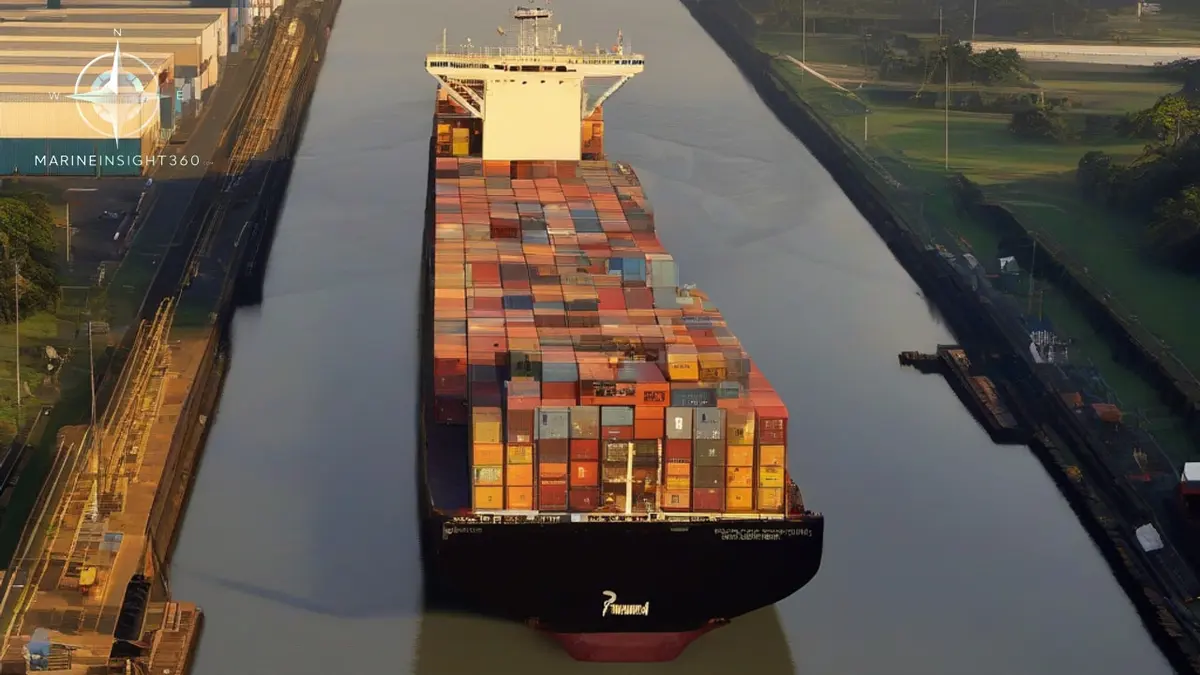
Canal Capacity Constraints The Panama Canal Authority is tightening draught limits, reducing the maximum permissible draft for transits. CMA CGM’s decision to postpone its US$150 per TEU Low Water Surcharge, originally intended for cargo moving from South America’s west coast, signals that carriers are still gauging the financial impact of the new restrictions (gCaptain).
What This Means for Operators
Financial Planning and Currency Exposure Seaspan’s RMB payment model reduces exposure to USD‑RMB volatility for both the shipowner and the Chinese insurer. Operators with significant China‑related exposure should assess the feasibility of RMB settlements for bunker, insurance and port fees. Early adopters may negotiate more favorable terms, while late adopters could face higher conversion costs.
Charter Rate Forecasts and Fleet Deployment The rise in the New ConTex index suggests that charter premiums for containerships are likely to stay elevated through the remainder of 2026. Shipowners with flexible fleets can capture higher earnings by allocating newer, larger vessels to high‑yield routes. Conversely, operators with older, less efficient tonnage may see a widening gap in earnings versus newer assets.
Capacity Management at Constrained Chokepoints Tighter Panama Canal drafts limit the size of vessels that can transit, effectively reducing the available slot pool for ultra‑large containerships (ULCs). Shippers should consider alternative routes, such as the Suez Canal or trans‑Atlantic loops, especially for South American west‑coast exports. Carriers may need to rebalance loads, using feeder vessels to bridge the gap between larger ships and ports unable to receive ULCs due to draft limits.
Port Strategy and Regional Allocation The strong overall throughput reported by COSCO SHIPPING Ports underscores the continued growth of Asian gateway ports. However, slower growth at Piraeus suggests that Mediterranean hubs may face capacity or demand constraints. Operators should monitor cargo mix shifts and consider diversifying calls to secondary Mediterranean terminals to avoid congestion and maintain schedule reliability.
Cost Implications of Surcharges CMA CGM’s postponement of the Low Water Surcharge indicates uncertainty about the cost pass‑through to shippers. If the Panama Canal enforces stricter drafts, carriers may eventually reinstate or increase surcharges, affecting freight cost structures for South American exporters. Forward‑looking logistics planners should incorporate a contingency buffer of at least US$150 per TEU for routes that rely on the canal.
What to Watch
| Indicator | Current Level | Expected Trend | Operational Impact | |-----------|---------------|----------------|--------------------| | New ConTex Index | 1,629 points | Gradual rise if global trade stays strong | Higher charter rates; incentive to deploy newer vessels | | Baltic Dry Index | 3,186 | May stabilize after seven‑day rally | Strong bulk rates support container demand for raw material imports | | Panama Canal draft limit | Reduced by 0.5 m (≈1.6 ft) for transits | Further tightening possible | Need for feeder strategies; potential surcharge reinstatement | | COSCO Ports total throughput | 80.2 million TEU (YoY +7.9 %) | Continued growth in Asia, slower in Mediterranean | Shift of cargo volumes to faster‑growing Asian hubs | | RMB P&I adoption | 2 new 14,000‑TEU vessels under agreement | Possible expansion to other owners | Reduced FX risk; potential pricing advantages for insurers |
Operators should track the following developments closely:
- Regulatory guidance on RMB settlements to any formal recognition by the International Group of P&I Clubs could accelerate currency diversification. 2. Panama Canal Authority announcements to further draft reductions or fee adjustments will directly affect transit economics. 3. Charter market sentiment to weekly updates from the New ConTex index will signal when the upward momentum is losing steam. 4. Port performance reports to quarterly throughput data from major terminals, especially in the Mediterranean, will reveal whether slower growth persists.
Strategic Recommendations
- Integrate Currency Hedging to Shipowners should embed RMB hedging tools into treasury operations to lock in rates for future P&I and bunker payments. * Prioritise Fleet Modernisation to Investing in vessels that meet the new Panama Canal draft limits (e.g., 13 m draft) will preserve route flexibility and avoid costly trans‑shipment. * Diversify Port Calls to Adding secondary Mediterranean ports such as Valencia or Algeciras can mitigate the risk of congestion at Piraeus while maintaining market coverage. * Build Surcharge Buffers to Logistics contracts for South American west‑coast cargoes should include clauses for potential low‑water surcharges, protecting profit margins against sudden cost spikes. * Monitor Charter Indexes Weekly to Using the New ConTex and BDI as leading indicators will help operators time vessel deployments to capture peak rates.
The convergence of currency innovation, freight price strength and physical capacity limits creates both opportunities and challenges for the 2026 container market. Operators that align financing, fleet strategy and route planning with these emerging signals will be best positioned to sustain profitability and service reliability.
Why it matters: The combined effect of RMB P&I payments, a sustained freight index rally and tighter canal drafts reshapes cost structures, capacity allocation and revenue potential for global container operators, demanding proactive adjustments now.
For deeper analysis on charter trends, see the Marine Insight 360 Shipboard Operations guide; for currency considerations, consult the Knowledge Base article on maritime finance.