VLCCs, VLGCs and Shifting Ton‑Miles: How the Tanker Market Is Rebalancing in 2026
VLCC ton‑mile volumes are slipping while mid‑size crude tankers gain share, yet VLCC freight indices are firming and gas‑carrier demand is spurring new VLGC purchases. O
What happened
The Bottom Line for 2026 VLCC crude‑ton‑mile demand is declining, but freight rates for large crude carriers are rising as market sentiment improves in key regions. At the same time, smaller crude classes are capturing a larger share of total ton‑miles, and gas‑shipping firms are expanding fleets with VLGC acquisitions such as SPM Shipping’s $91 million purchase of the 84,000 m³ Clermont. Operators who can pivot between these opposing currents will protect earnings and position for the next cycle.
The Current Picture of Crude Tanker Demand Shipbroker Gibson highlighted that “the crude vessel segments have crossed wakes this year to moving in different directions even as they share the same waters” (Hellenic Shipping News). The weekly report shows overall crude ton‑mile demand softened in 2026, with VLCCs experiencing the steepest drop. Smaller classes to typically Suezmax and Aframax to are gaining relative market share as shippers favour vessels that can access tighter ports and offer more flexible routing. The shift reflects a broader industry response to uneven regional demand and tighter refinery turn‑around times.
What the Data Shows: VLCC Ton‑Miles vs. Smaller Classes - VLCC ton‑miles: Downward trend in 2026, indicating fewer voyages or lower cargo volumes per VLCC. - Mid‑size crude tankers: Gaining market share as ton‑mile growth outpaces VLCCs. - Freight indices: Despite the ton‑mile dip, the TC1 75 kt MEG/Japan index climbed 24.45 points to WS 536.67, and the TC20 90 kt MEG/UK‑Continent index rose $462,500 to $9.43 million (Hellenic Shipping News). These moves suggest that charter rates for large carriers are firming even as utilisation slips.
The divergence between utilisation (ton‑miles) and earnings (freight indices) creates a paradox for VLCC owners: fewer voyages but higher per‑voyage revenue.
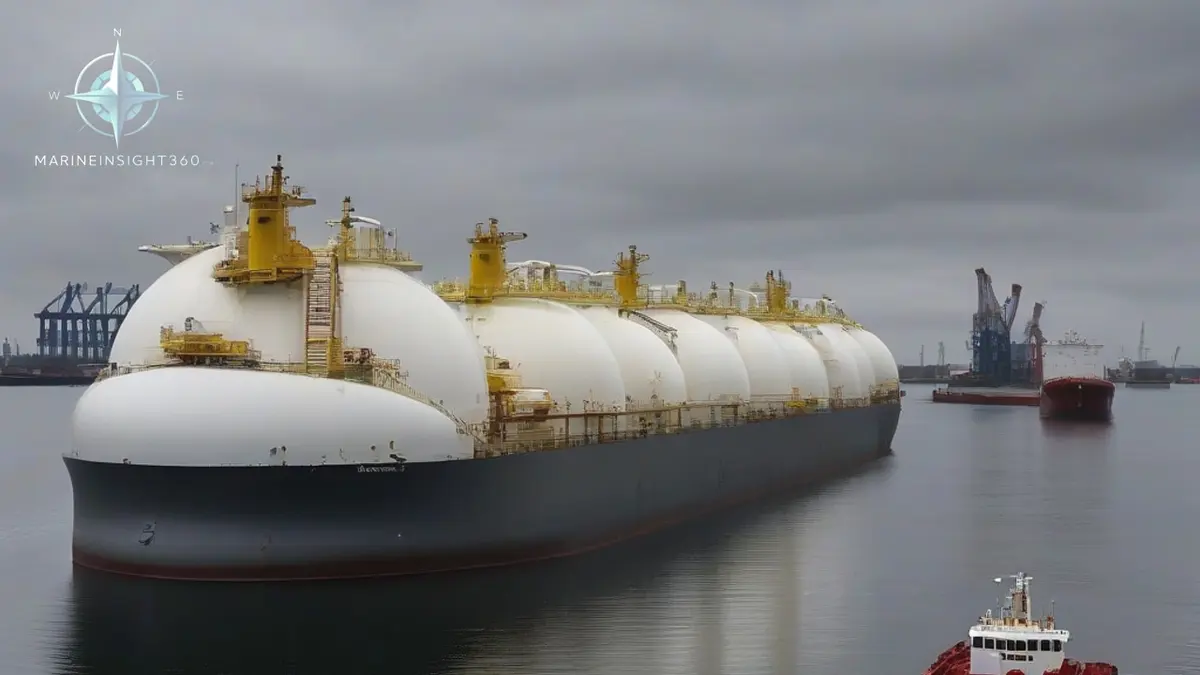
Gas Shipping Moves: SPM Shipping’s VLGC Entry Dubai‑based SPM Shipping, a relatively new shipowner, has entered the gas market by buying the 2015‑built VLGC Clermont for $91 million (Splash247). The vessel, built by Hyundai Samho, offers 84,000 m³ of cargo capacity, placing it among the largest liquefied petroleum gas carriers. This purchase marks SPM’s first foray into gas shipping after earlier expansion into capesize and VLCC segments.
The acquisition signals confidence in the LPG market, which has been buoyed by tighter global emissions regulations and growing demand for cleaner fuels in Asia and Europe. For operators, the move underscores the attractiveness of product tankers that can command premium freight in a market where crude volumes are softening.
VLCC Market Dynamics: Rising Rates Amid Falling Utilisation The Hellenic Shipping News “Tankers: VLCCs on the Rise” piece reports that VLCC freight indices are strengthening across multiple routes. The TC15 80 kt Mediterranean/East index gained $250,000 to $5.59 million, while Baltic round‑trip values also improved. These gains are driven by:
- Improved sentiment in the East: Asian refiners are rebuilding inventories after a period of low demand, pushing up spot rates for VLCCs heading to Japan and Korea. 2. Supply constraints: Delays in new‑build deliveries and limited scrap capacity have reduced the available VLCC fleet, tightening the market. 3. Regulatory pressure: The 2020 global sulphur cap and upcoming Energy Efficiency Existing Ship Index (EEXI) compliance costs are prompting charterers to favour newer, more efficient VLCCs, supporting higher rates for vessels that meet the standards.
Thus, while total ton‑miles decline, the revenue per VLCC voyage is rising, offering a potential upside for owners with well‑maintained, compliant ships.
Operational Implications for Owners and Operators ### Fleet Composition Decisions - Retain or divest older VLCCs? Vessels built before 2010 may struggle to meet EEXI and Carbon Intensity Indicator (CII) thresholds without costly retrofits. Owners should evaluate the cost‑benefit of upgrading versus selling into a market where demand is shifting to mid‑size crude carriers. - Invest in mid‑size crude tankers: Aframax and Suezmax vessels are gaining ton‑mile share and can access a broader range of ports, making them attractive for short‑haul contracts and spot charters. - Consider product tanker expansion: The SPM Shipping VLGC purchase illustrates that LPG carriers can capture premium freight, especially where regional emission rules favour low‑sulphur cargoes.
Charter Strategy Adjustments - Target high‑rate routes: VLCC owners should focus on East‑Asia destinations where indices are strongest, rather than traditional trans‑Atlantic lanes that show weaker demand. - Leverage spot market volatility: With ton‑mile demand fluctuating, flexible charter terms allow operators to switch between long‑term contracts and spot opportunities, maximising earnings during rate spikes.
Maintenance and Compliance Priorities - EEXI compliance: Conduct a fleet‑wide audit to identify vessels that already meet the 2023 EEXI baseline. For those that do not, assess hull‑modification or engine‑upgrade costs against projected rate gains. - CII rating management: Track annual CII scores and implement fuel‑efficiency measures, such as slow steaming, hull cleaning, and optimized trim, to avoid penalties under the IMO carbon intensity regime.
Risks and What to Watch - Regulatory shifts: Upcoming IMO amendments to the carbon intensity framework could tighten the CII calculation, affecting profitability for high‑emission VLCCs. - Supply‑side disruptions: Shipyard backlogs in China and South Korea may delay new‑build deliveries, sustaining a tight VLCC supply and keeping freight rates elevated. - Geopolitical volatility: Trade tensions in the Middle East or sanctions on key oil exporters could abruptly alter crude flow patterns, impacting ton‑mile distribution across tanker classes. - LPG market saturation: While current sentiment favours LPG, a sudden oversupply of VLGCs could compress freight rates. Operators should monitor new‑build orders and scrapping trends in the product tanker segment.
Strategic Recommendations for Stakeholders 1. Conduct a portfolio stress test: Model earnings under scenarios of continued VLCC ton‑mile decline versus a rebound in mid‑size crude demand. 2. Prioritise fuel‑efficiency upgrades: Early investment in hull optimisation and low‑sulphur fuel systems can improve CII scores and preserve charterability. 3. Explore hybrid charter contracts: Combine time‑charter stability with spot‑charter upside to capture rate spikes on high‑demand routes. 4. Monitor LPG market fundamentals: Track Asian refinery utilisation and European emissions mandates to gauge future VLGC freight trends.
Conclusion: Why This Matters Now The tanker market in 2026 is characterised by a paradox: VLCC utilisation is falling, yet freight rates are climbing, while mid‑size crude carriers and product tankers are gaining relevance. Operators who align fleet composition, compliance strategy, and chartering tactics with these divergent trends will safeguard earnings and stay competitive in a rapidly rebalancing market.
--- For deeper guidance on fleet optimisation under the new IMO carbon regime, visit the Marine Insight 360 Knowledge Base under “Regulatory Compliance”.