
What Is the Maritime Security Code and the ISPS Code?
ISPS refers to the International Ship and Port Facility Security Code, a maritime regulation for the safety and security of ships, ports, cargo and crew.
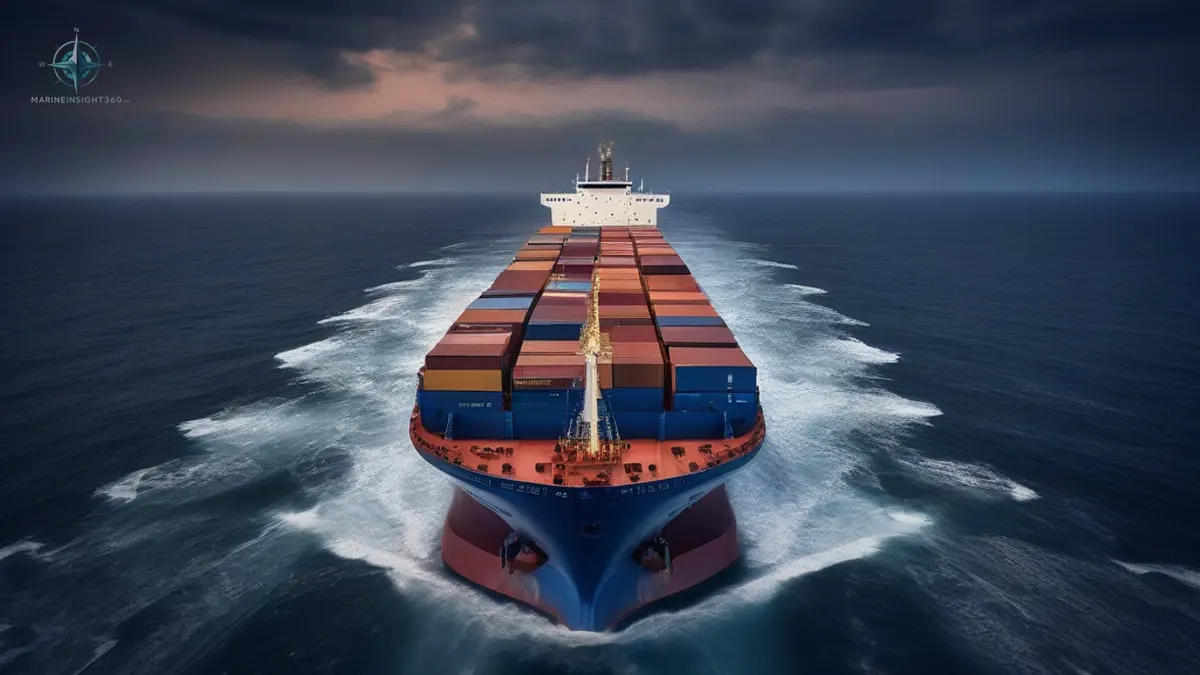
This guide explains maritime security in practical maritime terms. The main points, risks and related guidance are placed up front. ISPS meaning maritime refers to the International Ship and Port Facility Security Code. It is a fundamental maritime regulation for the safety and security of ships, ports, cargo and crew. The greatest challenge the world is confronting nowadays is battling terrorism. There have been numerous instances in history of late. They include terrorist attacks in several parts of the world in different forms.
But the most horrifying of all was the September 11 terrorist attack on the Twin Towers (World Trade Center). That attack demonstrated that national and worldwide security was at stake. Maritime security is a prevailing issue. A few incidents have taken place even before the 9/11 attack. On February 25, 2000, for example, bombs were hidden inside crowded buses on a Philippine ship.
Before the ISPS code, the SOLAS main focus was the safety of the ship at sea. Safety and security are completely different subjects, so new revisions were therefore made in SOLAS. Chapter XI, which contains measures to enhance maritime safety, was renamed Chapter XI-1. A new Chapter XI-2 was included as well, with an extra focus on maritime security.
Fundamental Aim of ISPS Code in Shipping
The ISPS code primarily looks after the security aspects of the ship. It also looks after seafarers, ports and Port workers. The aim is to ensure that preventive measures can be taken in case a security threat is determined. The most important points of the code are set out below. Its full name is the International Code for the Security of Ships and of Port Facilities (ISPS).
- To monitor the activities of individuals and cargo operation.
- To identify the different security threats onboard vessel and in Port. And also to implement the measures as per the situation.
- To give a security level to the ship. It also determines different obligations and also functions at the different security levels.
- To set up the particular roles and duties of the contracting governments and organizations. That also covers local organizations, and shipping and Port industries.
- To develop and implement roles and duties for Port state officers. And also, onboard officers to handle maritime security threats at the international level.
- To gather information from all over the maritime industry concerning security threats. And also to implement ways to handle the same.
- To ensure the exchange of collected security-related data information around the world among Port and also ship owner organizations.
- To give a methodology for security assessments. That way there are plans and also methods to respond to changing security levels.
- To discover the inadequacies within the ship security and port security plan. And also the measures to improve them.
ISPS Code Requirements
The ISPS code includes different functional requirements. These exist so that it can achieve certain targets that ensure the security of ships and ports. A few of the critical requirements are set out below.
- To gather the security-related data from the contracting government agencies.
- To evaluate the data.
- To distribute the security-related data to appropriate contracting government organizations.
- Defining the proper communication protocols for ships and Port facilities for hassle-free data exchange.
- To prevent any unauthorized entry in Port facilities or on a ship. And also other related restricted areas, even if the unauthorized entry isn't a risk. Such entry is always considered as a potential risk.
- To prevent the entry of unauthorized weapons, incendiary devices, or explosives to ships and Port facilities.
- To supply different means for raising the alert in case any security occurrence is experienced. The same applies if a potential security risk is evaluated.
- To implement proper security plans on Port and ship based upon the security assessment and requirements.
To plan and implement training, drills, and also exercises for ship and Port teams. That way they are familiar with the security plans. There's no delay in executing the same in case of a genuine threat.
ISPS Meaning Maritime
The cargo ships are vulnerable to security threats. They barely carry any weapon of protection in case of a genuine attack. Robbery, terrorist attack, stowaways etc. are real-time threats haunting the ship and its crew. Improving ship security will be required. That is the way to recognize and take preventive measures against such security occurrences. The Administration is responsible for reviewing and approving a ship security plan for the ship. That plan can include any revisions of old plans, etc.
The company must train its officer for ship security officer certification. The evaluation of the ship security will be carried out onboard by these certified officers only. The timely evaluation of the ship security plan by a certified officer is fundamental. It is how inadequacies are found and the current SSP is improved.
The ship security assessment must be documented, reviewed, accepted, and retained by the company. Each ship must carry a ship security plan endorsed by the Administration.
ISPS Meaning Maritime Code for Vessels Includes
Company Security Officer (CSO)
The CSO is a company-designated individual. He or she is responsible for the ship security assessment and for the onboard survey. That survey confirms the development and implementation of the ship security plan as per ISPS code. In case any deficiency happens, the CSO is responsible for dealing with all the non-conformities. The CSO must also adjust SSP as per the deficiency.
Ship Security Officer (SSO)
SSO is in- charge of the security of the vessel onboard. SSO is also responsible for the whole crew carrying out obligations for ship security as per ISPS code. SSO is responsible for carrying out frequent drills for ISPS Code as per SSP.
Ship Security Plan (SSP)
It is a plan kept onboard the vessel. It specifies the obligation of crew members at different security levels. It also sets out the do's and don'ts at different types of security threats. SSO is responsible under CSO in executing ship security plans for onboard vessels.
Ship Security Alarm System
Different types of security equipment are kept onboard. That includes a metal detector to check the individual entering the vessel. Since July 2004, most of the ships have installed the Ship Security Alert System (SSAS) as per ISPS norms. These alarms don't sound on the ship, but instead alert the shore authority about the security threat.
Implementing ISPS Security Level
It's the duty of SSO to implement the security level onboard. That must comply with the security level set by the local government authorities. Moreover, a continuous response is to be made to Port state when the security level is "level 3".
ISPS Code for Port Facilities
Port facilities ought to make sure that all the facilities are secured. That covers any kind of threats that may emerge from both land and water. They also ought to monitor the ships which are coming to its shore from an international voyage. Any security hazard must be picked up.
It is the Contracting Government (the port state) which sets the security levels to be implemented by the Port facility and by the ships which are in its territorial waters. The Port managing company is responsible for planning the Port Facility Security Plan.
The Port facility security evaluation is also an essential and integral part of the process. That process covers developing and updating the Port facility security plan.
The evaluation is carried out by the Contracting Government (the port state) in whose territory the port facility is located, not by the flag state. The Contracting Government may authorize a recognized security organization to carry out the evaluation, but must then review and approve it.
ISPS Code for Port Facilities Includes:
Port Facility Security Officer (PFSO)
The PFSO is the person designated for each port facility as responsible for its security plan. The PFSO is responsible for implementing PFSP. He/She also implements the security level set by the Contracting Government for the Port and vessels berthing at their wharf. He/She is additionally responsible for conducting an initial comprehensive security survey of the Port facility, taking into account the Port facility security evaluation.
Port Facility Security Plan (PFSP)
It includes plans and actions to be taken at different security levels. It also sets out roles and obligations, and actions to be taken during any security breach.
Security Equipment
Security equipment prevents a breach of security in the harbor. The minimum security equipment must be available at all times at the Port facility. It includes scanners, metal detectors, etc.
Implementing Security Level
The port authority implements the security level set by the Contracting Government. The security level adopted by the port facility must be communicated to vessel management for suitable measures.
Challenges of ISPS code:
Each regulation comes with its challenges. The ISPS code is no different and also has the concerns set out below.
- Human rights are one of the greatest concerns with the ISPS code, because it directly affects the seafarers' well-being. Shore leave has always been considered a fundamental stress relief process for the ship's crew. Due to security threats, numerous nations are disallowing shore leave for seafarers.
- Another concern is the right implementation of the ISPS code. Not all the teams are trained at the shore for ship security.
- It also impacts the crew's day-to-day activity, including extra obligations such as security watch, etc.
- Implementing the security level of the ship is also time-consuming.
- Port activities are also affected when the security level rises, leading to a lull in cargo operations.
Disadvantages of ISPS
- Extra work for seafarers as more security-related tasks are included in the work schedule.
- Slow work progress when the security level rises.
- Extra paperwork and certification requirements.
- Increase in operating cost on the ship for ISPS implementation. And also increase in Port costs (more Port stay) in case the security level is higher. More administration work is needed as well.
Recommended Reading

ISPS Code: Responsibilities And Security Levels
The security levels under the ISPS code clearly explain the current scenario related to the term security level. This refers to the hazard to the country and its coastal region.
Marine Fire Safety: What the FSS Code Requires on Every Ship
How marine fire safety works under the FSS Code: fire mains and pumps, fixed gas and sprinkler systems, detection, escape gear and the drills that bind it all.
Saudi Arabia Launches Maritime Coalition to Strengthen Security in the Red Sea
Saudi Arabia has formed a 14-nation Red Sea maritime coalition, built on Combined Task Force 153, that will tighten monitoring and defence of the Red Sea…