CENTCOM rejects Iranian claims of carrier strike and Hormuz transit tolls
CENTCOM on 28 November denied Iranian claims that USS Abraham Lincoln was struck and that the US charges ships to transit Hormuz, as Tehran vowed to break the blockade.
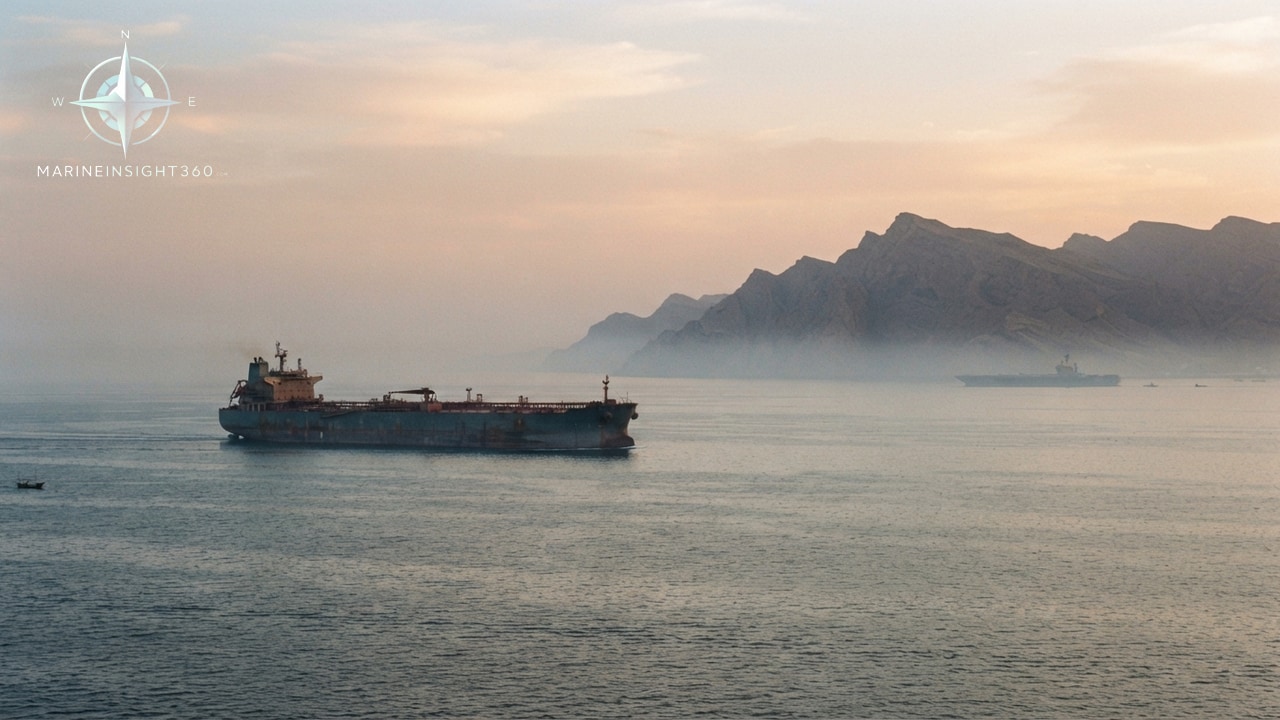
US Central Command on 28 November rejected claims by Iran's navy commander that Iranian forces had struck the aircraft carrier USS Abraham Lincoln and that the United States charges ships to pass through the Strait of Hormuz. In a post on X, CENTCOM called the account given by Shahram Irani "another fabricated lie", CNBC reported.
Irani, quoted by Tasnim News, said Iranian forces hit the carrier on 28 February, the first day of the war, when the US and Israel launched strikes on Iranian targets. He also said the US charges "millions of dollars" for vessels to transit the strait, and that Iranian navy commandos had taken back two Iranian tankers that had been seized. "When our forces entered the ship, the team assigned to protect it was asleep," he said.
CENTCOM response and the blockade
CENTCOM said the Abraham Lincoln strike group "was well defended and never struck by Iran" and had returned to the US last month after completing its Middle East deployment. On the toll claim it said "there is no toll for passing ships" and that its operations "have restored freedom of navigation through the international waterway." It added: "Iran no longer has a navy."
The US has enforced a naval blockade of Iranian ports since reimposing it in July, according to Reuters, via gCaptain, and last week sent a third carrier, USS Theodore Roosevelt, to the region. The same day as the denial, CENTCOM said US aircraft had disabled the Palau-flagged Pacific Archer in the Gulf of Oman on 26 November after it left Bandar Abbas.
Tehran says it will keep challenging the blockade. Mohammad Mokhber, an adviser to Supreme Leader Ayatollah Mojtaba Khamenei, said: "Neither will the Strait of Hormuz be reopened, nor will we allow the blockade to remain in place." Irani said "breaking through the enemy blockade is underway and our ports are active today" and claimed Iran was providing maritime escorts. Neither said how.
Recent incidents at sea
The UK Maritime Trade Operations centre (UKMTO) said an unidentified projectile struck a tanker on 25 November about 18 nautical miles east of Khasab, Oman, and that all crew were accounted for, Reuters reported. Four days earlier an outbound tanker was hit on the stern about 11 nautical miles north of Khasab. Iran's Revolutionary Guards have blamed several recent tanker fires in the strait on mines, but UKMTO logged the recent incidents as projectile strikes, and none of the Guards' mine reports has been independently confirmed, Latin Times reported.
Off Yemen, armed men boarded the UAE-owned cargo ship Marsa Virgo southwest of Balhaf on 28 November and left later that day; UKMTO said the crew was safe.
Oil prices and transit risk
Energy flows through Hormuz fell sharply after the war began. Brent crude rose about 3% in the week to 27 November, its first weekly gain of the month after three weeks of losses, on concern over tanker attacks in the strait and attacks on Saudi energy infrastructure, according to CNBC. WTI fell 0.9%.
Sources: CNBC, gCaptain/Reuters, BOE Report/Reuters, Latin Times.