
Top 20 Types of Boats - Explained
As we all know, different types of boats are designed to sail near the coast or inland waterways such as rivers and lakes.
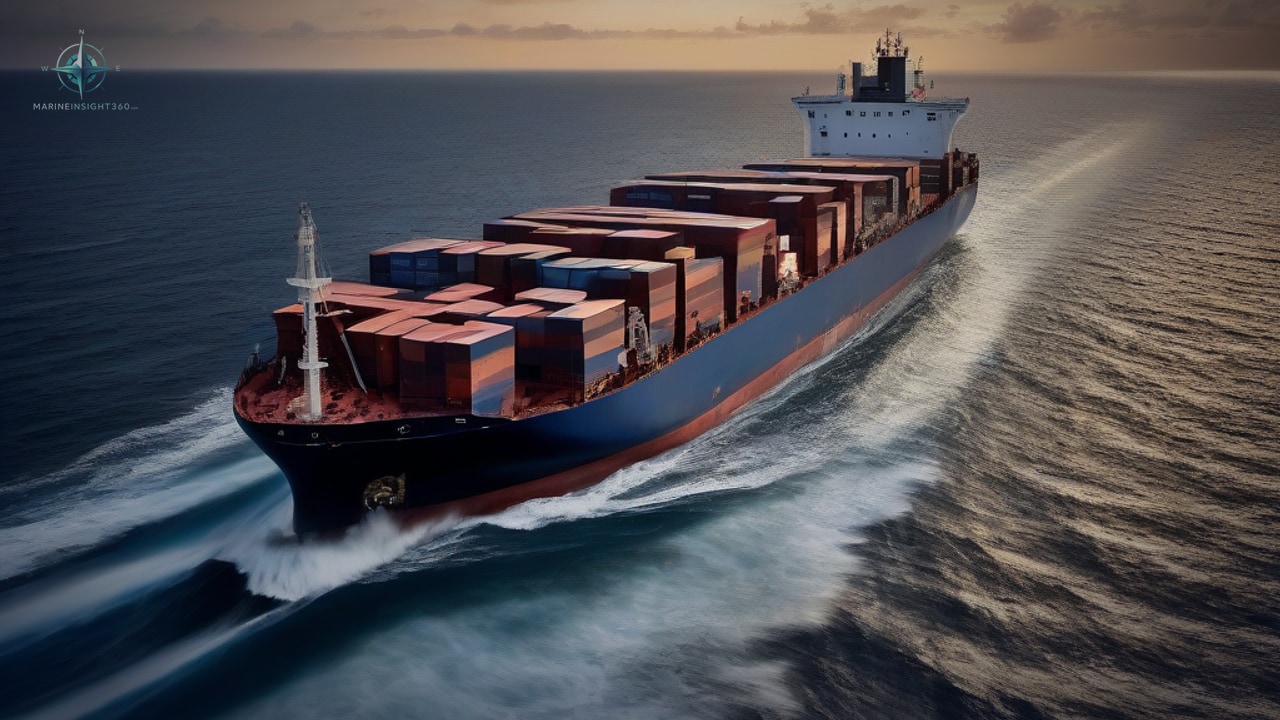
How are boats classified into different types?
Most boats are built for coastal waters or for inland waterways such as rivers and lakes, although some are designed for the open sea.
The main difference between a boat and a ship is that a boat is smaller and carries less.
There is no fixed size at which a boat becomes a ship, and the line depends partly on what the vessel is used for. A few rules of thumb help.
One traditional definition is that a boat is a vessel small enough to be carried on board a ship, such as a lifeboat or a tender, while a ship is too big to be carried by anything else. Some ships are over 1,000 feet long.
Boats are also usually meant for sheltered or near-shore waters, while ships are built for ocean passages.
The rules have exceptions. The old saying is that "a ship can carry a boat, but a boat can't carry a ship," yet submarines, even large US Navy ones, are traditionally called "boats".
People have used boats since prehistoric times. They have developed from the dugout canoe, the oldest known type, to today's luxury motor yachts.
Besides leisure, boats still matter in commercial work, carrying passengers and cargo over short distances, fishing, and serving ships and harbours.
Types of Boats
There are far too many types of boat to list them all, but they can be grouped by how they are powered:
- Human-powered boats (such as rowing boats, canoes, gondolas and kayaks)
- Sailboats (powered by sails)
- Powered boats (with engines)
These are the main types of boat in use around the world, mostly from the powered and leisure categories.
1. Fishing Boats
Fishing boats come in all sizes and are built for fishing in salt water or fresh water. They need to be stable, strong and durable to cope with the different waters they fish.
Small fishing boats can be fished by one person or a few. A typical multipurpose leisure fishing boat has a casting deck at the bow, rod lockers, a trolling motor, an outboard engine and a live well to keep bait or catch alive.
Boats used for sea fishing are larger and sturdier than those used on lakes and rivers, to cope with salt water and rougher conditions.
Aluminium fishing boats are light and very durable. A bass boat, a low, narrow and fast boat used for freshwater fishing, usually carries two or three anglers.
2. Dinghy Boats
A dinghy is a small boat, often inflatable and made of rubber or PVC, with thwarts (cross seats) and oars.
Dinghies can be rowed, sailed or fitted with a small outboard motor, and rigid, inflatable and sailing dinghies are all common.
They are often carried by larger boats as tenders, used to get ashore or to reach places the bigger boat cannot enter. They are also popular for camping and shallow-water fishing trips.
3. Deck Boats
As the name suggests, deck boats have a large open deck with plenty of seating for a group.
They have a V-shaped hull and a wide beam that carries the width forward, so they hold more people than a bowrider of the same length and give a rougher-water ride than a pontoon boat. They are usually around 20 to 30 feet long, powered by an outboard or sterndrive at the stern, and used for swimming, water sports and family days out.
4. Bowrider Boats
Bowridersare popular family boats. They have an open seating area in the bow, in front of the windscreen, as well as the main cockpit, and larger ones carry eight or more people.
Most have a swim platform at the stern for swimming, boarding and setting up for wakeboarding or water-skiing.
Bowriders have a classic V-shaped bottom that gives a good ride in most conditions. Sterndrives have long been the usual propulsion, but outboard engines are quickly becoming more popular.
5. Catamaran Boats
A catamaran is a multihull with two parallel hulls of equal size. Each hull is slim and has a shallow draft, and the wide beam between them gives a catamaran more initial stability and deck space than a monohull of similar length.
Catamarans are used for fishing, leisure sailing, ferries and many other jobs around the world.
6. Cuddy Cabin Boats
Cuddy cabin boats are family-friendly boats used for fishing, day cruising and water sports.
The bow has a small enclosed cabin under the foredeck, useful for storage, shelter or a short rest. Most are built of fibreglass, some of aluminium, and they are generally small enough to trailer.
7. Center Console Boats
A center console boat has an open hull with the helm station in a console in the middle of the boat, which leaves room to walk all the way around it. That makes it an excellent fishing platform.
They are ideal for offshore sport fishing. Typical equipment includes bait wells, rod holders, fish boxes and outriggers, and the fish boxes are often insulated to keep the catch cold.
8. House Boats
Houseboats come in many shapes and sizes around the world. They are used as homes on the water and for holidays.
A typical houseboat has spacious living areas, a kitchen, bedrooms and entertainment facilities.
People use them for relaxed cruising on rivers, lakes and canals, swimming and family holidays. Most houseboats have engines, but some are permanently moored and cannot move under their own power.
9. Trawler Boats
Trawler-style leisure boats, named after the fishing trawlers they resemble, have displacement hulls and economical diesel engines. They move through the water slowly but use little fuel.
That, and their comfortable accommodation, makes them a good choice for long-distance cruising.
10. Cabin Cruiser Ships
Cabin cruisers have most of the basics of a home and suit relaxed cruising. They have a galley, berths and often heating, air conditioning and a generator.
Most have a deep V-hull and are driven by sterndrives or inboard engines with rudders, and they are used on coastal waters and large lakes.
11. Game Boats
Game fishing boats are large fibreglass boats with diesel or petrol engines, built to chase pelagic fish such as tuna and marlin far offshore.
With bunks, plumbing and a galley, they can stay out for several days.
12. Motor Yacht Boats
Motor yachts are powered yachts used mainly for leisure. They range from small family boats with one or two diesel engines to superyachts over 100 metres long, and the engines and fuel capacity depend on whether the yacht is meant for inland waters or ocean passages.
Yachts let a family spend days or weeks on the water in comfort. There are many kinds on the market, including day boats, weekend cruisers, long-range cruising yachts and luxury yachts, for different uses and budgets.
13. Personal Watercraft (PWC)
Personal watercraft, often called jet skis after one well-known brand, are small, fast craft designed for fun. They let people explore at their own pace and are also used for towing water-skiers, fishing and rescue work. There are two main types: sit-down models, which carry one to three people, and stand-up models, which carry only the rider.
14. Runabout Boats
Runabouts are small open powerboats that carry four to eight people and are used for fishing, water-skiing, cruising and sometimes racing. They are steered with a wheel and throttle at a console behind the windscreen. Small runabouts are often recommended as first boats for occasional water sports.
15. Jetboats
Jetboats are driven by a jet of water pumped out of the stern instead of a propeller, which makes them very manoeuvrable and able to run in shallow water. Leisure jetboats look much like bowriders or runabouts, with several seating areas and a swim platform. The pump is enclosed inside the hull, so there is no exposed propeller to damage or to injure swimmers.
16. Wakeboard/Ski Boat
Ski boats and wakeboard boats look alike but are built for different jobs. A ski boat has a flatter hull and a direct-drive inboard engine mounted in the middle, giving strong acceleration and a small, flat wake for water-skiers. A wakeboard boat usually has a V-drive with the engine at the stern, a deeper hull and ballast tanks to sit low at the back and make a big wake for wakeboarders.
17. Banana Boat
A banana boat is an inflatable ride towed behind a powerboat for fun. As the name suggests, it is shaped like a banana and has no engine of its own. It carries three to ten riders sitting astride. The same name is used, quite separately, for refrigerated cargo ships that carry bananas.
18. Lifeboat
A lifeboat is a survival craft carried on board a larger vessel, such as a cruise ship or cargo ship, for abandoning ship in an emergency. Lifeboats are equipped with food, water, first aid and signalling equipment so that survivors can wait for rescue. (Coastal rescue services also operate shore-based lifeboats, which are rescue boats that go out to help others.)
19. Pontoon Boat
Pontoon boats are used mostly on lakes, rivers and other sheltered waters. They have a flat deck mounted on two or three floats (pontoons), usually aluminium tubes, which give a shallow draft and very good stability. Most are 15 to 30 feet long.
They are used for cruising, fishing and entertaining, and the flat deck lets builders arrange seating and other facilities however they like.
20. Sedan Bridge Boat
Sedan bridge boats are usually 35 to 65 feet long. They have an enclosed saloon on the main deck and a flybridge above it, with an upper helm and seating that give a good view, and cabins below for longer trips.
What do you need to know before buying a boat?
When choosing a boat, think about what you will use it for, how much time you will spend on the water and how many people will usually be on board.
You would not take a small runabout across the Atlantic, and a large cabin cruiser is the wrong boat for towing water-skiers. Every type is designed for a particular use. Any boat driven by an engine is a powered vessel in law, whatever its size.
A PWC is a vessel too, and in most places it is subject to the same rules as other powerboats of similar size and power. Many states also have extra regulations regarding personal watercraft, such as minimum ages and hours of use.
Once you have decided what type of boat you want, check whether you need a boating licence or safety certificate in your state, province or country, and take the course if you do.
Recommended Reading
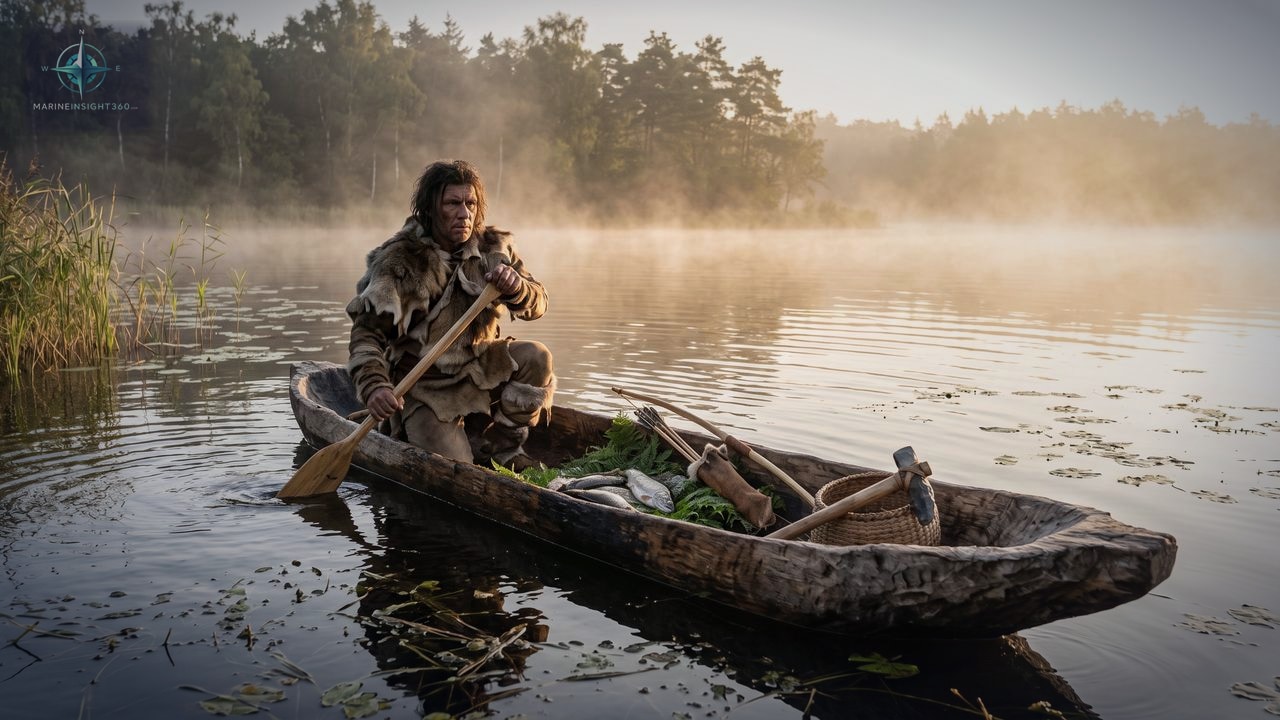
First Boats Invented
Discover the oldest known boat, the Pesse canoe, its age, and why boat invention was a gradual evolution rather than a single inventor.
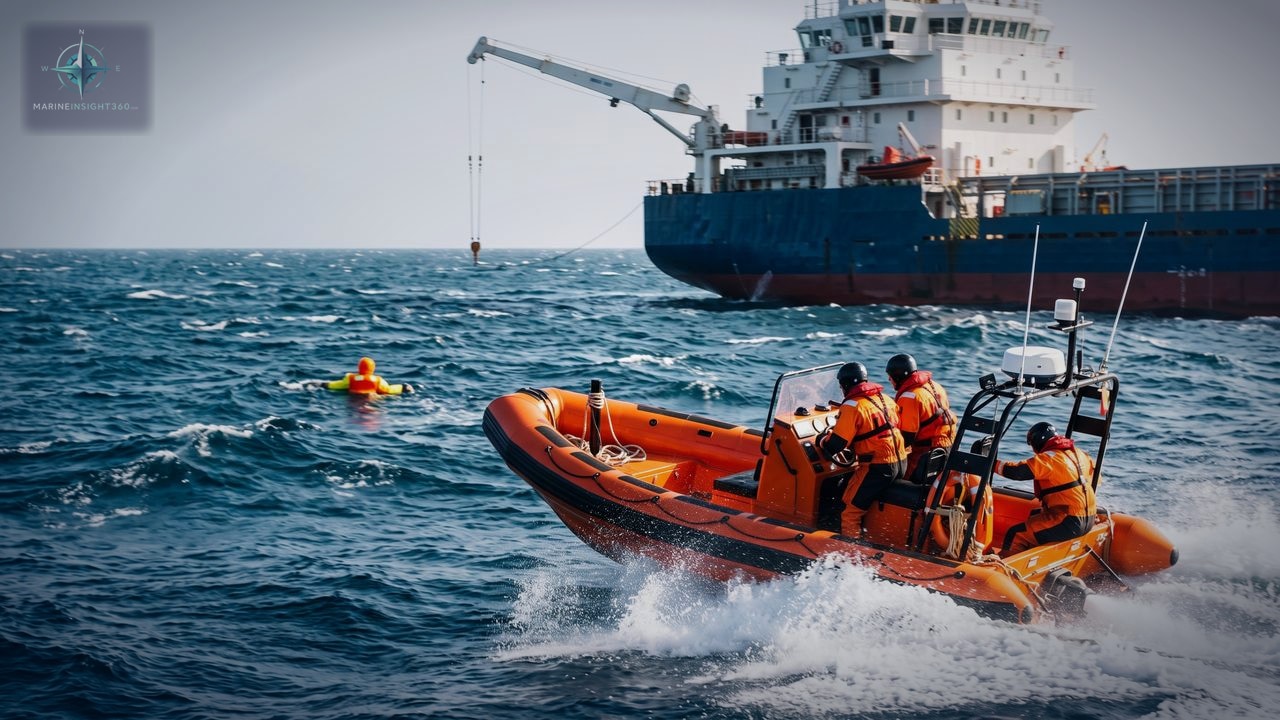
What Are Fast Rescue Boats (FRBs)?
In maritime emergencies, speed can mean the difference between life and death.
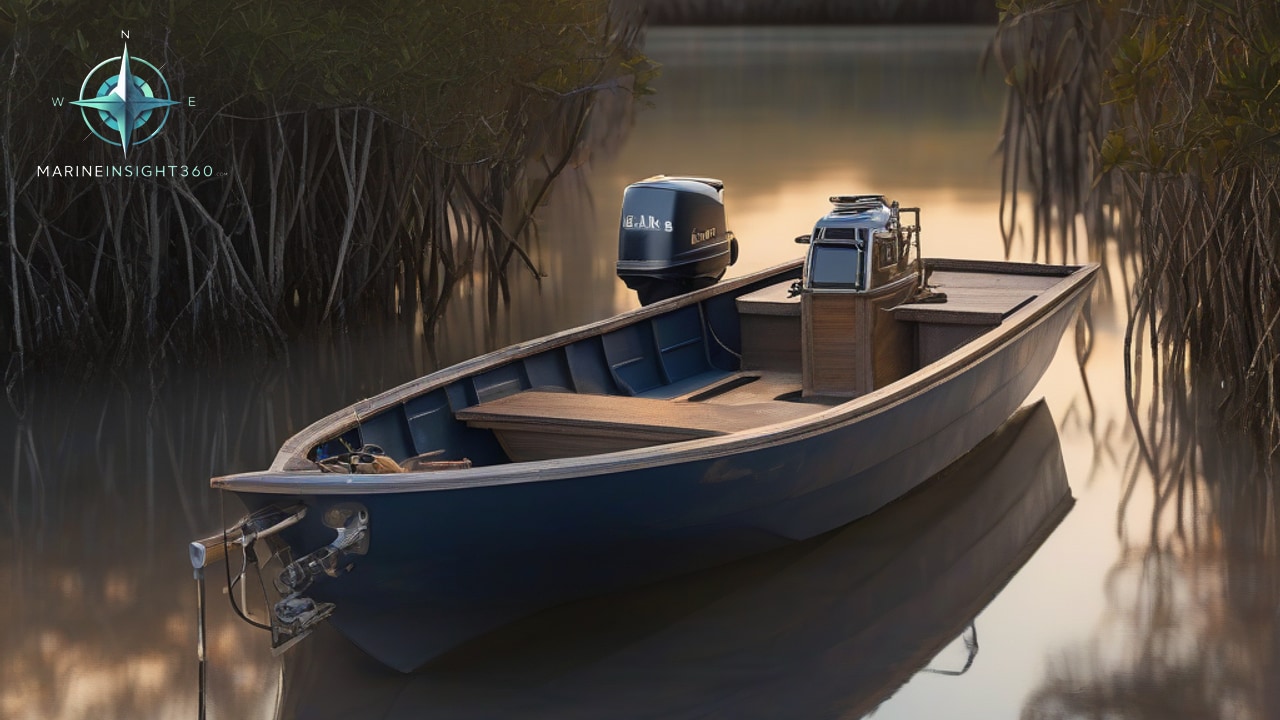
What are Microskiff Boats?
Microskiff boats are small, lightweight, shallow-draft craft under 4.5 meters long, with a flat bottom and a sharp upturned bow, built for fishing and light work in calm shallow water.