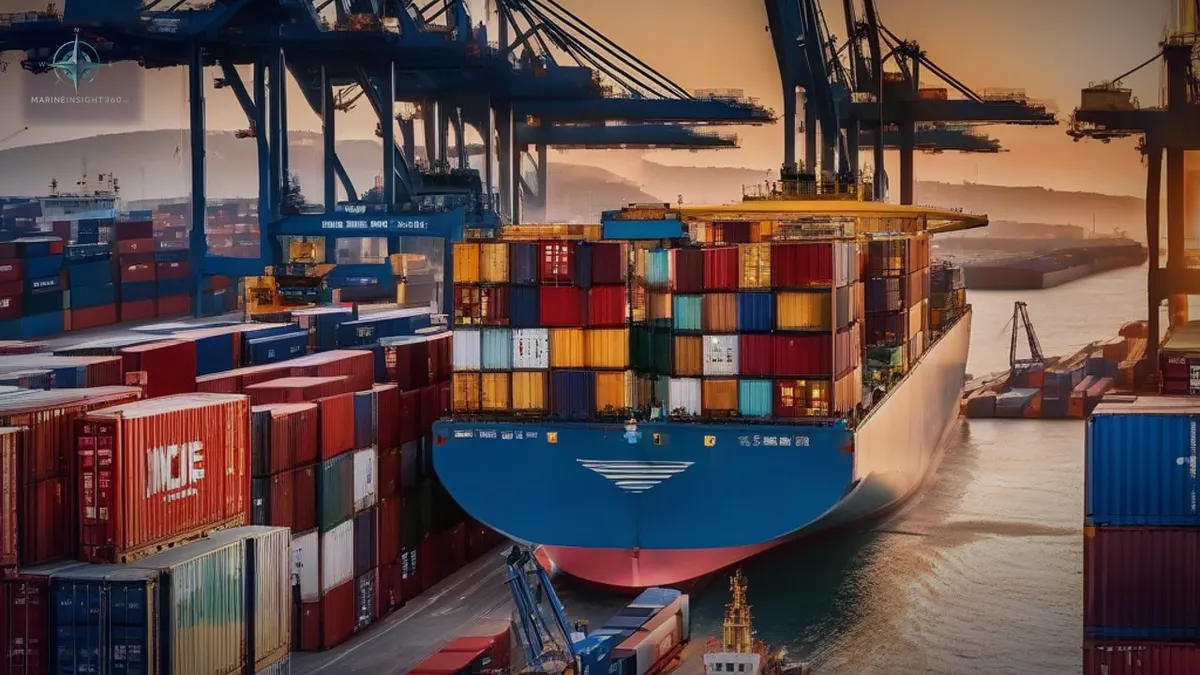
Container peak season arrives early as freight rates skyrocket
This surge in demand has led to increased freight rates, with many carriers taking advantage of the situation to maximize profits.
Container peak season arrives early.
Key facts about Container peak season arrives early as freight rates skyrocket
Container shipping lines are experiencing an early peak season as freight rates skyrocket due to high demand. This surge in demand has led to increased freight rates, with many carriers taking advantage of the situation to maximize profits. The early peak season is a result of a combination of factors, including a strong economic recovery from the pandemic and ongoing supply chain disruptions.
The freight rate increases are being felt across all major trade routes, including the transpacific and Asia-Europe routes. Carriers are responding to the high demand by deploying extra loaders and adjusting their schedules to meet the needs of shippers. The increased demand is also leading to a shortage of available container capacity, which is driving up rates even higher. This situation is a challenge for shippers, who are facing higher costs and reduced reliability.
The International Maritime Organization (IMO) and other regulatory bodies have implemented various measures to improve the efficiency and safety of container shipping, including the SOLAS container weight verification requirement. However, these measures have not directly addressed the issue of freight rate volatility, which remains a major concern for the industry. As the peak season continues, carriers and shippers will need to work together to manage capacity and demand, and find ways to mitigate the impact of high freight rates on global trade.
This matters to the industry because high freight rates and reduced reliability can have a major impact on the profitability of shipping lines and the competitiveness of international trade.
From here
Where this shipping story matters to you, the next step is to check it against official sources, pass it to whoever owns the decision, and adjust plans only where it genuinely applies.
Why this matters
Container peak season arrives early as freight rates skyrocket rarely stays in one lane. A shipping development like this can reach vessel operators, charterers, insurers, port teams, seafarers and regulators at the same time.
The useful read is the signal under the headline: what actually changes, what still needs confirming, and where it touches safety, compliance, trade or fleet planning.
What it changes day to day
Shipping developments feed straight into voyage planning, compliance costs and commercial decisions. Ship managers may revisit risk assessments, commercial teams may reprice, and crews may need fresh instructions before the next call.
Confirm the detail against primary sources first, official notices, company updates, port and flag guidance, rather than acting on the headline.
Signals to follow
- Confirmation, or correction, from primary sources in the coming days.
- Movement in insurance clauses, schedules or commercial terms.
- Whether other routes, ports or fleets become exposed.
- Guidance from owners, managers or authorities that turns news into action.
Why it matters
The value in this shipping development is rarely the headline — it is the second question. Does it change a decision you were about to make about safety, budget, routing or hiring? If not, note it and move on; if so, trace it back to the source before you act.