DHL Set to Transport Goods on New Wind-Powered Cargo Ships
DHL has announced plans to transport goods on new wind-powered cargo ships.
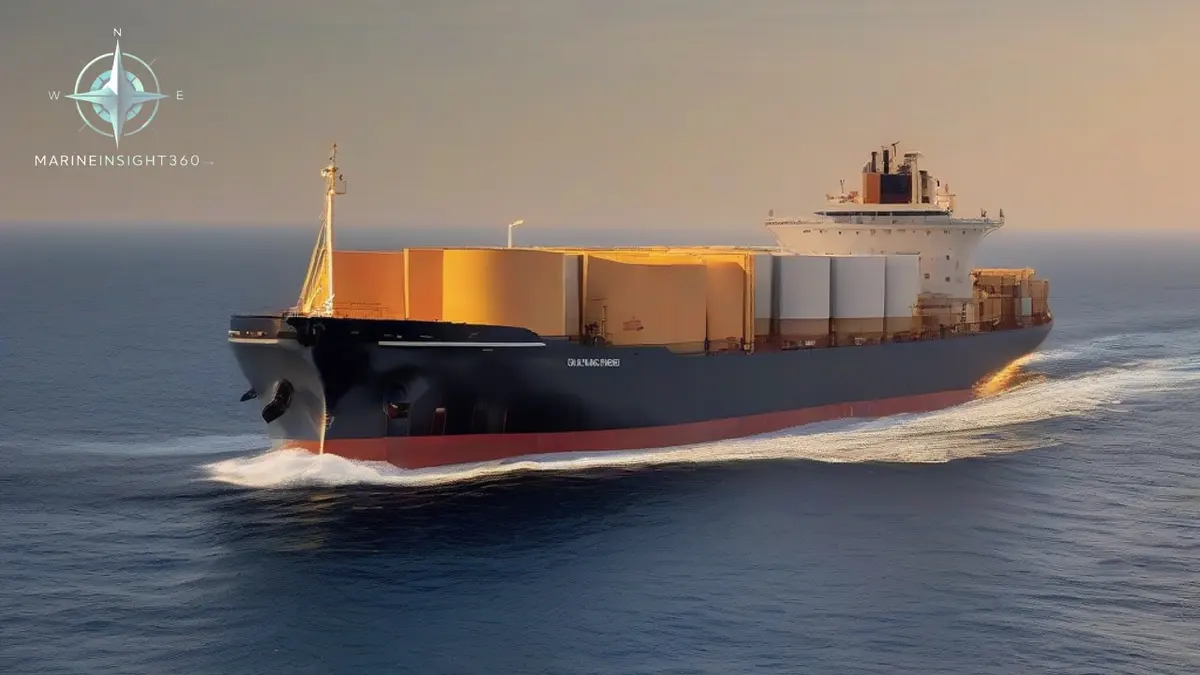
DHL to use wind-powered cargo ships.
DHL has announced plans to transport goods on new wind-powered cargo ships. This move is part of the company's efforts to reduce its carbon footprint. The shipping industry is a major contributor to greenhouse gas emissions, and companies are under pressure to find ways to reduce their environmental impact.
The use of wind-powered cargo ships is a step in the right direction. The International Maritime Organization has set targets to reduce emissions from shipping, and companies are exploring alternative fuels and technologies to meet these targets. Wind-powered ships could be a viable option for certain routes, particularly those with consistent wind patterns.
The new ships will be designed to use wind as a primary source of power, with traditional fuels used as a backup. This will allow them to reduce their emissions and operating costs. DHL will be working with a shipbuilder to design and build the new vessels, which will be used on select routes.
The use of wind-powered cargo ships will also help DHL to comply with upcoming regulations, such as the International Maritime Organization's carbon intensity indicator. This regulation will require ships to reduce their emissions per ton of cargo transported. By using wind power, DHL will be able to reduce its emissions and stay ahead of the regulatory curve.
This development matters to the industry because it shows that major shipping companies are committed to reducing their environmental impact and are willing to invest in new technologies to achieve this goal.
What it means for the major markets
For operators and jobseekers in the US, UK, Europe, Singapore, Canada and Australia, the relevance of this shipping story is in the detail behind the headline, what it changes for the trades and rules that market runs on.
What readers should watch
Decarbonization stories can influence fuel planning, compliance budgets, charterer expectations and fleet investment decisions. Readers should watch for official follow-up, company confirmation and any change in operational guidance before treating early details as final.
Why it's on our radar
Exclusive | DHL Set to Transport Goods on New Wind-Powered Cargo Ships earns coverage because its effects seldom stop at the headline; shipping news like this lands on operators, charterers, insurers and seafarers together.
For readers across the major maritime markets, the value is practical: what shifts, what to verify, and which decisions it touches.
The operational read
For operators, this shipping development can touch routing, cost, charter terms and onboard routines. The useful step is to map it to the teams it affects.
Treat the first report as a starting point and verify the specifics against official and company sources.
Keep an eye on
- Whether authorities or companies publish concrete follow-up.
- Any repricing of insurance, freight or compliance cost.
- Spread from a local issue to wider trades and fleets.
- Evidence that confirms, or trims, the early reporting.