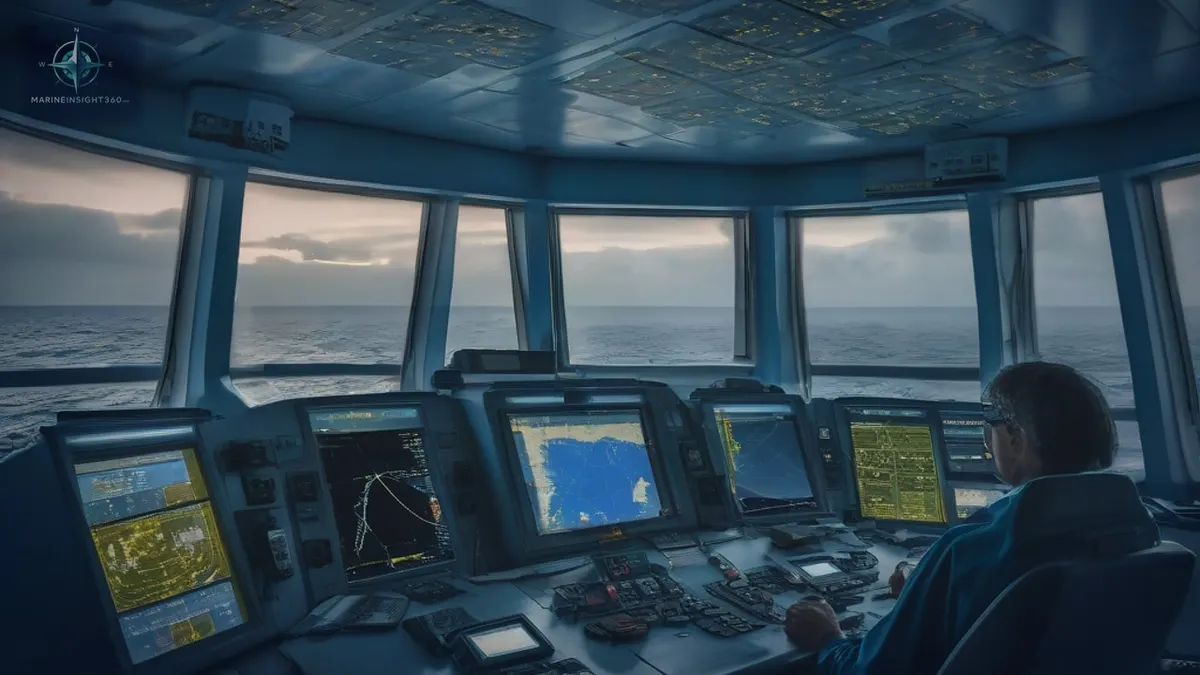
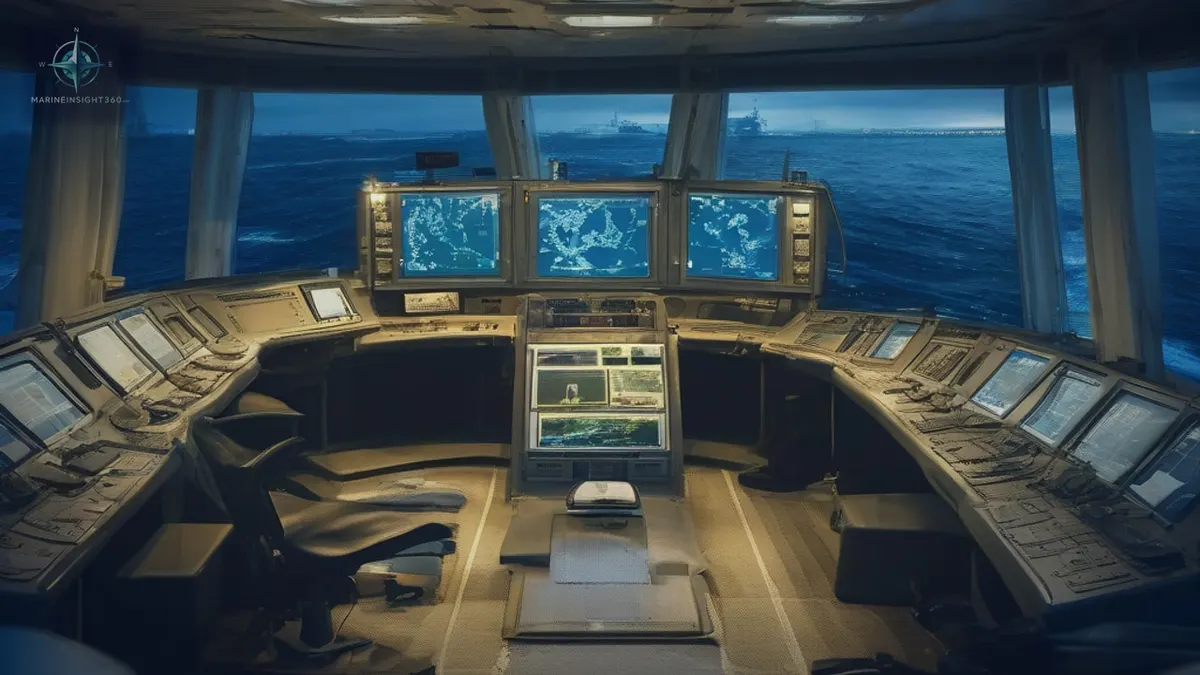
Global Cooperation Brings Breakthrough on First International Maritime Autonomous Surface Ships Code
Global cooperation has resulted in a breakthrough on the first international maritime autonomous surface ships code.
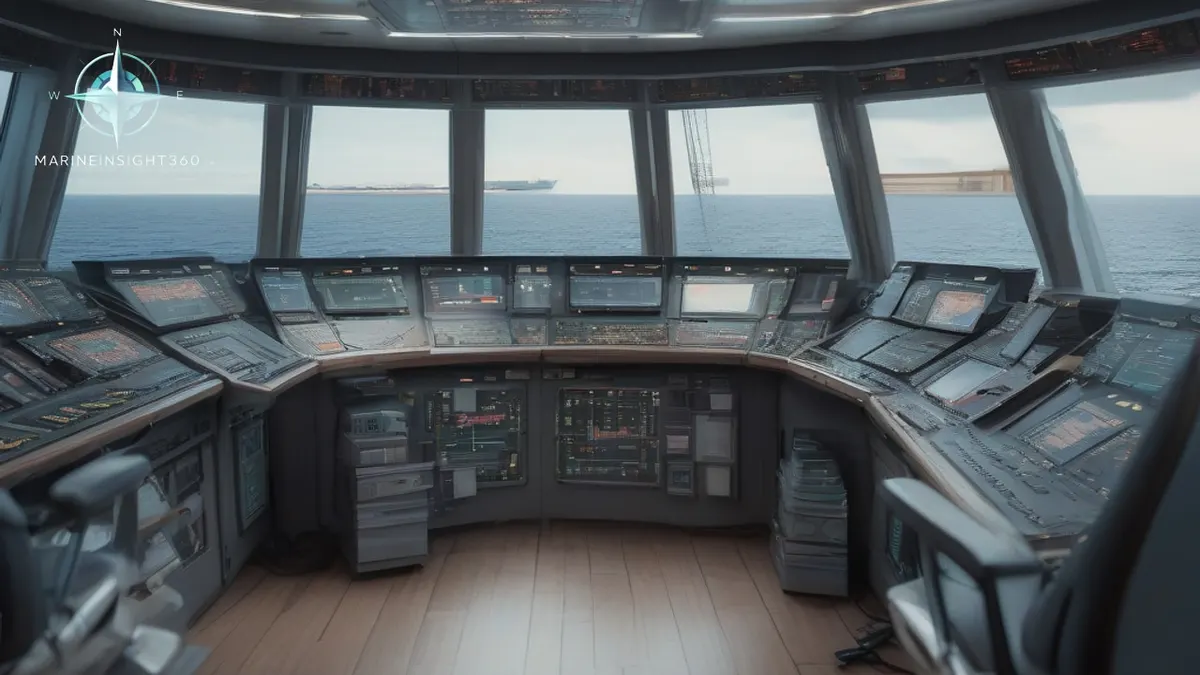
Global cooperation has resulted in a breakthrough on the first international maritime autonomous surface ships code. This code is expected to provide a framework for the development and operation of autonomous ships. The code will cover various aspects of autonomous ship operation, including safety, security, and environmental protection.
Key facts about Global Cooperation Brings Breakthrough on First International...
The development of this code is a major step forward for the maritime industry, which is increasingly looking to autonomous technology to improve efficiency and reduce costs. Autonomous ships have the potential to transform the way goods are transported, particularly on short sea routes and inland waterways. The code will provide a set of standards for the design, construction, and operation of autonomous ships, which will help to ensure safety and consistency across the industry.
The International Maritime Organization (IMO) has been working with various stakeholders to develop the code, which will be based on existing international conventions such as the Safety of Life at Sea (SOLAS) convention. The code will also take into account the requirements of different types of ships, including cargo ships, passenger ships, and tankers. The development of autonomous ships is expected to have a major impact on the maritime industry, particularly in terms of job creation and training.
The code will provide a framework for the certification and approval of autonomous ships, which will help to ensure that they meet the required safety and security standards. This will be particularly important for ships operating on busy trade routes, such as the English Channel or the Malacca Strait. The code will also provide a set of standards for the training of personnel involved in the operation of autonomous ships.
This breakthrough matters to the industry because it will help to establish a set of global standards for the development and operation of autonomous ships.
For the leading markets
Professionals in the world's busiest maritime markets treat a technology development as a data point on trade exposure, port activity and commercial demand, useful only where it touches their own routes and rules.
The wider stakes
Why give this technology story attention? Because in shipping a single event ripples outward, to owners, cargo interests, insurers, ports and crews, faster than the first report suggests.
What matters is separating the confirmed facts from the knock-on effects on cost, routing, compliance and hiring.
How it plays out in practice
The practical footprint of a technology story reaches schedules, insurance clauses, crew briefings and procurement. Knowing which desk owns the response is half the work.
And because reporting evolves, weigh it against authoritative sources, regulators, class societies and port authorities, before it drives a decision.
What comes next
- Follow-up notices from port, flag or class bodies.
- Effects on chartering decisions, crewing demand or compliance workload.
- Whether the story escalates beyond its first market.
- New detail that firms up or scales back the initial account.